
Last updated November 14, 2026
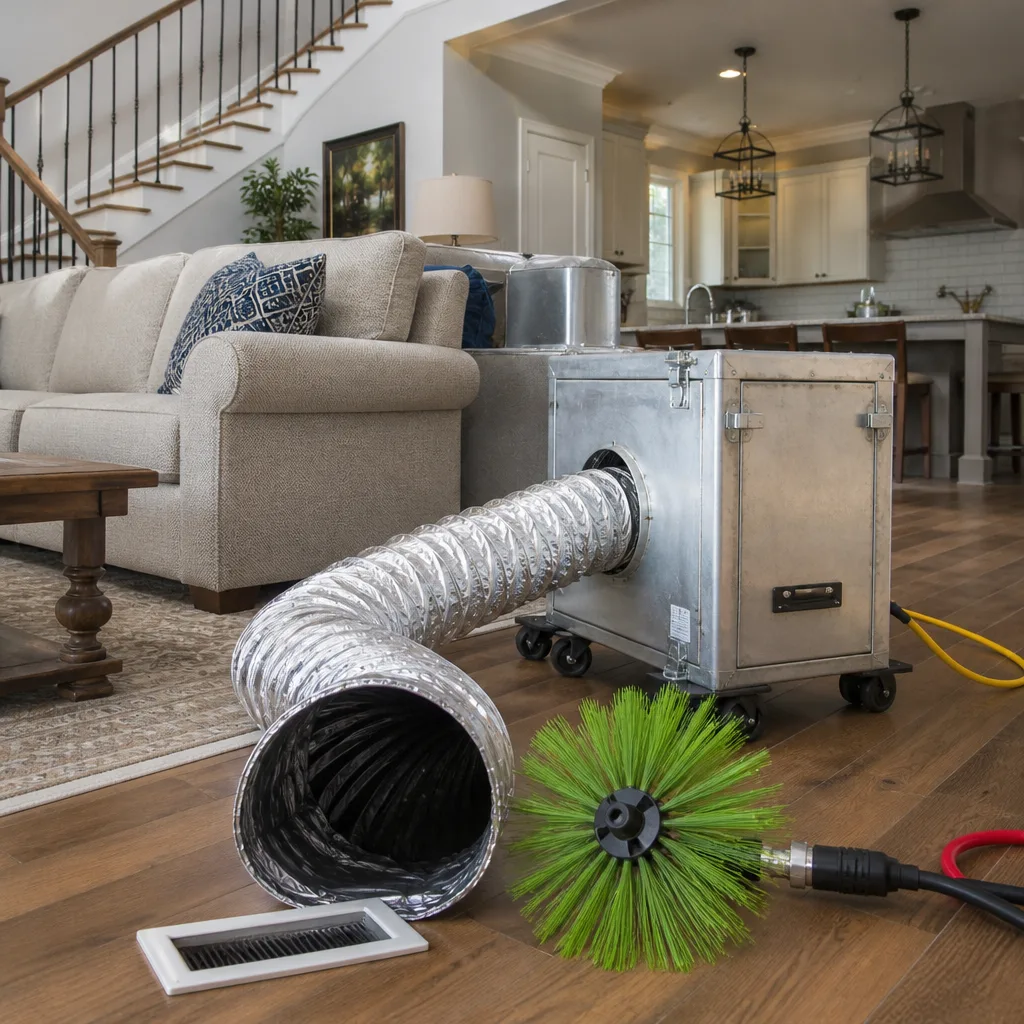 Whole-home duct cleaning
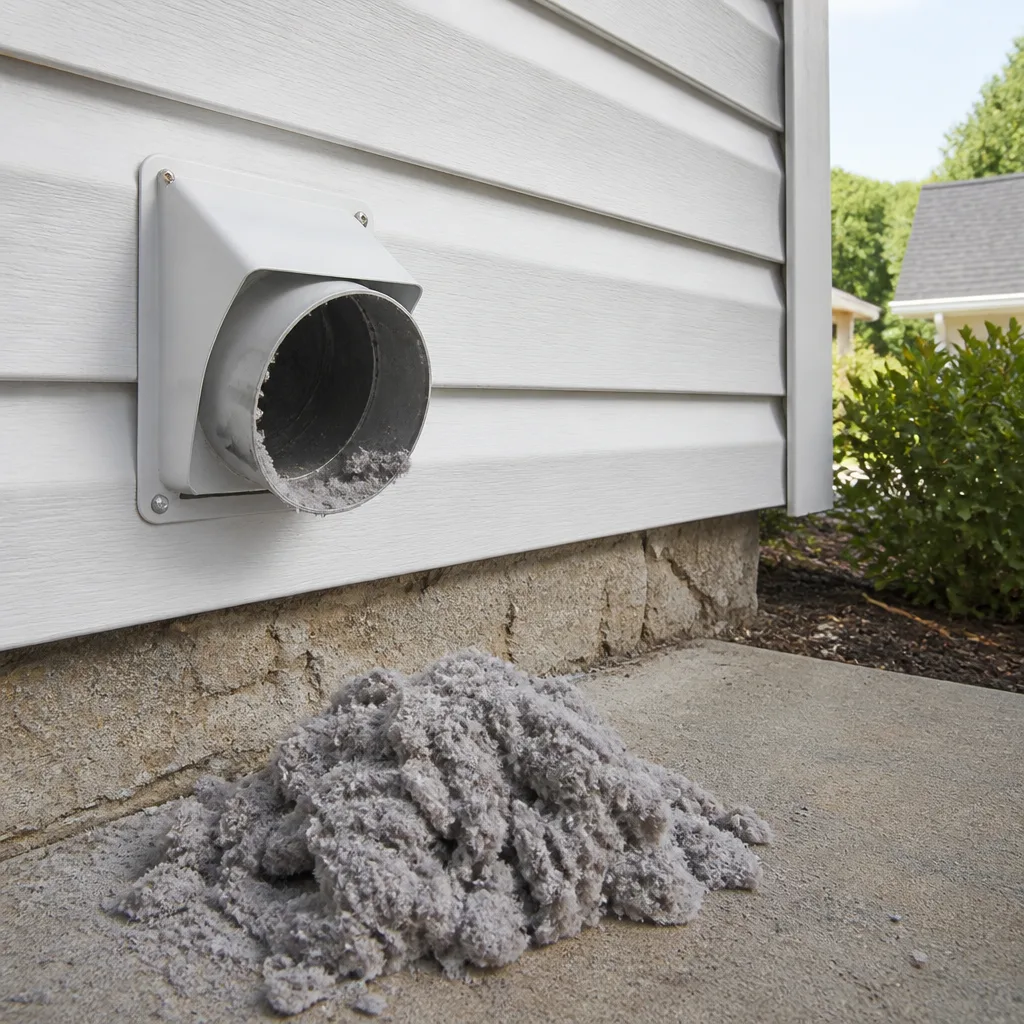 Dryer vent cleaning
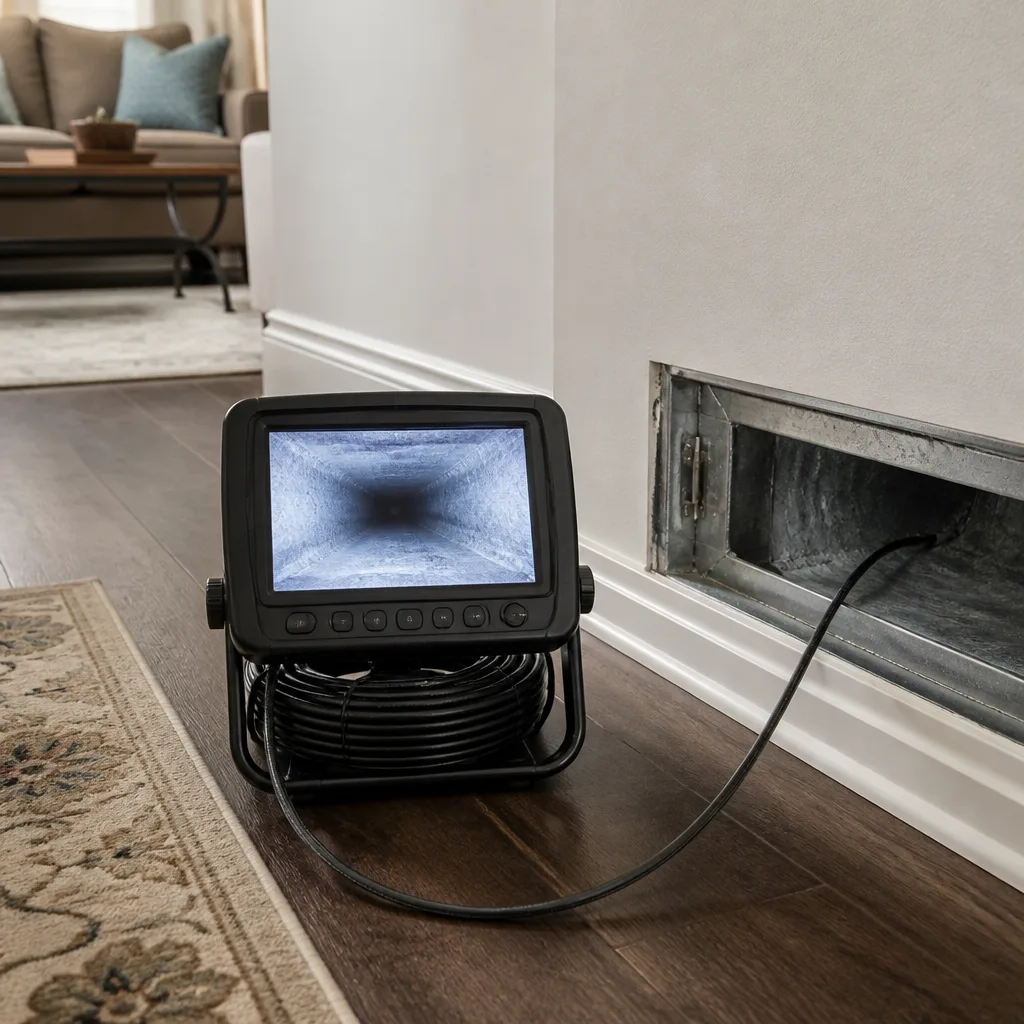 Camera inspection
 Sanitizing & deodorizing
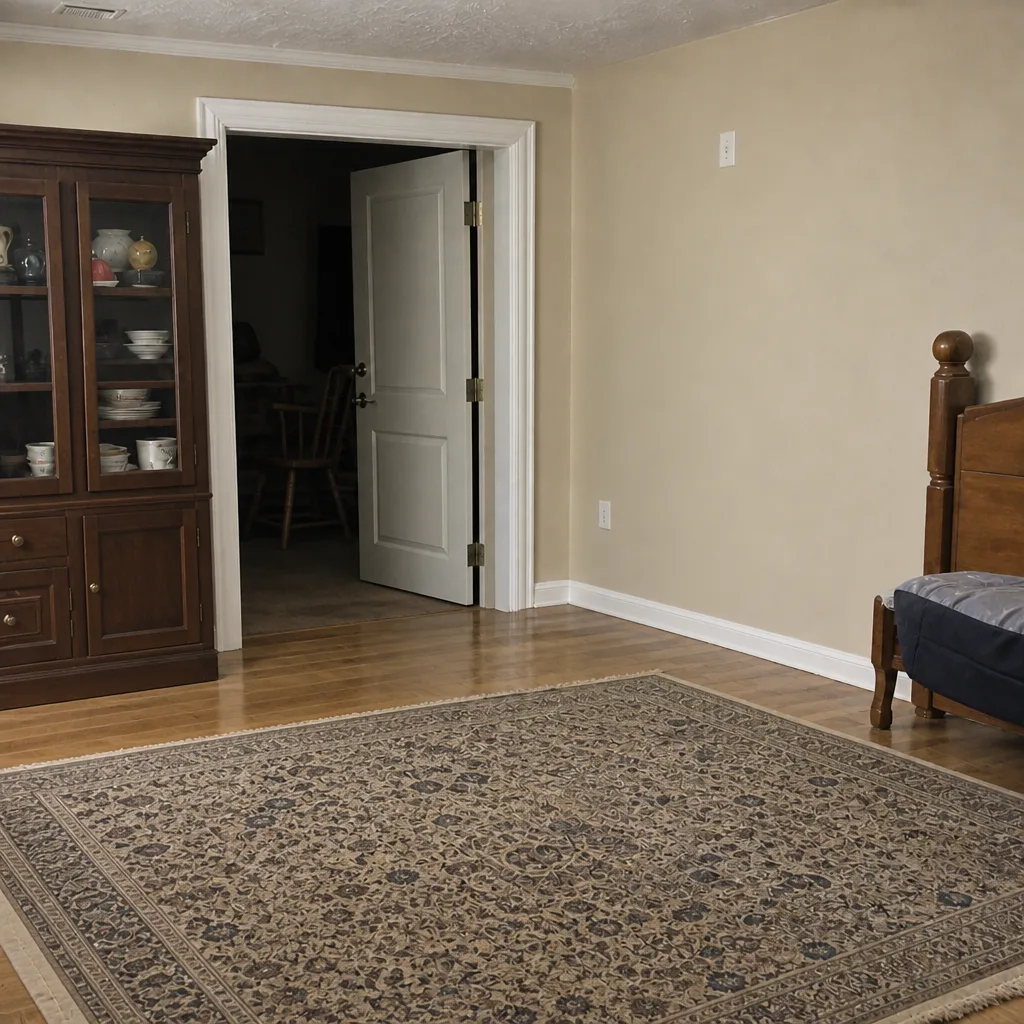
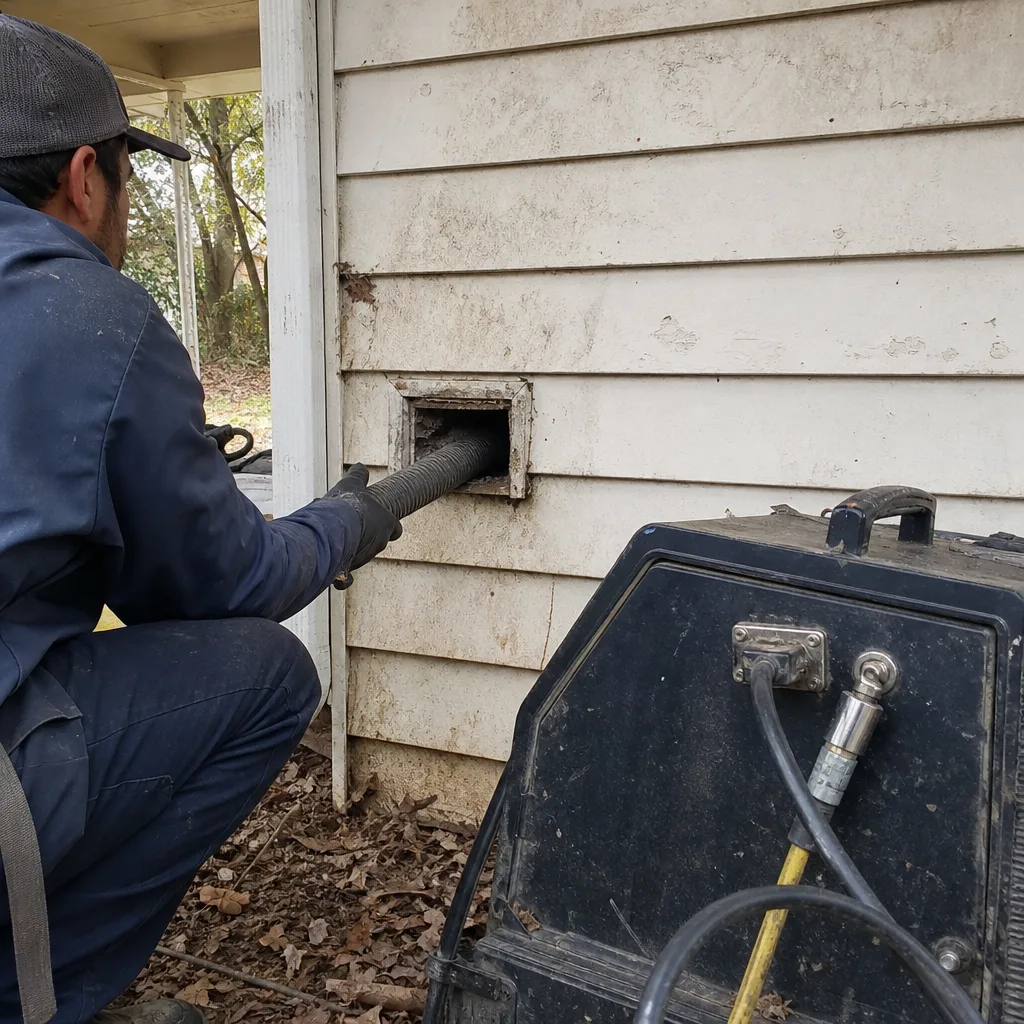
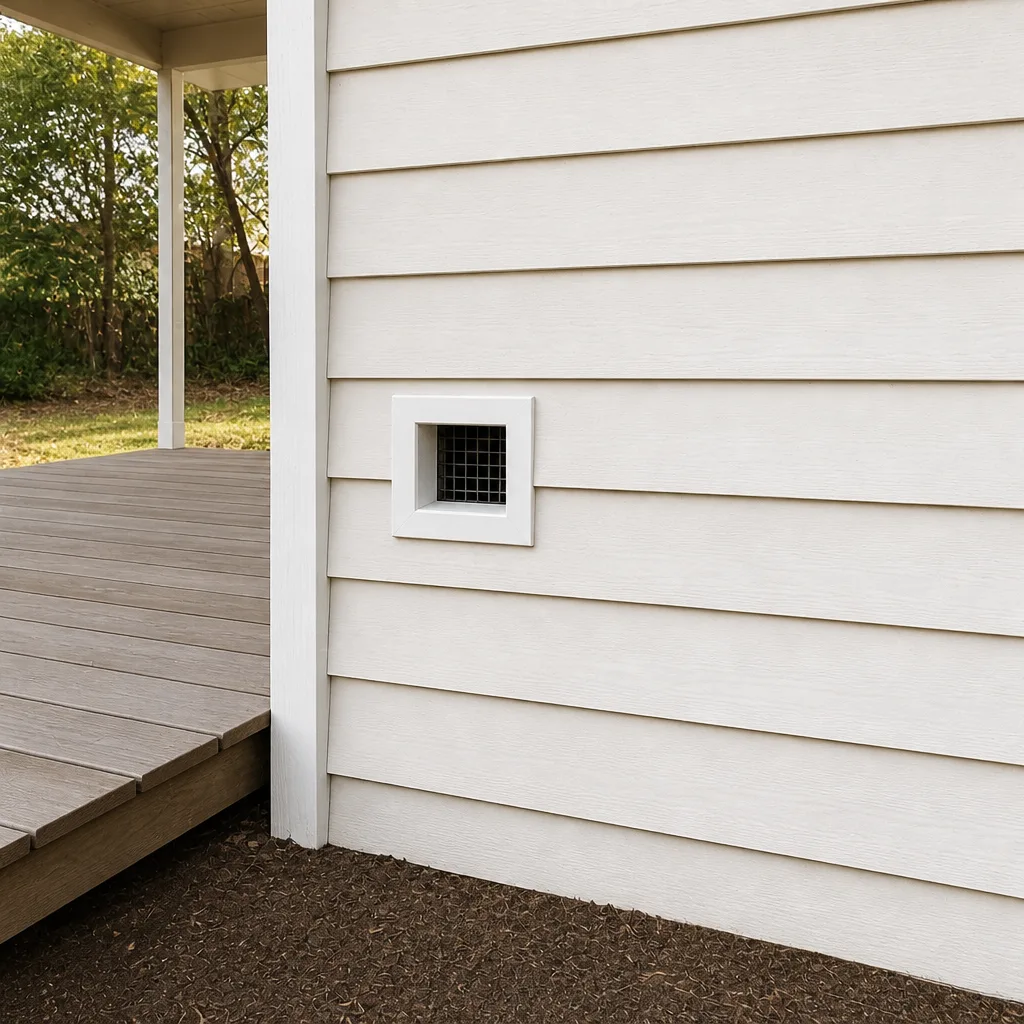
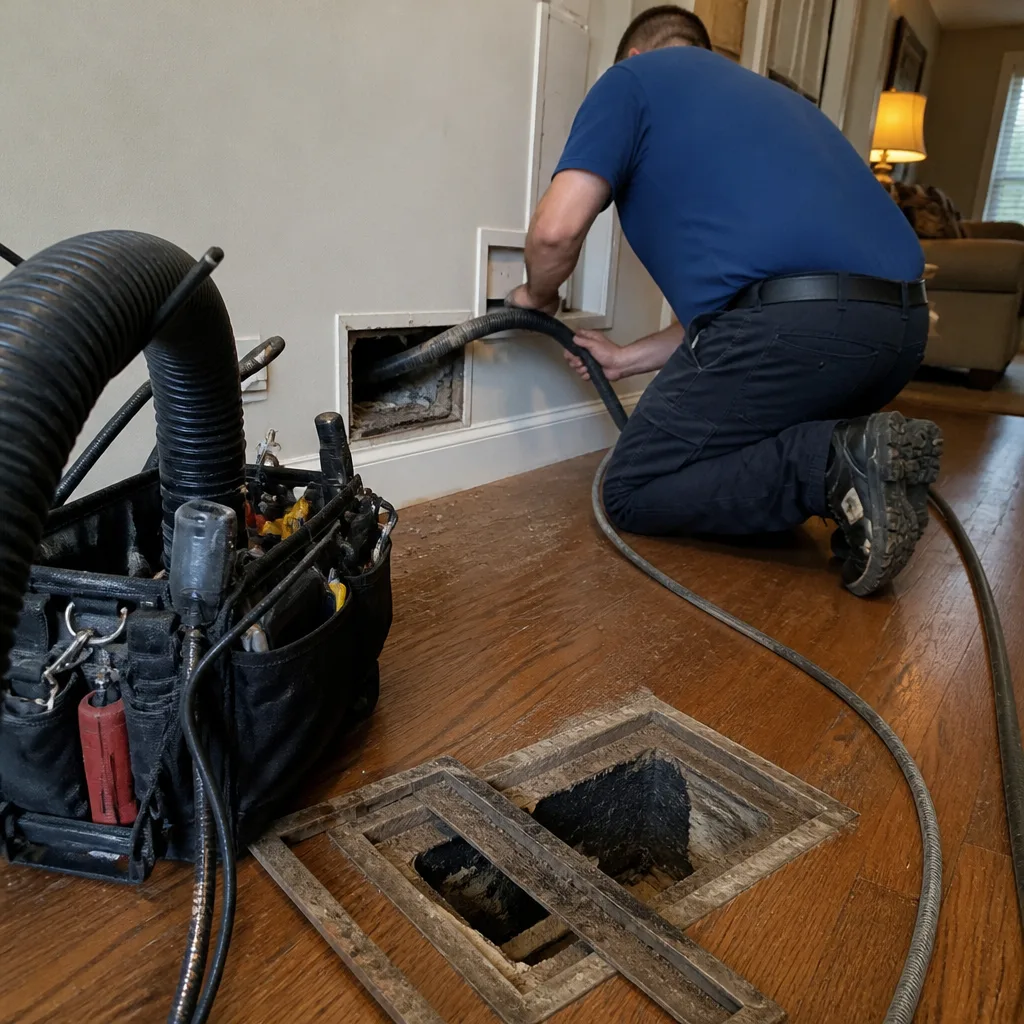
Whole-system duct and dryer vent check with before-and-after photos - you see exactly what came out of your vents
That "$99 whole-house special" is a bait ad - the real number appears once they are in your hallway, or the "clean" is a shop-vac at the register. We photograph the inside of your ducts before and after instead.
Air Duct Cleaning Maintenance Checklist for Charlotte Homeowners
Changing your filter on schedule is the one duct maintenance task most Charlotte homeowners actually do. It’s also the one that least predicts whether your ducts are clean, sealed, or structurally sound. A filter catches what reaches it. It says nothing about the dust that has settled on the duct floor, the flex connection that pulled apart behind a register, or the return grille buried under a decade of pet hair. What follows is the checklist a technician actually works from, built around Charlotte’s housing stock and its two rough seasons, so you can inspect your own system, log a baseline, and know when a real visit is worth the money. Charlotte homes face a specific mix of spring pollen and post-summer humidity, and that shapes what fails first.
Quick Answer
A homeowner’s duct maintenance checklist in Charlotte should cover four recurring inspections: supply registers and return grilles, flex duct connections at the boots and the air handler, the air handler cabinet itself, and the dryer vent run. Check the filter and log airflow, indoor humidity, and filter loading rate every month or two. Schedule a professional cleaning based on what you see and how the system behaves, not on a fixed calendar. Roughly every three to five years is a reasonable starting point for most homes, adjusted for pets, pollen, and recent renovation.
Styles & brands we work with
- Whole-home duct cleaning
- Dryer vent cleaning
- Camera inspection
- Sanitizing & deodorizing
Table of Contents
- The Four-Point Visual Inspection
- Charlotte’s Seasonal Timing Benchmarks
- How to Log Your Baseline Readings
- Dryer Vent Inspection: The Non-Optional Item
- What to Document Before You Call
- What Professional Equipment Should Actually Do
- Common Mistakes to Avoid
- When to Call a Professional
The Four-Point Visual Inspection
Four inspection points catch the vast majority of problems before they turn into remediation work. A technician walks the system in a set order every time, because a failure at one point tends to cause visible symptoms at the next. You can do the same walk with a flashlight and a screwdriver.
1. Supply registers. Remove a few grilles and look up into the boot. Streaked dust along one side of the duct means air is escaping at a joint rather than reaching the room. Uneven dust patterns across registers on the same zone point to a duct that’s disconnected or crushed somewhere downstream.
2. Return grilles. Returns pull in more dust than supplies, so this is where loading shows first. Look for a mat of hair and lint pressed against the grille face, and for dark staining on the ceiling around the grille edge, which suggests air leaking around the frame instead of through it.
3. Flex duct connections. Many Charlotte homes built in the last thirty years use flex duct in the attic and crawlspace. The inner liner separates from the boot collar more often than homeowners expect, usually where the duct bends sharply. Feel around each connection with the system running. A soft stream of air at the collar is a leak. A duct that sags between hangers is pinched and delivering less than it should.
4. The air handler cabinet. Open the access panel with the system off. Look for dust build-up on the blower wheel, standing moisture in the drain pan, and a filter that has bowed out of its frame. A blower wheel caked in dust moves less air, which raises your runtime and your power bill.
Charlotte’s red clay soil also matters here. Foundation movement is common, and in a crawlspace system it can pull duct supports loose or crack a plenum seam. If you notice a new whistle or a room that suddenly heats unevenly, check the crawlspace run first.
Charlotte’s Seasonal Timing Benchmarks
Generic duct advice says “clean quarterly.” That’s not how a Charlotte system actually behaves. The climate here gives you two shoulder seasons that do most of the damage, and the right timing follows those, not the calendar quarter.
Late February through April: the pollen surge. Charlotte’s tree pollen season is heavy and arrives fast. Pollen gets pulled into the return side and settles on duct surfaces. This is the season to check filters every three to four weeks rather than monthly, and to inspect return grilles for loading. If you have allergies, this is the window where a cleaning does the most good.
May through September: the humidity stretch. Long cooling runs mean the coil and drain pan stay wet for months. That’s the environment where a slightly dirty air handler starts to smell musty. Watch the drain pan for standing water and check for condensation on ductwork in the crawlspace or attic. Any duct that sweats in summer needs its insulation looked at.
October and November: the changeover. The system goes from cooling to heating, and the first heat cycle of fall is when you’ll notice a smell or a weak register most clearly. This is the best time for a full visual walk of the four points, because the system has just changed modes and any leak or separation shows up in the airflow pattern.
December through February: low-demand inspection. Heating season is shorter and drier here than the summer cooling run. Use it for the dryer vent check and for logging your baseline numbers so you have clean data going into spring. If your ductwork was disturbed by renovation work, this is also a good window to get the system cleaned before pollen season loads it again.
Two to three years between professional cleanings fits most Charlotte homes, with pets or allergy sufferers pulling that toward the shorter end and a low-pet, no-renovation home stretching toward five. If you want a baseline set by a trained eye, our team handles Stratford Air Duct Cleaning visits across the area and can tell you what your specific system needs.
How to Log Your Baseline Readings
You can’t detect slow degradation without a starting point. A five-minute measurement routine, logged in a notebook or a phone note, gives you something to compare against a year from now. Pick the same register each time and record the date.
- Airflow at a register. Hold a cheap handheld anemometer (or your hand, consistently) at your strongest supply register with the system running on high. Write down what you feel or read. A drop of a third six months later is a real signal.
- Filter loading rate. Note the date you install a new filter and the date it looks visibly loaded. That interval is your personal baseline. If it shortens noticeably, something upstream is shedding more dust than before.
- Indoor humidity. A $10 hygrometer in a central room tells you a lot during Charlotte’s cooling season. If indoor humidity creeps up with the same thermostat setting, the air handler or duct insulation deserves a look.
- Runtime and comfort. Note how long the system runs to reach setpoint on a hot afternoon, and whether any room stays two or three degrees off. Rising runtime with no weather explanation usually means restricted airflow.
- Sound and smell. A new whistle at a register, a rattle in the return, or a musty smell on startup all belong in the log with a date.
Between professional visits this log does two things. It tells you whether you’re looking at normal seasonal variation or a real change, and it gives a contractor a factual picture instead of “the air feels weird.”
Dryer Vent Inspection: The Non-Optional Item
Dryer vent cleaning directly addresses a leading cause of residential fires, which is why it belongs on every maintenance checklist rather than in a separate category you get to skip. Lint accumulates in the vent run, restricts airflow, and raises the operating temperature of the dryer. Charlotte’s newer townhome construction makes this more urgent, not less.
Many of these townhomes route the dryer vent in a long horizontal run through an interior wall to an outside wall, sometimes with several elbows. Every foot of horizontal run and every elbow gives lint somewhere to settle, and the run is often longer than what you’d find in an older single-family home with a short vertical vent to the roof. A long horizontal run with a clogged exterior hood is the setup to watch for.
Here’s what to check yourself:
- Look at the exterior hood while the dryer runs. There should be a strong, steady flap movement. A weak flutter or nothing at all means the run is restricted.
- Feel the vent duct behind the dryer after a cycle. It should be warm, not hot. A hot duct means the air isn’t moving.
- Check for lint visible at the outside termination. A mat of lint at the hood means the run needs clearing.
- Note laundry dry time. Clothes that suddenly take two cycles to dry is the clearest early symptom.
The safe cleaning work happens inside the vent run, not inside the dryer cabinet or at the heating element. Don’t pull the dryer apart to chase lint. A trained technician clears the full run with the right tools, and our dryer vent cleaning service covers the whole path from the dryer connection to the exterior termination. If you’re ever unsure whether the run is clear, stop using the dryer until it’s checked.
What to Document Before You Call
Homeowners who call with specifics get a better visit. A vague request gets a vague quote, and vague quotes are how people end up paying for work they can’t verify. Spend ten minutes pulling your notes together first.
Gather these before you pick up the phone:
- Age of the home and any recent renovation. Drywall dust and construction debris behave differently from house dust. Say so up front.
- Number of systems and where the air handlers sit. One unit in the attic and one in the crawlspace is a different job from a single closet unit, and it changes the scope and the estimate.
- Your baseline log. Airflow notes, filter intervals, humidity readings, and dates. Even rough numbers help.
- Specific symptoms with a location. “The hall return downstairs is caked” beats “my ducts are dirty.”
- Pets, allergies, or a family member with respiratory concerns. This changes how thorough the cleaning should be and which equipment matters.
- What you’ve already seen for yourself. A separated flex connection, an odd smell, a musty return – all of it.
One last item: ask for before-and-after photos of your own system. Photos taken inside your ducts, showing the same section before and after, are the only way to know the work actually happened. Any contractor who can’t or won’t provide them is asking you to take the visit on faith.
What Professional Equipment Should Actually Do
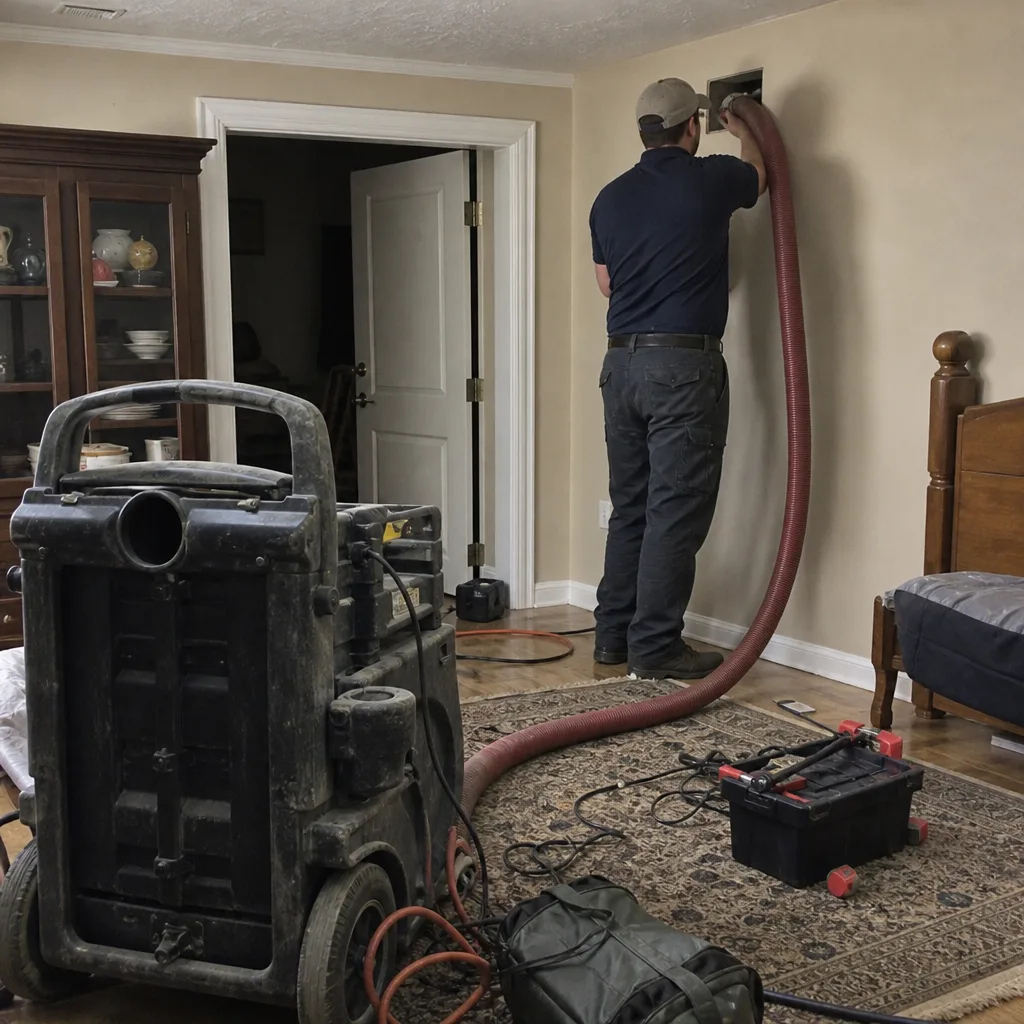
Not every “duct cleaning” is the same job, and the difference comes down to equipment. A truck-mounted blower and a hose makes dust airborne. Contact cleaning with Rotobrush uses a rotary brush and a HEPA-rated vacuum working together, so surfaces are scrubbed and the loosened material is captured rather than pushed into the room. Our technicians run a Rotobrush system on every job for exactly that reason. Nikro HEPA vacuum technology captures fine particulate that a standard shop vacuum releases back into the air, which matters in a home with an allergy sufferer.
Some jobs involve more than routine dust. Post-construction particulate, contamination, or compromised duct conditions call for equipment built for remediation work. That’s where Abatement Technologies equipment comes in. It’s the standard used in restoration and remediation settings, and having it on hand means a contaminated system gets handled properly rather than passed to a second contractor mid-job.
Cleaning is also not the end of the visit. Duct repair is in-house, so a separated flex connection or a cracked plenum seam gets fixed while the system is open. And when the cleaning reveals a filtration gap, our familiarity with Honeywell and Aprilaire whole-home air quality products lets a technician recommend an upgrade that fits the system you have instead of a generic add-on. Guardsman products are part of the finishing step, so surfaces and components are treated with care once extraction is complete. That’s the full picture of a duct-health visit: cleaning, repair, and filtration review together.
Charlotte has a lot of attic and crawlspace ductwork, and both environments are hard on flexible connections. A crew that inspects and repairs while they clean leaves you with a system that’s both clear and sealed. If you need air duct cleaning alongside a repair, one team handles both.
| Checklist Item | How Often | What You’re Looking For |
|---|---|---|
| Filter change and inspection | Every 3-4 weeks in pollen season, monthly after | Loading, bowing, gaps in the frame |
| Supply and return visual walk | Twice a year | Dust streaks, dark staining, heavy loading on returns |
| Flex connection check | Once a year and after any renovation | Separation at the boot, sagging runs, crushed bends |
| Air handler and drain pan | Once a year before cooling season | Dust on the blower, standing water, musty smell |
| Dryer vent inspection | Twice a year | Weak exterior flap, hot duct, extended dry time |
| Baseline log update | Monthly, briefly | Airflow, humidity, runtime, filter interval |
| Professional cleaning | Every 2-5 years depending on the home | Scope confirmed by inspection and photos |
Common Mistakes to Avoid
- Treating the filter as the whole job. A clean filter says nothing about the dust on your duct floor or a disconnected run in the attic. Inspection and cleaning are separate tasks from filter changes.
- Buying the cheapest quote without asking what it includes. A quote that covers a blower pass is not the same as contact cleaning with a rotary brush and HEPA extraction. Ask exactly what equipment comes into the house and what the price covers before you book.
- Skipping the dryer vent because the dryer still works. Reduced airflow shows up as longer dry times long before anything fails. Charlotte townhomes with long horizontal runs are especially easy to forget.
- Ignoring the crawlspace and attic runs. The parts of the system you can’t see are where separations happen. A room that never heats right is often a sagging duct, not a broken furnace.
- Cleaning without repairing what the cleaning exposes. Pulling a flex connection apart and leaving it that way leaks more air than before. The visit should leave the system sealed.
- Never keeping a baseline log. Without starting numbers, a slow decline looks like normal. Ten minutes of notes a month turns guesswork into a clear picture.
- Not asking for before-and-after photos. It’s the one record that confirms the work happened. Any reputable crew will provide pictures of your own system.
When to Call a Professional
Some checklists end with “call us if you have questions.” A better rule: call when you see something you can’t safely resolve. If you find a separated flex connection in an attic, standing water in an air handler, visible contamination, or a dryer vent you can’t confirm is clear, that’s professional territory. The same goes for a system that hasn’t been cleaned since you bought the home, or any ductwork disturbed by a renovation. If your baseline log shows a steady drop in airflow over a few months, a technician can find the cause faster than you can by feel.
Stratford Air Duct Cleaning offers free estimates in Charlotte. Our team covers Locust and the surrounding communities, and we bring the inspection, cleaning, and repair together in one visit. Call (833) 962-6967. We answer 24/7. Fast dispatch from 7am to 7pm, Sunday through Friday.
See the difference
 Before
 After
 Before
 After
 Before
 After
Frequently Asked Questions
Most Charlotte homes do well with a professional cleaning every two to five years. The shorter end fits households with pets, allergy sufferers, or recent renovation, and the longer end fits newer, low-pet homes with a well-sealed system. Pollen season and a long humid cooling run here load a system faster than a drier climate would, so a visual inspection once a year keeps the timing honest.
It’s worth it when it’s done as inspection plus contact cleaning plus repair, and it’s a gimmick when it’s a blower pass with no photos. Any cleaning that doesn’t find and fix separated connections or seal leaks leaves the underlying problem in place. We always ask for before-and-after photos of your own ducts. If a contractor can’t show you those, the visit didn’t deliver.
Pets, nearby construction, a leaky return, or a filter that’s undersized for the system will all load ducts faster. Charlotte’s heavy spring pollen also settles more in homes that leave windows open during the surge. It’s less about the house and more about what the return side is pulling in and where the leaks let unfiltered air in.
After. Drywall dust and construction debris are the reason to clean, not a reason to wait. But have the final cleaning after the work is finished and the dust has settled, and ask the contractor to inspect flex connections, since renovation traffic in an attic or crawlspace can loosen supports. A cleaning before the work just means you’ll be cleaning again after it.
Because newer Charlotte townhomes often route the dryer vent in long horizontal runs through interior walls, with several elbows along the way. Every elbow and every linear foot gives lint a place to settle, so the run clogs faster than a short vertical vent. A twice-yearly inspection and a full run cleaning keep it clear. If dry times suddenly stretch, stop using the dryer until the vent is checked.
Safe to do: change filters, look into supply and return registers, check exterior dryer hoods, look at the air handler cabinet with the system off, and keep your baseline log. Leave alone: anything involving the blower motor internals, wiring, gas connections, or the inside of the dryer cabinet. Those need a trained technician. If you see contamination, standing water, or a disconnected duct, call before you touch anything further.
The Bottom Line
A duct maintenance checklist is a system, not a reminder to buy filters. Walk the four inspection points once a year, time your heavier checks to Charlotte’s pollen surge and humidity stretch, and log baseline readings so you can see a decline before it becomes a repair. Don’t skip the dryer vent, especially in townhomes with long horizontal runs. When you hire the work, ask what equipment comes into the house, ask for before-and-after photos of your own ducts, and confirm the price covers cleaning and repair rather than just dust removal. That’s how you keep a Charlotte system clean, sealed, and out of expensive remediation territory. Call (833) 962-6967. We answer 24/7. Fast dispatch from 7am to 7pm, Sunday through Friday. Estimates are free, and the written estimate sets the price.
Written by the team at Stratford Air Duct Cleaning, serving Charlotte since 2017.