
Last updated November 14, 2026
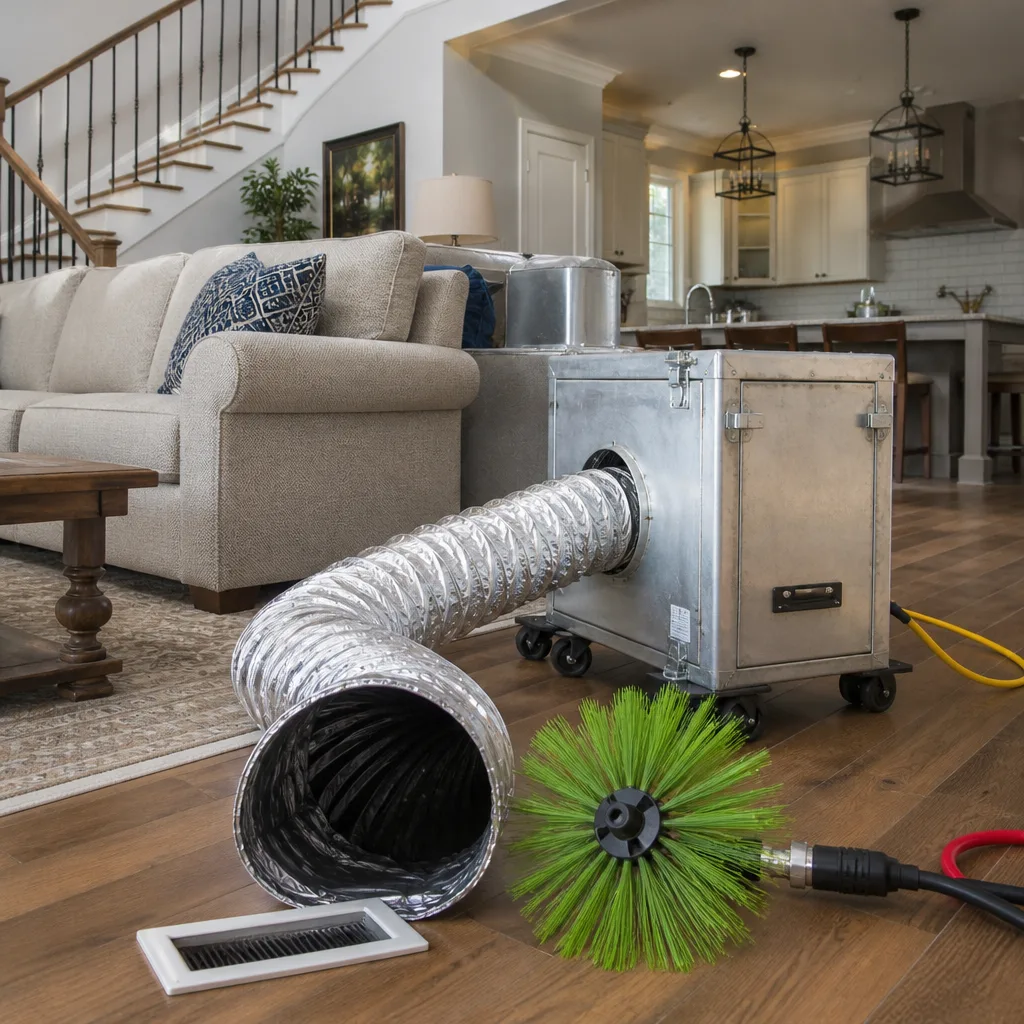 Whole-home duct cleaning
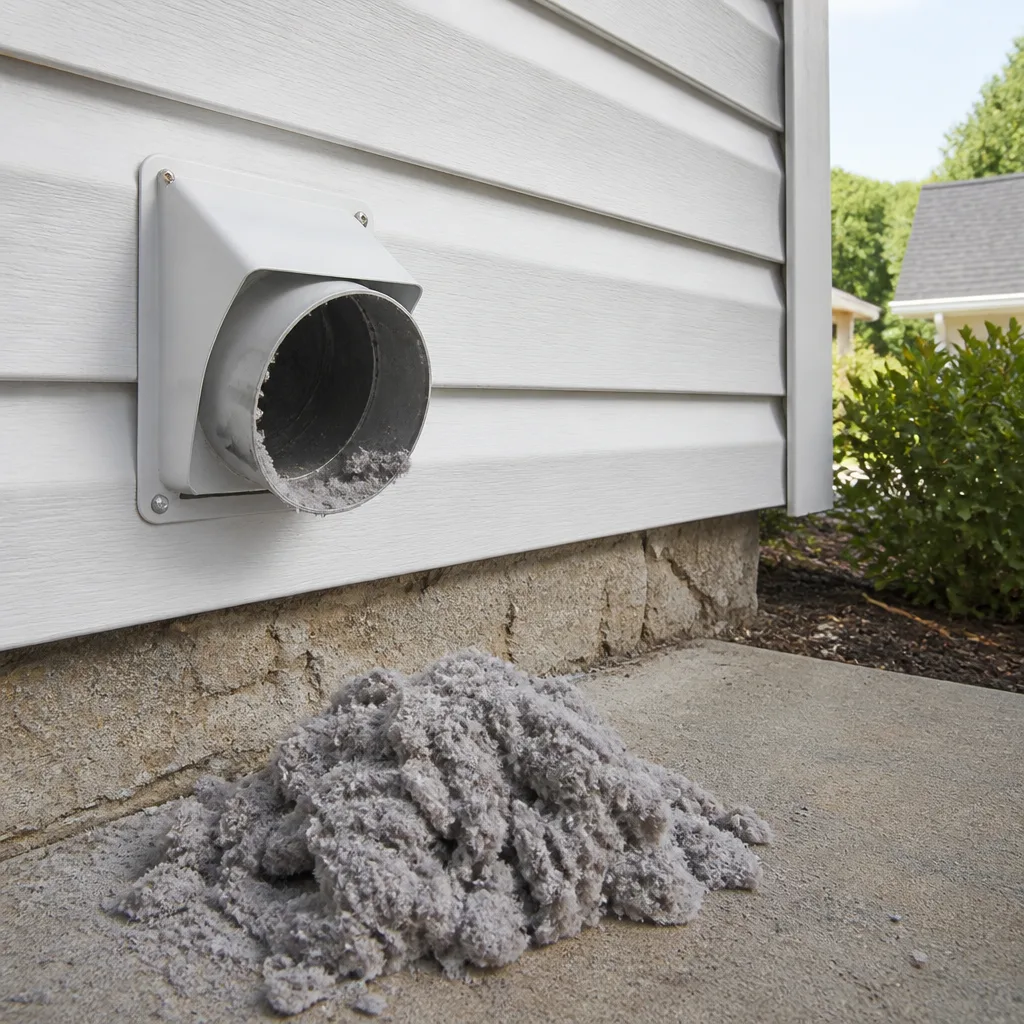 Dryer vent cleaning
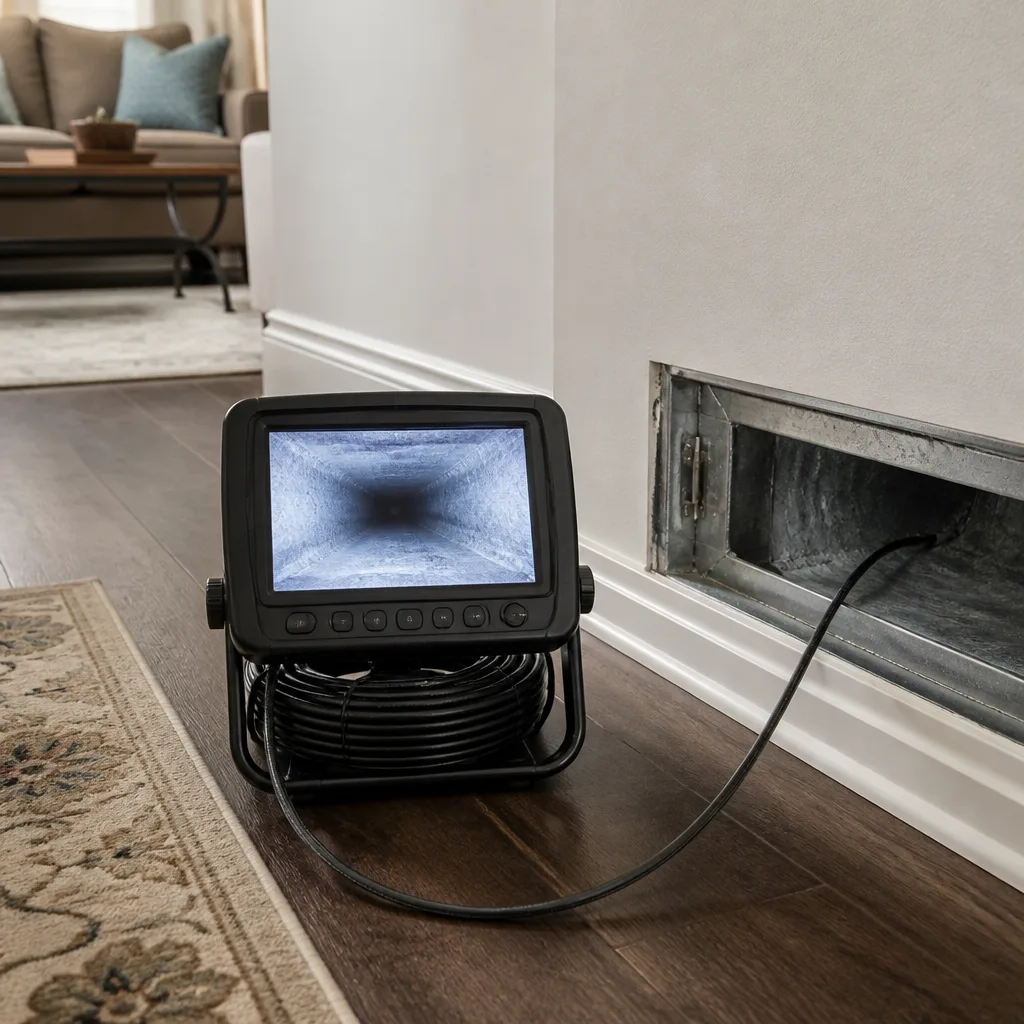 Camera inspection
 Sanitizing & deodorizing
Whole-system duct and dryer vent check with before-and-after photos - you see exactly what came out of your vents
That "$99 whole-house special" is a bait ad - the real number appears once they are in your hallway, or the "clean" is a shop-vac at the register. We photograph the inside of your ducts before and after instead.
Air Duct Cleaning Maintenance Schedule: What to Do and When
The “every three to five years” rule for duct cleaning was never based on measured contamination rates. It was marketing shorthand that stuck, passed around until it sounded like a regulation. In practice, two houses on the same Charlotte street can need very different schedules, because what actually drives contamination is renovation dust, pets, HVAC runtime, and the condition of the ducts themselves. We’re a Charlotte duct company, and we’ve pulled Rotary brush heads through ductwork that was spotless after five years and through ductwork that was thick after two. In this guide you’ll learn how to build a condition-based schedule for air duct cleaning, dryer vent cleaning, and duct inspection in Charlotte, so you clean when the evidence says to and skip the visits that aren’t doing anything.
Quick Answer
A condition-based duct cleaning schedule beats a fixed interval every time. For most Charlotte homes, that means a professional inspection every two to three years, air duct cleaning when a clear trigger shows up (a renovation, a new pet, visible debris at the vents, or a moisture problem in attic ductwork), and dryer vent cleaning on its own separate track because lint builds up by household routine, not by HVAC use. Homes with allergy or asthma sufferers, crawlspace duct systems, or heavy shedding pets can justify a shorter interval.
Styles & brands we work with
- Whole-home duct cleaning
- Dryer vent cleaning
- Camera inspection
- Sanitizing & deodorizing
Table of Contents
- Why the 3-to-5-Year Rule Falls Short
- The Triggers That Override Any Calendar
- Dryer Vent Cleaning on Its Own Schedule
- How Charlotte Humidity Changes the Inspection Priority
- The Annual Homeowner Checklist
- When Cleaning Too Often Is Wasteful
- When a Shorter Interval Is Genuinely Justified
- Common Mistakes to Avoid
Why the 3-to-5-Year Rule Falls Short
The trouble with a fixed interval is that it treats a variable system as a constant. Your HVAC runs a certain number of hours per year. It pulls a certain volume of air past a filter of a certain efficiency. It lives in a house with a certain number of pets, a certain amount of carpet, and a certain amount of construction happening down the road. Those variables decide how fast the inside of the ductwork collects dust, and they vary hugely from one Charlotte home to the next.
Think about HVAC runtime first. In Charlotte, a furnace or heat pump can run a lot of hours across a year, and every one of those hours moves air through the same trunk lines and branch runs. A house with a slightly undersized system, or a thermostat set aggressively, pushes more air and more particulate through its ducts than an identical house next door that runs less. The ducts don’t know what year it is. They only know what has passed through them.
Filter behavior matters too. A thin fiberglass filter that’s been left in place for a year does very little, and every particle it misses ends up coating the inside of the duct. Move up to a pleated filter with a higher MERV rating, change it on schedule, and the ducts stay cleaner for longer. That difference in filtration alone can shift the honest cleaning interval by a year or more.
Then there’s the house itself. Pets, carpet, cigarette smoke, woodworking, and nearby renovation all load the return ducts. A home with two shedding dogs and a cat needs attention sooner than a single occupant with hard floors. Renovation dust is its own category, because drywall and sawdust find the returns fast. None of that shows up on a calendar. All of it shows up in the ducts.
There’s a practical benefit to thinking this way: you get a cleaning schedule that matches your home rather than an average of every home. That’s the point of a condition-based schedule. You inspect, you read the evidence, and you clean when the evidence justifies it. For Charlotte homeowners, the basics of what a cleaning visit involves are covered on our air duct cleaning page, and the equipment standard is the same one we use on every job.
The Triggers That Override Any Calendar
Some events change the contamination profile of a house in a matter of weeks. When one of these comes up, the calendar becomes irrelevant and you should get an inspection rather than waiting out the interval.
- A renovation or remodel. Drywall dust, sawdust, and insulation fibers migrate straight into the return system as soon as contractors start cutting. Schedule a cleaning after the work is done and the dust has settled.
- A new pet joins the household. Shedding and dander load the return ducts quickly. A home that was low-dust can go heavy-dust in a single season.
- Visible mold or dark staining around vents and registers. That’s a signal to investigate, not to paint over. Moisture is involved, and the ducts need a proper look.
- The dryer takes two cycles to dry a load. That’s not an HVAC problem, it’s an airflow restriction problem, and it goes on the dryer vent schedule right away.
- A musty smell when the system runs. Often moisture or organic growth somewhere in the system. Worth an inspection.
- Visible dust streams or debris at the supply registers. A sign that the ducts have loaded up beyond what the filter can handle.
- Recent storm water intrusion, roof leak, or attic dampness. Charlotte’s summer storms make this a real trigger for attic ductwork specifically.
None of these require a stopwatch. They require a call and an honest look. We repair what we find when the inspection turns up a gap, a disconnected run, or a crushed section, and we don’t sub the repair out. If you’re in one of the towns we serve outside the city, the same framework applies. A homeowner in Locust with a new puppy and a recently finished basement has the same triggers as someone in Ballantyne, just a different house layout.
Dryer Vent Cleaning on Its Own Schedule
Dryer vent cleaning belongs on a schedule of its own, and this is where most homeowners get into trouble. The dryer vent is not connected to the HVAC system, so HVAC usage tells you nothing about how fast lint collects in it. What actually drives lint buildup is the number of loads run per week, the fabric mix, the length of the vent run, and how the vent is routed through the house.
Lint accumulates because every load of laundry sheds fibers. Those fibers pass the lint trap (which catches only part of them), travel down the vent, and collect where the run turns, where the flexible section sags, or where the run exits. A household running ten loads a week builds lint far faster than a single occupant running two. A vent that runs a short, straight path behind the dryer clears itself better than one that travels a long path through an exterior wall or up to the roof.
This is one of the most important safety items in a home. A heavily loaded dryer vent restricts airflow, the dryer overheats, and the lint itself is combustible. Dryer vent cleaning directly addresses a leading cause of residential fires, and that’s why we treat it as a safety service rather than a comfort add-on. Our dryer vent cleaning service covers the full run, including the exterior termination point where lint and pest nests often hide.
What to watch between visits:
- The dryer takes noticeably longer to dry.
- Clothes come out hotter than they used to.
- The exterior flap doesn’t open fully when the dryer runs, or doesn’t open at all.
- Lint accumulates around the exterior vent hood.
- The laundry room gets noticeably humid when the dryer runs.
If any of those show up, don’t wait out a calendar. Get the vent checked. Our team handles this in-house alongside air duct cleaning and duct repair, so you’re not passed along to a separate contractor.
How Charlotte Humidity Changes the Inspection Priority
Charlotte’s humidity season runs roughly May through September, and it changes what you should inspect, not just when. The most valuable inspection timing in this climate is not a fixed month on the calendar, it’s the weeks right after the humid season ends. That’s when you can actually tell whether moisture got into the system and stayed there.
Here’s why. Attic ductwork in Charlotte sits in an environment that swings from hot and sticky to cool and dry. During the humid season, condensation can form on duct surfaces, especially where insulation is thin or damaged. If there’s a gap, a disconnected section, or a compromised vapor barrier, that moisture finds its way in. By late September and October, you can see the evidence: staining, damp insulation, or a musty smell that only shows up when the system first kicks on. Inspecting in October or November catches those issues before they sit through another humid season.
For homes with ductwork in the crawlspace, the concern is different but related. Crawlspaces in the Charlotte area hold ground moisture, and duct runs down there are exposed to it. Damp insulation on a crawlspace duct is worth investigating even if the ducts look clean, because the insulation itself can become a moisture reservoir. A cleaning visit that ignores the insulation condition is only half the job.
What we look for during a post-humid-season inspection:
- Staining or discoloration on duct exterior and at joints.
- Compressed, torn, or displaced insulation.
- Damp insulation around attic or crawlspace runs.
- Musty odor at supply registers when the system starts up.
- Visible condensation or water marks near the air handler.
If moisture has reached the point where the duct interior is contaminated, routine dust removal isn’t enough. That’s the kind of job where having Abatement Technologies equipment on hand matters, because it means we can handle remediation-level conditions rather than referring you out. We’re careful to say what we can and can’t do – we don’t market certifications we don’t hold – but handling contaminated duct environments is within what our equipment and process are built for.
The Annual Homeowner Checklist
A little routine attention at home extends the time between professional cleanings, and it makes the professional visit more effective when it happens. This is a simple annual checklist we recommend to Charlotte homeowners. None of it requires special tools, and most of it takes a few minutes.
- Change the HVAC filter on schedule. Check the filter housing label for the recommended interval, and shorten it during heavy-use months or when pets are shedding. A pleated filter with a reasonable MERV rating is a better default than a thin fiberglass panel.
- Check that the filter fits. A filter that’s too small lets air bypass around the edges, and unfiltered air is what actually loads the ducts. If the frame is bent or missing, fix that first.
- Walk the house and inspect every vent cover. Look for dust streaming, dark staining, loose screws, or a cover that’s been painted shut. Registers that are blocked by furniture or rugs starve the system and change airflow through the ducts.
- Confirm return grilles aren’t obstructed. A blocked return pulls harder through the rest, which draws more dust into the system.
- Check the dryer vent exterior flap. Confirm it opens when the dryer runs and closes when it stops. Clear any lint or debris around the hood. Never run the dryer with a blocked or taped-shut flap.
- Look at the exterior of accessible duct runs. In the attic or crawlspace, check that insulation is intact and that joints look connected. Note anything that looks damp.
- Note any changes in the house. New pet, new baby, renovation, new flooring, a roof repair. Write it down so the next inspection starts with context.
If you want the professional side handled properly, our main service page at Stratford Air Duct Cleaning covers the full scope. Contact cleaning with Rotobrush is the standard on every visit, and HEPA-rated extraction through Nikro vacuums captures the fine particulate that a shop vac would simply throw back into the air.
When Cleaning Too Often Is Wasteful
Cleaning more often than the evidence justifies is not harmless. It costs money, it puts wear and tear on duct connections and insulation, and it adds an unnecessary disturbance to the system. Ducts are not a surface you want to scrub aggressively without cause. They’re a sealed network that performs best when its joints, insulation, and connections are left alone.
If your ducts were professionally cleaned two years ago and you’ve had no renovation, no new pets, a well-maintained filter, and no moisture issues, there’s no reason to clean them again right now. An inspection that comes back clean is a good result, and it saves you a full cleaning visit. A company that tells you to clean every year no matter what is selling a schedule, not a service.
The same logic applies to dryer vents, though the risk profile is different. A household with a short, straight vent run and two loads a week may go longer between cleanings than a household with a long run and ten loads a week. It’s the load count and the run length that matter, not the years.
One more point on frequency: aggressive brushing on flexible duct can damage the liner if it’s done carelessly. Rotobrush contact cleaning is designed for this work and uses the appropriate tools for the duct type, but the technique still needs to match the material. Cleaning too often increases the number of times that tooling touches the liner. Fewer, well-timed cleanings are gentler on the system than a constant cycle.
When a Shorter Interval Is Genuinely Justified
There are real cases where a shorter interval makes sense, and they’re worth naming clearly because they’re often used as a sales lever when they shouldn’t be. Here’s where we think a tighter schedule is genuinely the right call.
- Household members with asthma or severe allergies. When the people in the home react to the air, reducing particulate load matters more. A shorter interval is a reasonable investment.
- Immunocompromised household members. Similar logic, with more at stake. Cleaner air is worth more than the cost of an extra visit in these cases.
- Crawlspace duct systems in the Charlotte area. Ducts routed through a crawlspace face ground moisture and pest intrusion, and the insulation around them is a moisture reservoir. They deserve more frequent inspection than attic runs in a conditioned space.
- Multiple shedding pets. The return ducts load faster than the calendar assumes.
- A home with a history of visible mold or moisture problems. Once you’ve had an issue, catching the next one early matters.
- Recent renovation with poor containment. Drywall dust from a remodel that wasn’t sealed off can settle through the entire system. A post-renovation cleaning is close to mandatory.
Outside those situations, a longer interval is usually the honest answer. Our preference is to recommend what the ducts actually need. If you’ve had a vague quote from a cheap service and you’re not sure what you paid for, an inspection with clear before-and-after photos of your own system tells the real story.
Common Mistakes to Avoid
- Treating the 3-to-5-year rule as law. It’s shorthand, not a measured standard. Use it as a starting assumption and let inspection refine it.
- Setting a cleaning interval by the calendar and ignoring triggers. A renovation, a new pet, or a musty smell overrides any date. Move on the trigger, not the schedule.
- Leaving the dryer vent off the schedule entirely. The dryer vent is independent of HVAC use and builds up lint by household routine. It needs its own check, and it’s a fire safety item.
- Skipping the post-humid-season inspection. In Charlotte, waiting until spring to look at attic or crawlspace ductwork means moisture sat through the winter. Check in fall after the humidity season ends.
- Running a thin, overloaded filter. A fiberglass filter that’s been left too long sends every missed particle into the return ducts. Filter upkeep is the cheapest schedule extender there is.
- Cleaning more often than needed. Repeated cleaning wears on duct connections and insulation and costs money without benefit. An honest inspection should occasionally save you a visit.
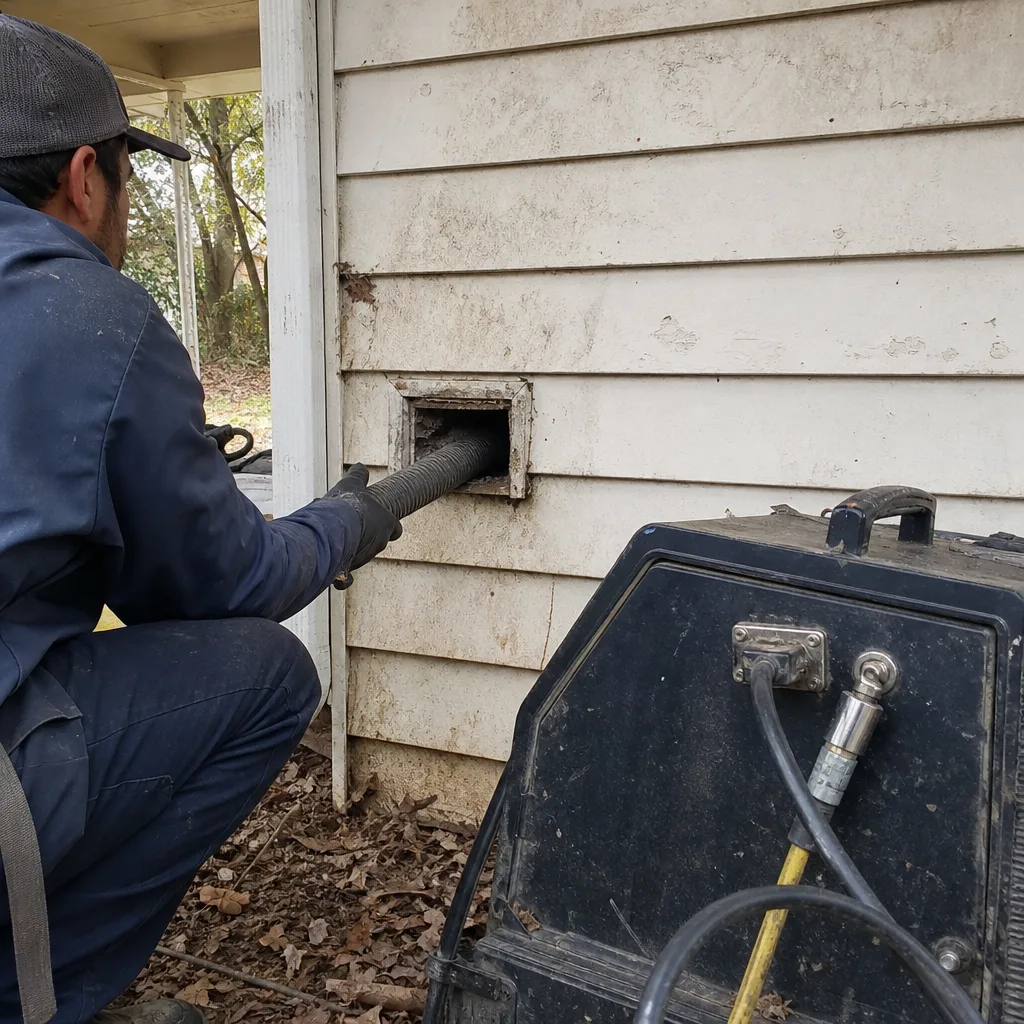
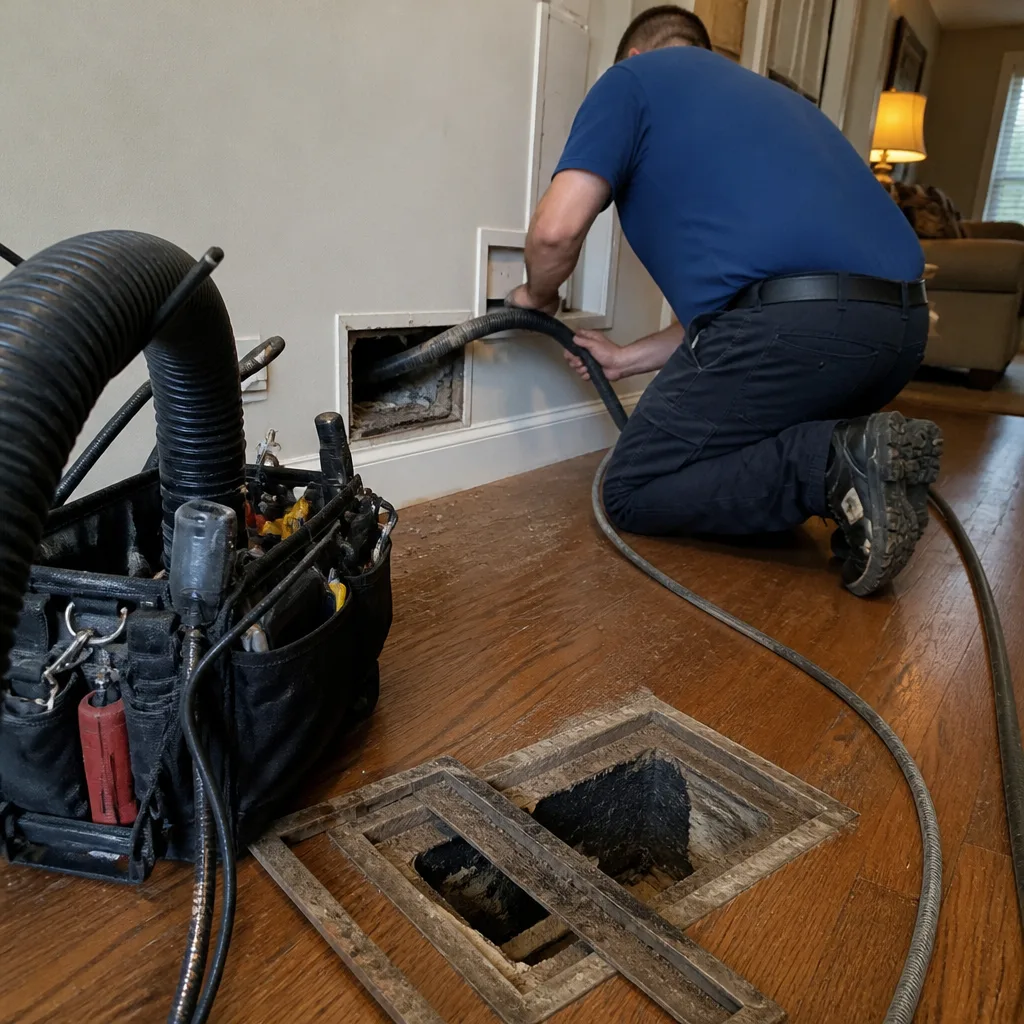
- Accepting a quote with no evidence. A vague low price with no photos before and after, no method named, and no equipment named usually means a blower-and-hose job. Ask what tooling will be used and ask to see the before-and-after images.
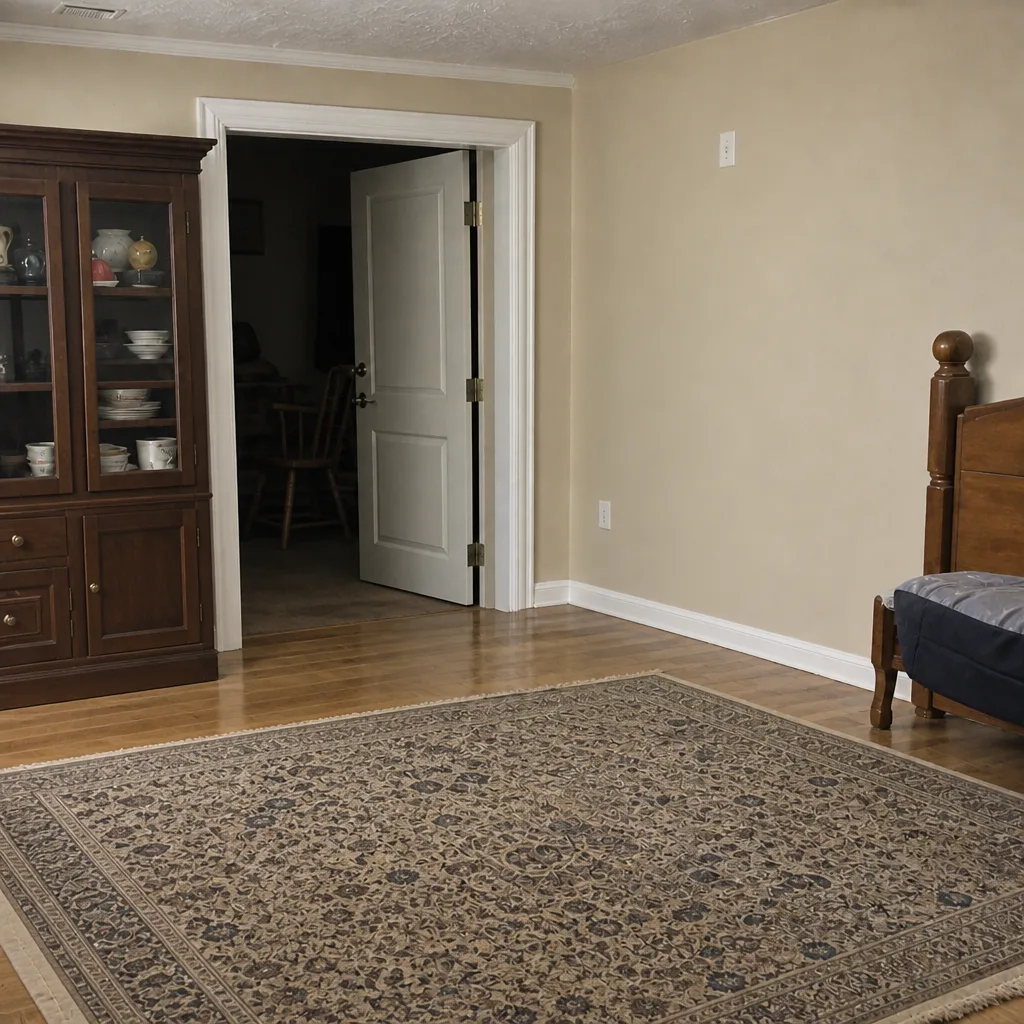
See the difference
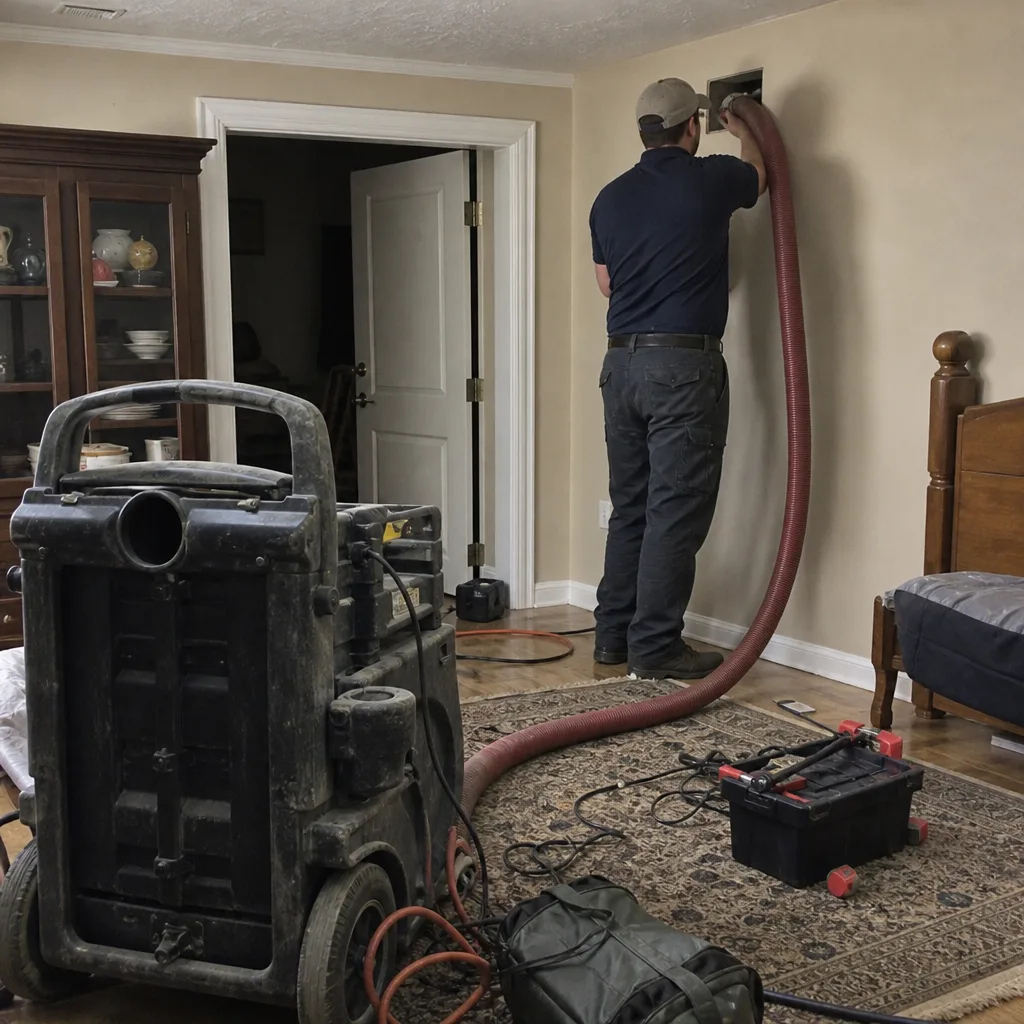 Before
 After
 Before
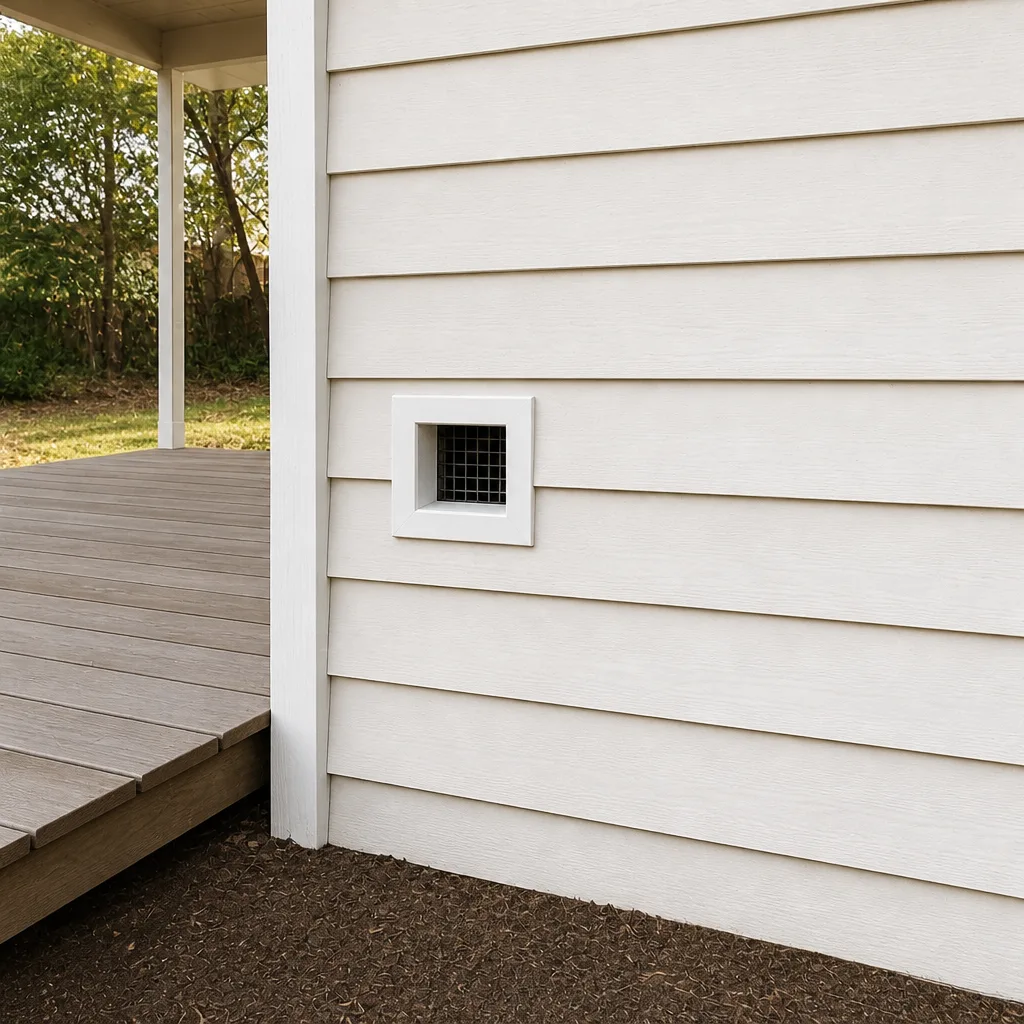 After
 Before
 After
When to Call a Professional
Get a professional on the phone when any of the triggers above fires: after a renovation, after a new pet arrives, after visible mold or dark staining appears at a vent, when the dryer starts needing two cycles, when the system smells musty on startup, or when you notice debris streaming out of a supply register. Get a professional inspection after every humid season in Charlotte if you have attic or crawlspace ductwork, because that’s when moisture damage is visible. Also call when a duct has come loose or when airflow to a room has dropped off noticeably – that’s a repair issue that shouldn’t wait. Stratford Air Duct Cleaning offers free estimates in Charlotte. Call (833) 962-6967. We answer 24/7. Fast dispatch from 7am to 7pm, Sunday through Friday. The price is set per job by the written estimate, and before-and-after photos of your own system are part of the work.
Frequently Asked Questions
For most Charlotte homes, an inspection every two to three years and a cleaning when a real trigger shows up is a better schedule than a fixed multi-year interval. Triggers include renovation dust, a new pet, visible staining at the vents, a musty smell on startup, or a moisture problem in attic or crawlspace ductwork. If your ducts were recently cleaned and the filter has been maintained, there’s no reason to clean them again on a calendar alone. Call (833) 962-6967 for a free estimate and an honest read on what your system actually needs.
It isn’t based on measured contamination rates. It’s a marketing shorthand that became conventional wisdom. Contamination builds at very different rates depending on the household, so the honest answer is to inspect and decide based on what’s actually in the ducts rather than on a fixed number of years.
No. The dryer vent is a completely separate system from the HVAC, so HVAC usage tells you nothing about lint buildup. Lint accumulation depends on how many loads you run per week, the fabric mix, and how long and how twisted the vent run is. It’s also a fire-safety item, so it deserves its own check rather than piggybacking on the duct cleaning schedule.
Because Charlotte’s humid season runs roughly May through September, and moisture damage in attic ductwork becomes visible in the weeks after it. Post-summer inspection catches damp insulation, staining, or compromised joints while the evidence is still there, rather than waiting until spring when it’s sat all winter. Crawlspace ductwork deserves similar attention.
A shorter interval is genuinely justified when household members have asthma, severe allergies, or compromised immune systems, or when the home has crawlspace ductwork or multiple shedding pets. In those cases, reducing airborne particulate matters enough to justify more frequent visits. In an average household with maintained filtration and no triggers, a longer interval is the honest recommendation.
Pricing is set per job by the written estimate after we’ve seen the system, so we won’t quote a per-vent price or a teaser figure over the phone. Cheaper quotes are almost always cheaper for a reason: blower-only or compressed-air setups, no HEPA-grade capture, and no real contact cleaning with a rotary system. Ask any company what equipment they’ll use – the difference in results is substantial. Call (833) 962-6967 for a free estimate, and the written estimate sets the final price.
The Bottom Line
A duct maintenance schedule built around evidence beats one built around a marketing shorthand. For most Charlotte homes, inspect every two to three years, clean when a real trigger shows up, and treat dryer vent cleaning as its own safety schedule based on loads and vent length. Check attic and crawlspace ductwork after the humid season rather than in spring. Maintain the filter, walk the vents once a year, and don’t clean more often than your system actually needs. Honeywell and Aprilaire filtration products are worth discussing with your technician if you want to reduce particulate load between visits. If a duct is damaged when the inspection happens, we repair it in-house rather than sending you to another contractor.
Call (833) 962-6967 for a free estimate. We answer 24/7. Fast dispatch from 7am to 7pm, Sunday through Friday.
Written by the team at Stratford Air Duct Cleaning, serving Charlotte since 2017.