
Last updated November 14, 2026
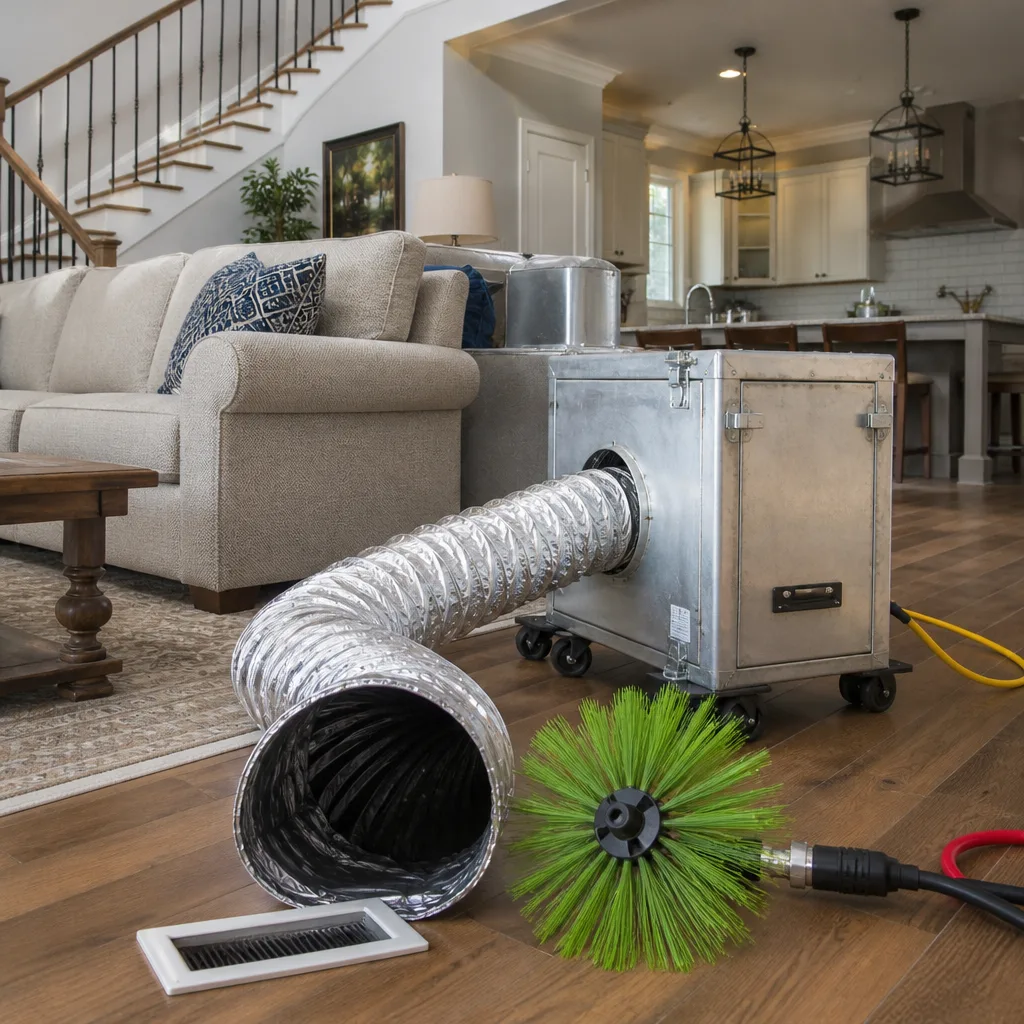 Whole-home duct cleaning
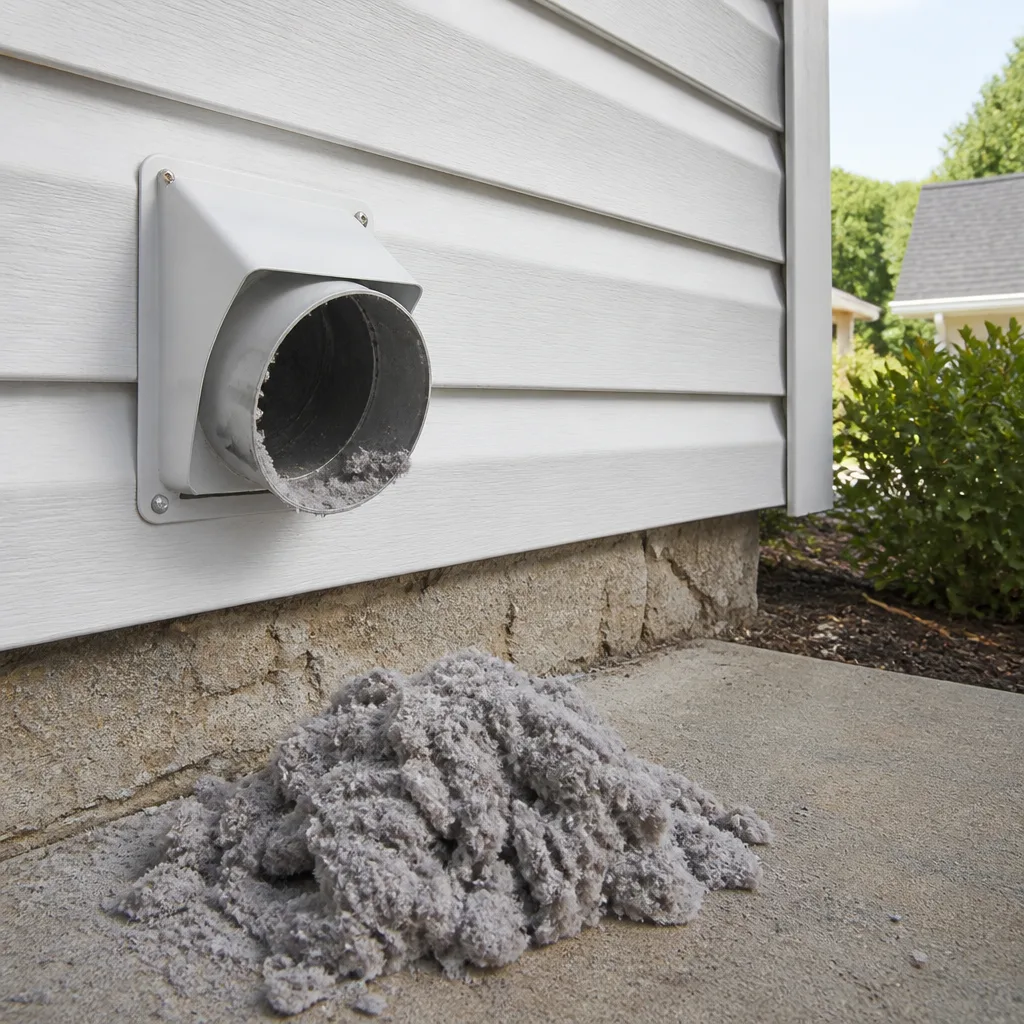 Dryer vent cleaning
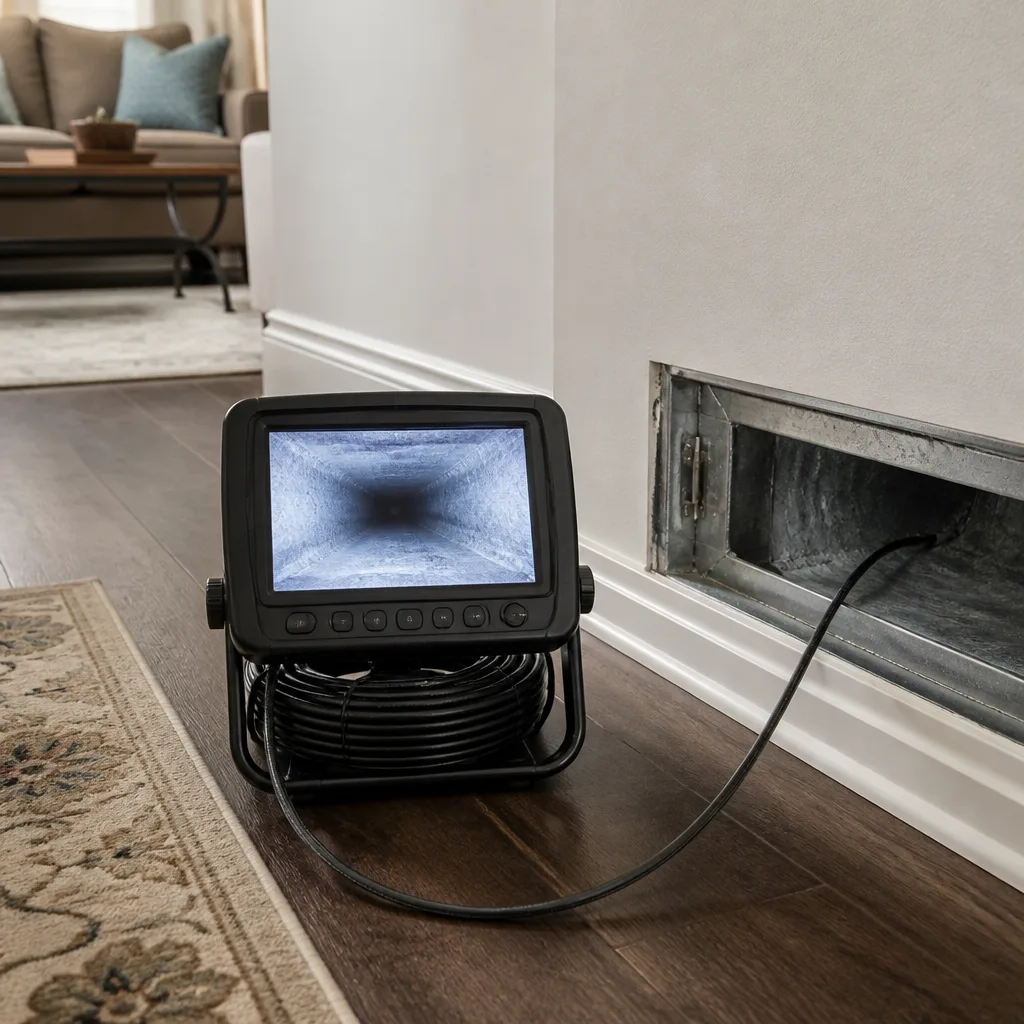 Camera inspection
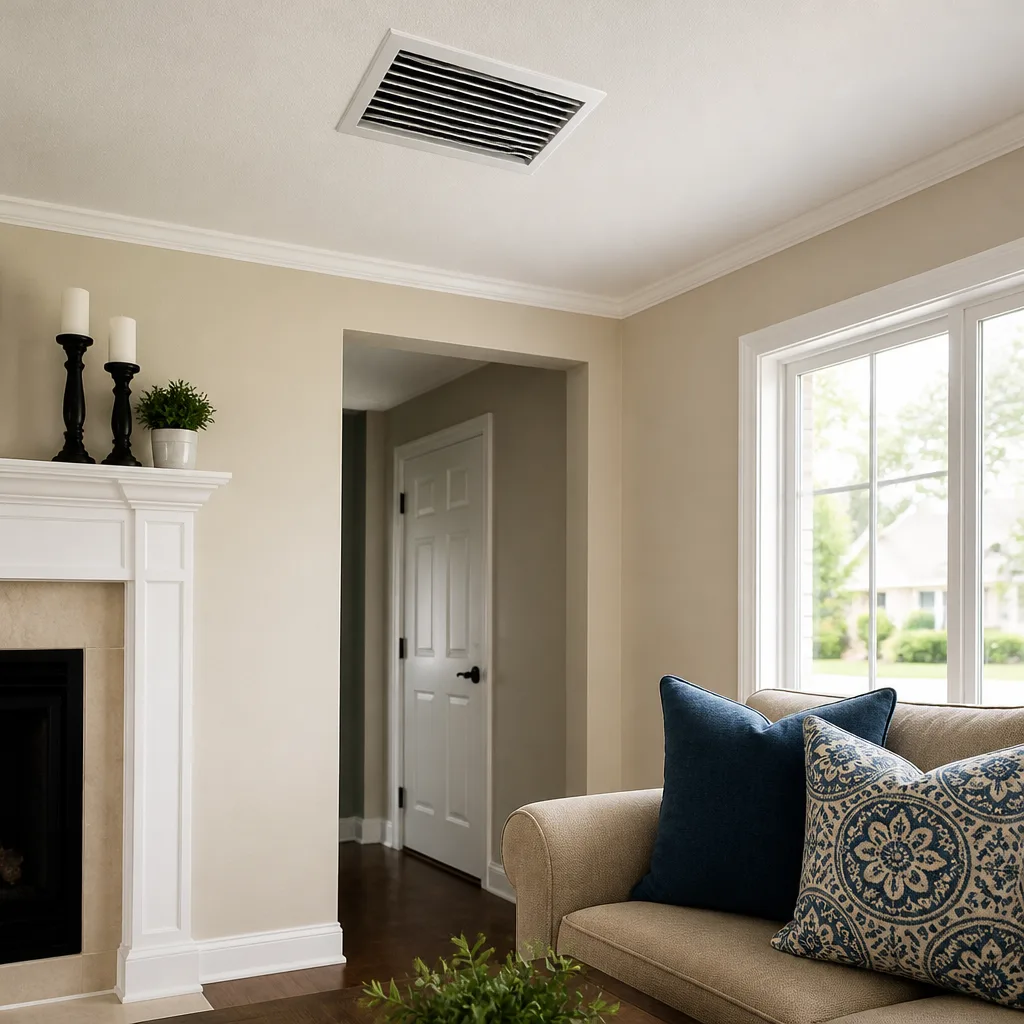 Sanitizing & deodorizing
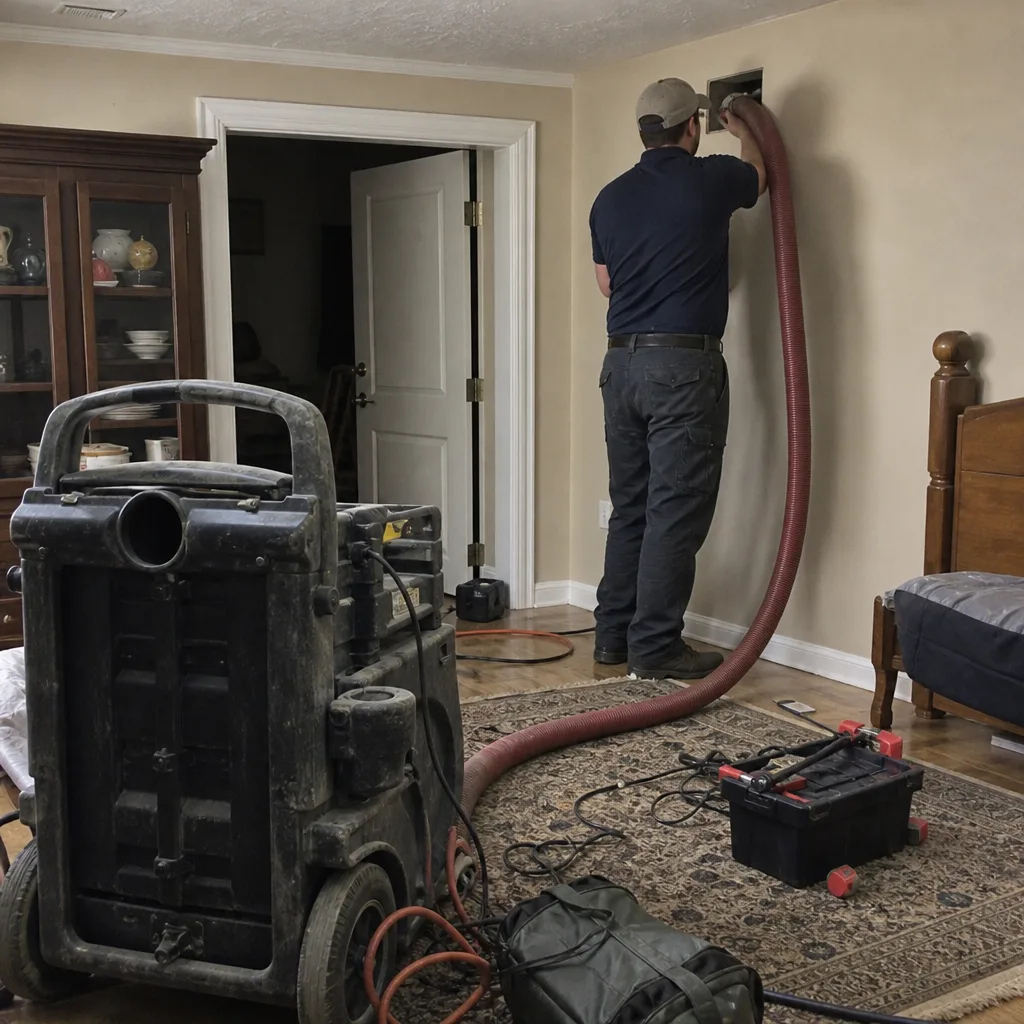
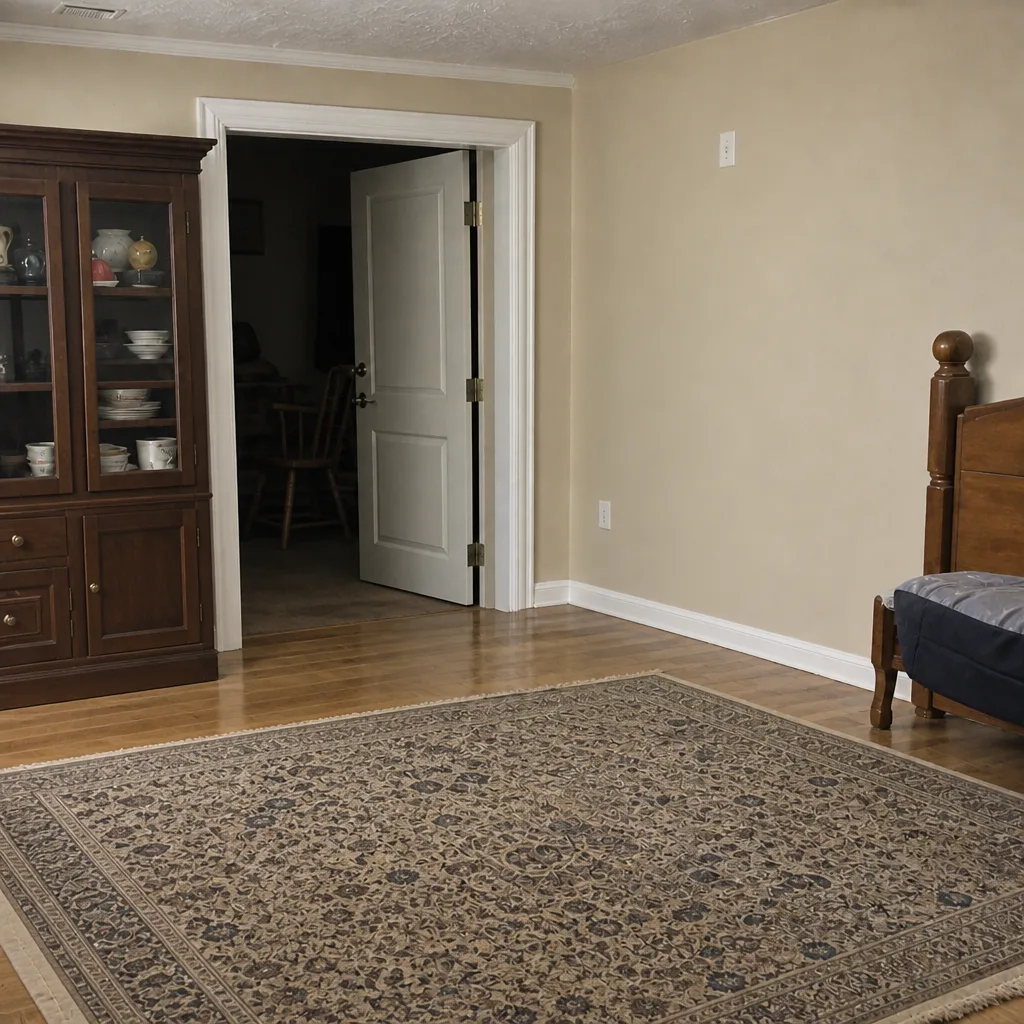
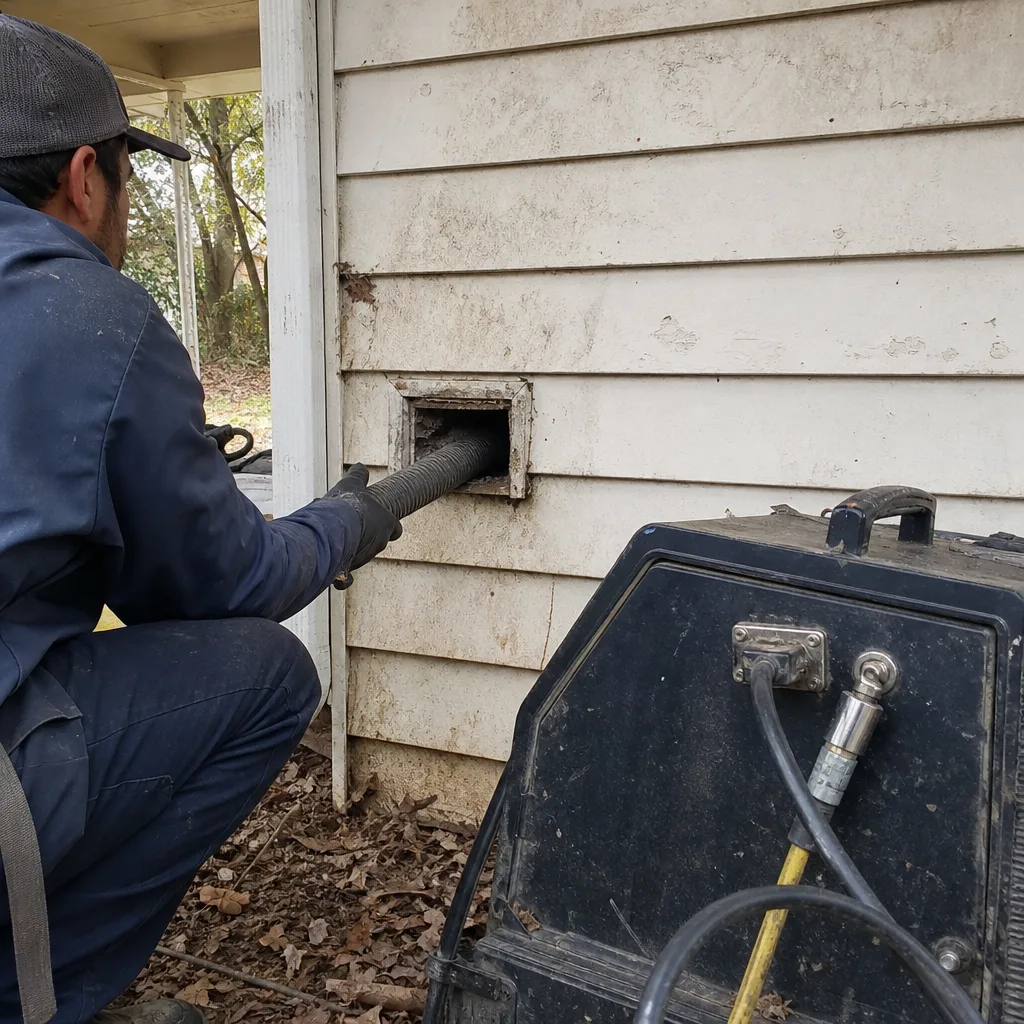
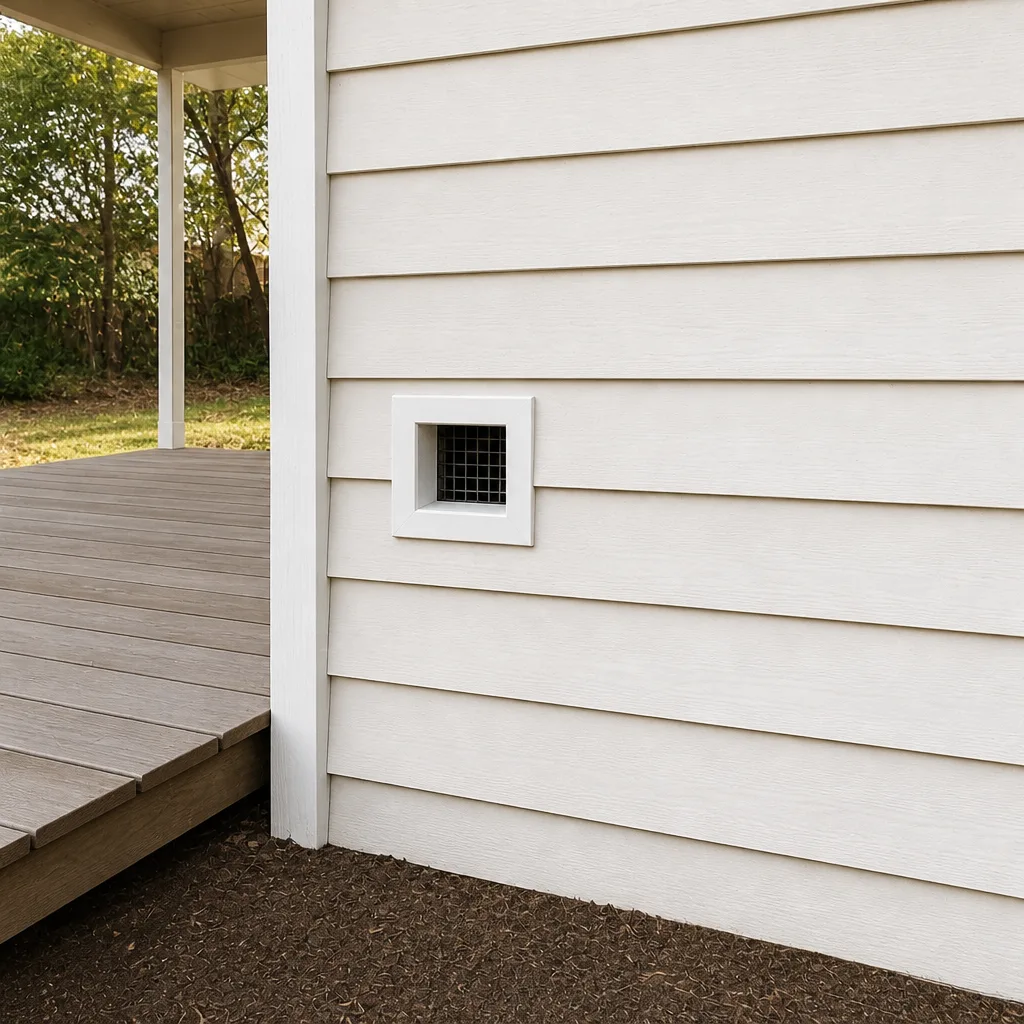
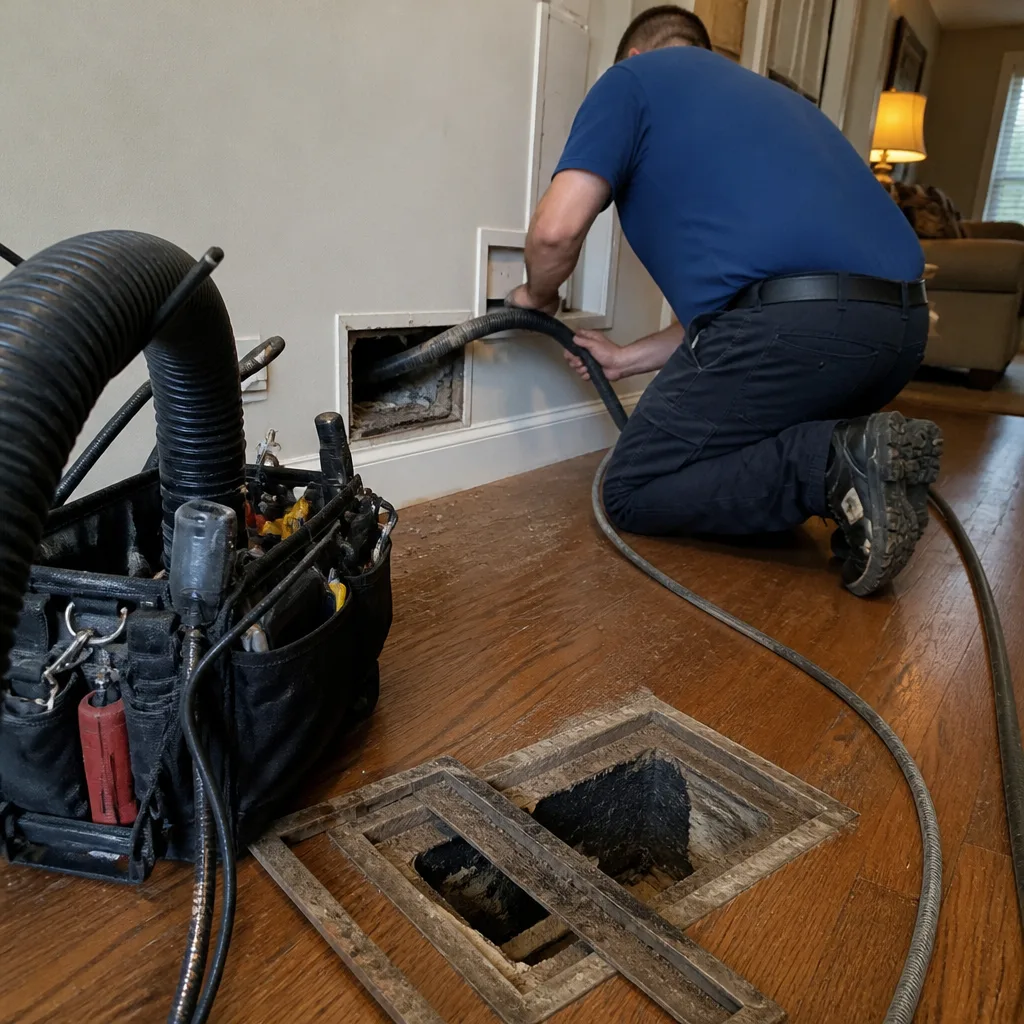
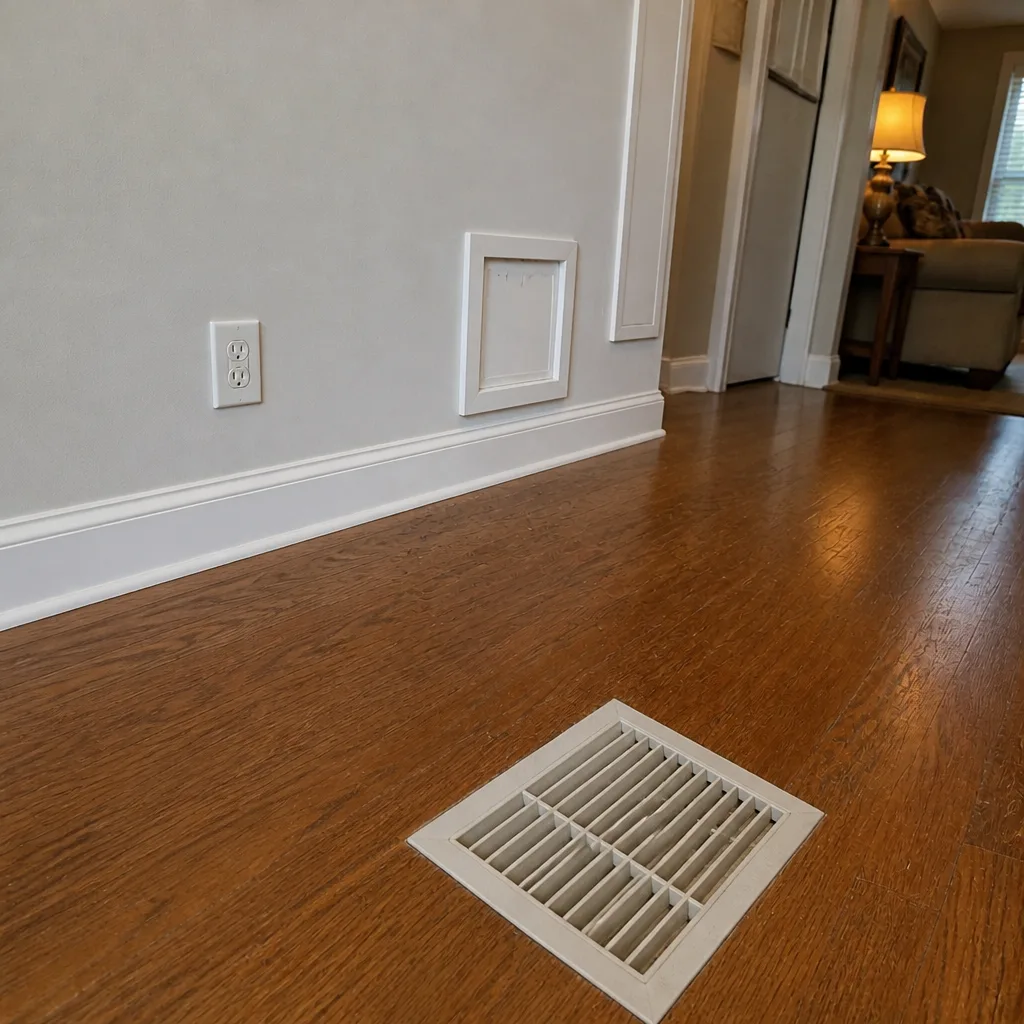
Whole-system duct and dryer vent check with before-and-after photos - you see exactly what came out of your vents
That "$99 whole-house special" is a bait ad - the real number appears once they are in your hallway, or the "clean" is a shop-vac at the register. We photograph the inside of your ducts before and after instead.
Air Duct Cleaning Permits, Codes & Inspections in Charlotte, NC: What You Need to Know
No permit is required to clean your ducts in North Carolina. But if the technician who finds a collapsed flex duct section repairs it on the spot without pulling a mechanical permit, you may have an unpermitted HVAC modification that your home inspector will flag when you sell. That line – between routine maintenance and regulated construction – is where most Charlotte homeowners get caught out. Most never think to ask. They hire a cleaner, a repair happens in the same visit, and six years later a buyer’s inspector writes up work that was never inspected. This guide draws the boundary clearly: what North Carolina’s mechanical code treats as cleaning, what it treats as construction, how Mecklenburg County’s permit process actually works, and what documentation you should walk away with.
Quick Answer
Cleaning air ducts is maintenance and does not require a permit in North Carolina. Repairing, replacing, modifying, or extending ductwork is mechanical work, and under the North Carolina Mechanical Code that generally requires a permit from Mecklenburg County Code Enforcement, pulled by a licensed mechanical contractor. Inspections are required before the work is covered up. A cleaning company can clean and document what it finds; a licensed HVAC contractor pulls the permit and performs the structural repair. Knowing which service you’re buying before work starts is the whole game.
Styles & brands we work with
- Whole-home duct cleaning
- Dryer vent cleaning
- Camera inspection
- Sanitizing & deodorizing
Table of Contents
- Where Does North Carolina Draw the Line Between Cleaning and Construction?
- What Does the North Carolina Mechanical Code Actually Regulate?
- How Does Mecklenburg County Handle Permits for Duct Repairs?
- What Happens When Cleaning Reveals Structural Damage?
- What Documentation Should You Get After Mold-Related Duct Work?
- Do Charlotte HOAs Add Another Layer of Approval?
- What Does a Duct Inspection Actually Cover?
- How Does All This Surface at Resale?
Where Does North Carolina Draw the Line Between Cleaning and Construction?
The practical boundary is whether the duct system’s physical configuration changes. Cleaning removes material from ducts that stay exactly where they are. Repair changes the system – a new section, a different routing, a replaced run, a resized trunk. One is maintenance. The other is mechanical work. The North Carolina Mechanical Code governs the second.
Here are the clean examples of each side:
- No permit typically needed: contact cleaning of the interior duct surfaces, vacuuming supply and return runs, sealing a small accessible joint with mastic, replacing a filter, cleaning the blower compartment, clearing a dryer vent line.
- Permit generally required: replacing a run of flex duct, repairing a crushed or disconnected trunk, adding a new supply register, rerouting a duct to serve a converted garage, changing the size of a trunk line, or replacing ductwork as part of a system changeout.
The confusion comes because these two kinds of work often happen in the same visit. A technician pulls a register cover and finds a section of flex duct crushed flat against a joist. That’s a repair, not a cleaning. Some duct cleaning companies offer repair as a service – we do, through Stratford Air Duct Cleaning – and the honest way to handle it is to tell you plainly whether the repair falls under code and whether it needs a permit, rather than quietly doing it and moving on. In Charlotte’s housing stock, where crawl spaces and attic runs mean a lot of ductwork sits out of sight, damage is common. That’s all the more reason to know who’s doing what.
What Does the North Carolina Mechanical Code Actually Regulate?
The North Carolina Mechanical Code governs the design, installation, maintenance, alteration, and repair of mechanical systems, including ductwork. It applies to residential and commercial HVAC. What it does not regulate is cleaning – there is no permit category for “cleaning ducts” in the state. Cleaning falls under maintenance of an existing system, and routine maintenance is not a permitted activity.
Where the code gets specific about ducts:
- Installation standards. Duct materials, support spacing, sealing, and insulation requirements are set in the code. Any new duct installed must meet those standards.
- Alteration and repair. Altering or repairing a mechanical system is regulated work. It’s not the same as maintenance. A repaired duct has to meet the same installation standards as a new one.
- Licensing. Mechanical work in North Carolina generally has to be performed by a licensed mechanical contractor, or under one. Cleaning technicians are not mechanical contractors.
- Inspection. Permitted work requires inspection. Duct repairs that get covered by drywall or insulation need inspection before they’re closed up.
That fourth point is where homeowners lose money. An unpermitted repair can be perfectly functional and still fail a resale inspection, because the buyer’s inspector is asking for a permit record, not judging the workmanship. We’ve seen this pattern in Charlotte enough times to say it plainly: the cost of a permit is small next to the cost of a flagged unpermitted modification at closing. If a repair goes beyond cleaning, ask about the permit.
How Does Mecklenburg County Handle Permits for Duct Repairs?
Mecklenburg County Code Enforcement issues mechanical permits through its permit office. When a duct repair, replacement, or modification requires a permit, the licensed mechanical contractor pulls it, pays the associated fee, and schedules inspection. The permit stays open until the work is inspected and approved.
What that process looks like in practice for Charlotte homeowners:
- Scope is written down. The contractor describes the repair in enough detail that the county can classify it – typically as a mechanical permit if it’s part of an HVAC system alteration, or a minor repair if the scope is limited.
- Permit is pulled before work starts. Work that gets done first and permitted later is a red flag. A legitimate contractor pulls the permit before starting.
- Inspection happens at the right stage. Duct repairs that will be concealed (in an attic or crawl space behind insulation, or inside a wall) need inspection before concealment.
- Final sign-off closes the permit. The permit record stays on file with the county, which is exactly what a future buyer’s inspector wants to see.
Two things worth knowing: the county asks who the contractor is on the permit, so a cleaning company that doesn’t hold a mechanical license can’t pull the permit itself. And a house in Charlotte with a mechanical permit on file for a duct repair at a specific address does not create a problem at resale – it removes one. If you’re in doubt about whether your repair needs a permit, ask the county’s permit office directly or ask the contractor to put the scope in writing and tell you whether it’s permitted.
What Happens When Cleaning Reveals Structural Damage?
This is the most common scenario in our work: the cleaning visit uncovers something structural. It’s also where Charlotte homeowners get the least clear guidance. The right sequence is defined, and it protects you.
What should happen when cleaning reveals a collapsed duct, a disconnected run, or a crushed section behind a register:
- The cleaning stops at the boundary. Cleaning addresses what’s inside the duct. Structural damage is a separate scope. A good technician documents the damage – photos before and after, location, description – rather than doing a same-visit repair and billing it as cleaning.
- You get a written description. What’s damaged, where it is, what the repair involves, and whether it requires a permit. This should be in writing, not a verbal note from the technician at the door.
- You choose the path. If the repair is below the permit threshold – think replacing a short accessible flex run – a duct specialist can often handle it without a mechanical permit. If the repair modifies the system (new run, resized trunk, rerouting), a licensed mechanical contractor pulls the permit.
- Both parties may be involved. It’s entirely normal in Charlotte for a cleaning company and a licensed HVAC contractor to work a single job together. Cleaning happens first, repair happens second, and the second scope may need a permit the first can’t pull.
The mistake homeowners make is assuming a single company handles everything seamlessly. Sometimes it can – we handle air duct cleaning and duct repair under one roof, using equipment built for remediation work, including Abatement Technologies equipment for contaminated or compromised duct environments. But we’ll always tell you which part of the job needs a licensed mechanical contractor to pull a permit. That clarity is the value.
What Documentation Should You Get After Mold-Related Duct Work?
Post-remediation documentation is where duct cleaning and legal exposure actually meet. If mold has been identified in ductwork or on interior duct surfaces, the work shifts from routine cleaning to something closer to remediation, and the paper trail matters more than the service itself.
What a Charlotte homeowner should walk away with in writing:
- Pre-work description. What was found, where, and how much of the system was affected. Photos of the affected areas before work begins.
- Work scope. What was removed, cleaned, or sealed, and what equipment was used. HEPA-rated extraction systems – like the Nikro vacuums we run – are the standard for this kind of work, because they capture fine particulate instead of releasing it back into the space.
- Post-work photos. Before-and-after photos of the same areas. This is your evidence if the issue is ever questioned.
- Any follow-up recommendation. Whether the system needs further evaluation, a mold assessment from a qualified inspector, or filtration upgrades. We work with Honeywell and Aprilaire products for whole-home filtration, and in cases like this, filtration can be part of the longer conversation about keeping the problem from coming back.
- A clear statement about permits. If any of the work done involved structural repair or modification, the permit and inspection record should accompany the documentation.
North Carolina does not license mold remediation as a standalone trade with a state license class, which is exactly why documentation matters so much. Without a written record, the only evidence of what was done is the invoice. Ask for more.
Do Charlotte HOAs Add Another Layer of Approval?
Yes, sometimes. HOA governance in Charlotte covers exterior modifications to the home, and duct-related work can trigger architectural review if it touches the exterior envelope. Routine duct cleaning never does. But repair and modification work can.
The scenarios where an HOA may be involved:
- New exterior duct penetrations. Adding a new exterior vent, intake, or termination point usually requires architectural review committee approval in HOA-governed communities.
- Dryer vent termination changes. Moving where a dryer vent exits the wall, or changing the termination style visible from the street, can fall under architectural review.
- Roof-mounted vents. A new roof penetration for a bath fan or dryer vent is a visible exterior change on some home styles and can require review.
- Condenser or equipment changes. If a duct modification is part of a larger HVAC changeout, the exterior equipment placement can trigger review.
What HOAs do not cover: interior duct cleaning, filter changes, or repairs inside the envelope. HOA approval is not a substitute for a county permit either. Both can apply. If you live in an HOA-governed community and the scope of work touches anything on the exterior, get the architectural review in writing before the work starts. That conversation is between the homeowner and the HOA. On our side, dryer vent cleaning is a maintenance activity that doesn’t change the termination point, so it stays out of HOA territory. A dryer vent re-route does not.
What Does a Duct Inspection Actually Cover?
There are three separate things people mean by “duct inspection,” and they have different scopes. Knowing which one you’re buying matters more than the price.
- Pre-cleaning inspection. A technician looks at the system, typically through register openings and at accessible duct sections, to determine what’s there and what the cleaning scope will be. Usually part of the cleaning visit.
- Post-cleaning verification. Before-and-after photos of the same locations. This is the evidence that the work was done, and it should be included with the cleaning. If it isn’t, ask for it before you pay.
- County mechanical inspection. This only happens when permitted work has been performed. It covers code compliance, not cleanliness. The county inspector is verifying that duct materials, sealing, and installation meet the mechanical code.
There is no separate state “duct inspection” license in North Carolina. A home inspector may comment on ducts during a resale inspection, but that’s a generalist view. If you’ve had a county mechanical inspection on a duct repair, that record is the document that matters at resale. If you haven’t had repair work done, the before-and-after photos are your record.
How Does All This Surface at Resale?
In Charlotte, the buyer’s home inspector reviews the property, and part of that review is looking for unpermitted work. Mechanical permits pulled through Mecklenburg County Code Enforcement leave a record. Work done without a permit usually doesn’t – which means the inspector can’t verify it, and the buyer’s lender may require a permit or a letter of explanation before closing.
The patterns we see around resale:
- Renovations with honest paperwork sail through. A duct repair with a permit and an inspection record is a non-issue for a buyer.
- Unpermitted work gets flagged even when the workmanship is fine. The problem isn’t the duct. The problem is the missing record.
- Disclosure is complicated if the duct repair was molded or contaminated. If remediation was involved and there’s no documentation, that becomes a negotiation point.
- Fixable before listing. A homeowner who pulls the right paperwork on a repair can close the issue before the listing goes live. The right moment to ask about permits is when the work happens, not six years later.
This is the practical core of the whole topic. Everything above – the boundary between cleaning and construction, the county process, the documentation – collapses into a single question a seller or buyer is going to ask. Was this work done properly and documented? Get the answer in writing while the work is happening. Contact cleaning with Rotobrush and a HEPA-rated extraction system are the standard for the cleaning side, and a written permit trail is the standard for the construction side. Both are what a well-run job looks like.
Common Mistakes to Avoid
- Assuming cleaning and repair are the same service. They’re not, and in North Carolina they’re handled differently under the mechanical code. A cleaning company can clean and document; structural repair may need a licensed contractor and a permit. Knowing which you’re buying keeps you out of trouble.
- Letting a repair happen without asking about a permit. It’s the single most common way Charlotte homeowners end up with unpermitted mechanical work. If the technician finds damage and the answer to “will this need a permit?” is not a clear yes or no, pause and ask.
- Accepting a verbal scope. The cleaning scope, the repair scope, and the documentation should be in writing before the work starts. Verbal descriptions do not serve you at resale.
- Paying for a cleaning without before-and-after photos. If you can’t see the before and after of your own ducts, you can’t verify the work was done. This is a real industry problem, and the fix is simple: ask for the photos.
- Assuming HOA approval replaces a county permit. They’re separate. HOA architectural review covers what’s visible from outside. The county permit covers code compliance. Some jobs need both.
- Skipping the documentation after mold-related work. Without written records of what was found, what was done, and what was verified, the only evidence of the work is your invoice. That’s insufficient if the issue is ever questioned.
- Using a truck-mounted blower service for a contaminated system. Standard blower setups move the air around. HEPA-rated extraction like a Nikro system captures fine particulate so it doesn’t end up back in the living space. For apartment and home buildup that’s heavy, the difference matters.
See the difference
 Before
 After
 Before
 After
 Before
 After
When to Call a Professional
Call a professional when the duct question goes beyond routine cleaning. If you can see visible damage behind a register, if a room won’t heat or cool as it should and the system keeps short-cycling, if you’ve had water intrusion near the air handler, or if you’re renovating and about to cover ductwork with drywall, get a pro involved before the wall closes. If you’ve had mold in the system and were never shown before-and-after photos or a written scope, it’s worth a second look. If you’re buying or selling a home in Charlotte and there’s any question about whether duct work was permitted, ask now, not at the closing table. For a full duct-health visit that covers cleaning and lets us document what we find, plus a clear answer on whether any repair falls under the mechanical code, the estimate is free. Call (833) 962-6967. We answer 24/7. Fast dispatch from 7am to 7pm, Sunday through Friday. We also work throughout the area, including Locust.
Frequently Asked Questions
No. Air duct cleaning is maintenance in North Carolina and does not require a permit from Mecklenburg County Code Enforcement. A permit is triggered only when the work becomes a repair, modification, replacement, or extension of the duct system itself. If you’re solely getting the ducts cleaned, there’s no permit to pull. Call (833) 962-6967 for an exact quote – estimates are free.
Whole-system air duct cleaning in Charlotte generally depends on the size of the system, the number of registers and returns, and what the technician finds on the pre-cleaning inspection. We don’t quote per vent, and we don’t hand out teaser coupon prices. You get one flat price per system, agreed before the work starts, based on the written scope. That price does not change because of what turns up afterward – and if a repair is needed, that’s a separate written estimate, not a surprise on the invoice. Call (833) 962-6967 for an exact quote – estimates are free.
Usually because the scope is different. A low quote often covers a blower-only pass or compressed-air work that moves dust around without capturing it. HEPA-rated extraction – the standard we hold – is slower, uses different equipment, and captures fine particulate instead of releasing it back into the air. Price a cleaning by the method and the equipment, not the headline number. Then make sure the scope is the same before comparing. Call (833) 962-6967 for an exact quote – estimates are free.
Ask for before-and-after photos of your own ducts – the same locations, before and after. That’s the simplest test, and any professional job should include it. If a company won’t provide pictures, that’s a problem. If the job also involved a repair, the permit and inspection record from Mecklenburg County is your second piece of evidence. Call (833) 962-6967 for an exact quote – estimates are free.
Most homes don’t need duct cleaning on a fixed calendar. The honest answer depends on what’s accumulating: pets, recent renovations, water intrusion, visible dust puffing from registers, or a system that’s been in the home for many years without attention. A pre-cleaning inspection answers the question for your specific system. If the inspection shows the ducts are clean, that’s a legitimate outcome and a cheaper visit. Call (833) 962-6967 for an exact quote – estimates are free.
If the repair modifies the duct system (new runs, resized trunk, rerouting, replacement), it generally requires a mechanical permit pulled by a licensed mechanical contractor in North Carolina. Limited repairs that stay below that threshold may not. The way to handle this is to ask the contractor to put the scope in writing and tell you plainly whether a permit applies. We work with dryer vent cleaning and duct repair under one roof, and we’ll always answer the permit question directly. Call (833) 962-6967 for an exact quote – estimates are free.
The Bottom Line
The line between cleaning and construction is the whole point of this guide. Cleaning is maintenance, no permit, and no code involvement. Repair, replacement, or modification is regulated mechanical work, and it usually requires a permit through Mecklenburg County Code Enforcement, pulled by a licensed mechanical contractor and followed by an inspection. Know which service you’re buying before the work starts. Get the scope and the documentation in writing. Ask about the permit if a repair is involved. If the work touches mold or contamination, get before-and-after documentation – it’s your evidence and it matters at resale. HOAs add a separate layer for exterior changes, and it doesn’t replace a county permit. Handle those things and the duct work stops being a problem at closing. Stratford Air Duct Cleaning uses the same equipment standards as professional remediation work – Rotobrush contact cleaning, Nikro HEPA extraction, and Abatement Technologies equipment for contaminated or compromised systems – and partners with Honeywell and Aprilaire for filtration recommendations. Call (833) 962-6967. We answer 24/7. Fast dispatch from 7am to 7pm, Sunday through Friday. Stratford Air Duct Cleaning has served Charlotte since 2017.
Written by the team at Stratford Air Duct Cleaning, serving Charlotte since 2017.