
Last updated November 14, 2026
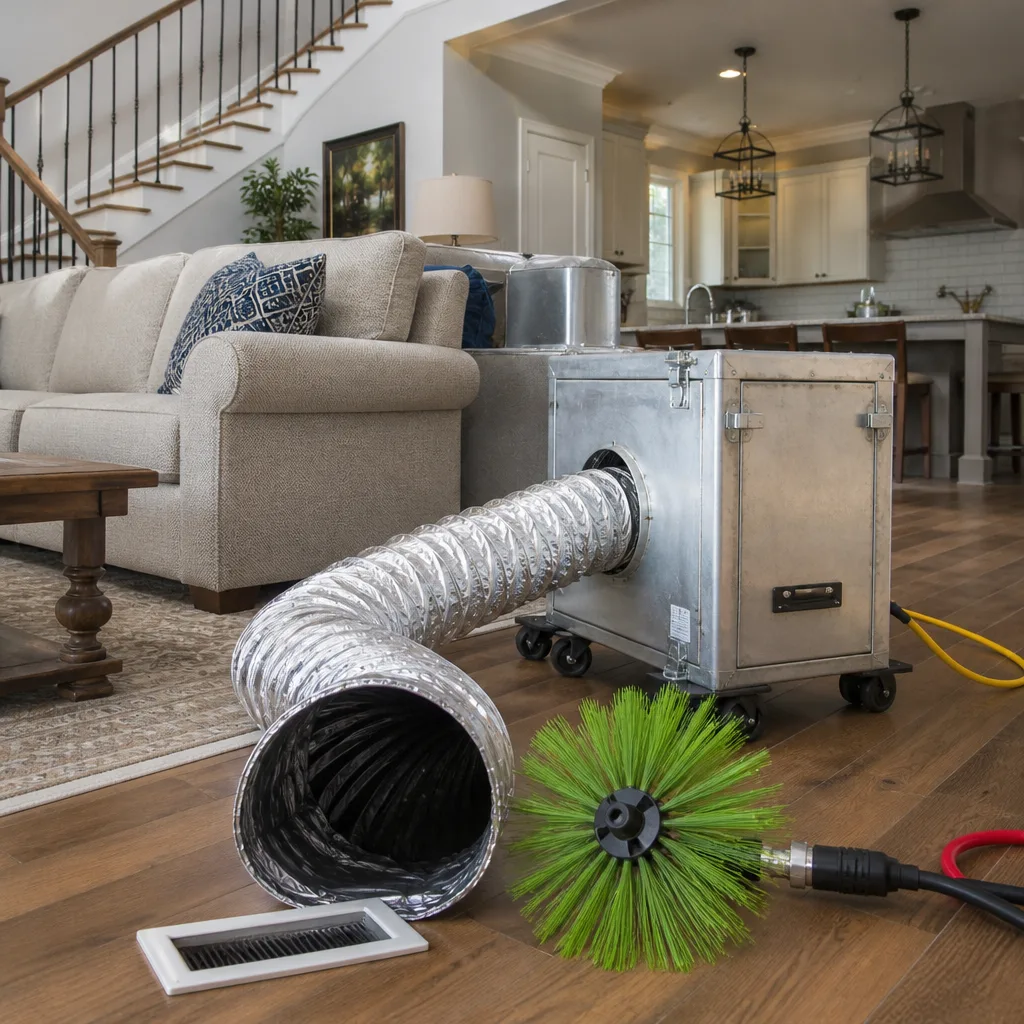 Whole-home duct cleaning
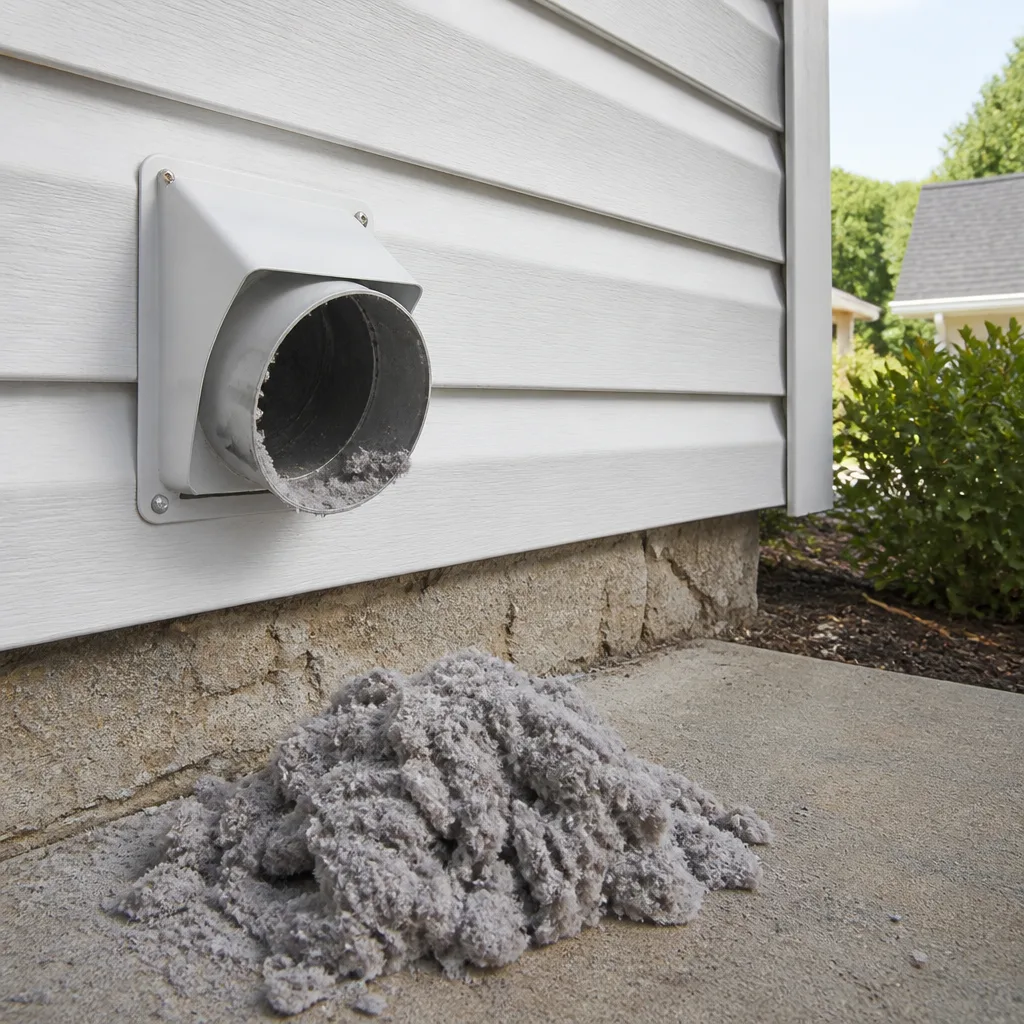 Dryer vent cleaning
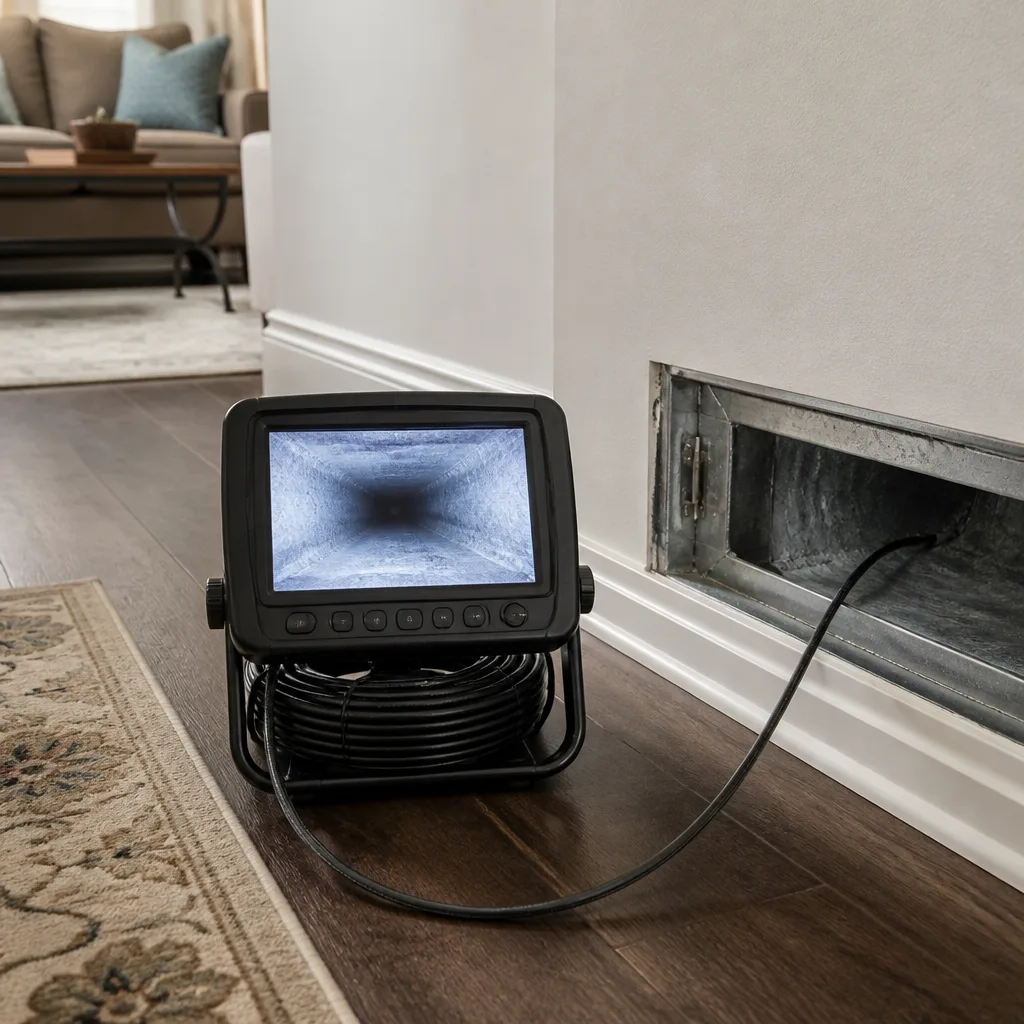 Camera inspection
 Sanitizing & deodorizing
Whole-system duct and dryer vent check with before-and-after photos - you see exactly what came out of your vents
That "$99 whole-house special" is a bait ad - the real number appears once they are in your hallway, or the "clean" is a shop-vac at the register. We photograph the inside of your ducts before and after instead.
Air Duct Cleaning Cost Breakdown: The Charlotte Homeowner’s Reference for 2026
Three quotes land in your inbox for the same house: $99, $375, and $950. It’s tempting to conclude the middle one is the honest number and the other two are playing games. In our experience the real gap comes from equipment cost, labor time, and scope. A $99 special typically buys a couple of hours of labor and a consumer-grade vacuum, and the equipment required to reach and remove what’s actually in your ductwork costs the operator more per job than that. A $950 job on a two-story Charlotte home with crawlspace flex runs may involve two air handlers, several hours of mechanical agitation, and remediation-grade capture. This reference walks through every line item so you can tell which quote is buying work and which is buying a receipt.
Quick Answer
Air duct cleaning in Charlotte typically runs roughly $300 to $500 for a straightforward single-system home, $500 to $800 for larger or two-system homes, and more when crawlspace access, long flex runs, or contamination add scope. The written estimate sets the final price, and the quote should be built from a scope of work rather than a square-footage formula. Anyone quoting a flat number before looking at your attic, crawlspace, and duct layout is guessing.
Styles & brands we work with
- Whole-home duct cleaning
- Dryer vent cleaning
- Camera inspection
- Sanitizing & deodorizing
Table of Contents
- What You’re Actually Paying For: A Line-Item Breakdown
- Why Square Footage Is a Bad Way to Price a Charlotte Duct Job
- What Charlotte Homeowners Spend: Cleaning Versus the Alternatives
- Legitimate Add-Ons Versus Upsells
- How to Compare Quotes by Scope, Not Price
- What the Equipment Cost Buys You
- When Cleaning Turns Into Repair
- Common Mistakes to Avoid
What You’re Actually Paying For: A Line-Item Breakdown
A legitimate duct cleaning job is a sequence of connected steps, and each one takes time. Here’s roughly how a full-system visit breaks down on a typical Charlotte home with two air handlers and routed flex duct:
- Inspection and access setup (20-40 minutes). The technician maps the system, identifies every supply and return, and opens access points at the plenum, trunk lines, and registers as needed. Cutting access where the manufacturer designed it saves time; improvising access on a sealed 1980s trunk takes longer.
- Negative pressure setup (15-30 minutes). The collection unit connects to the main trunk so the entire system stays under vacuum while work proceeds. This is the step that keeps dislodged debris from drifting into living space.
- Mechanical agitation, zone by zone (90-180 minutes). A rotary brush tool runs through each branch and trunk. Contact cleaning takes real time. A system with eight branches and one return is a two-hour job when done properly.
- HEPA extraction and final pass (30-45 minutes). The collection unit runs while agitation continues, then a final pass confirms the debris is captured rather than redistributed.
- Reassembly and sealing (20-30 minutes). Access points are closed, seams are sealed, and registers are reset. An access point left unsealed becomes a permanent leak feeding the attic.
- Documentation (10-15 minutes). Before-and-after photos of the actual system, plus a note of what was found. This is the deliverable most discount services skip entirely.
The total lands between three and six hours of labor. That’s the largest cost component, and it’s also where a cut-rate quote is usually cheapest: a blower-and-hose setup can run through a house in under an hour because it’s spraying air, not physically cleaning duct surfaces. Contact cleaning with a rotary system is slower by design.
Why Square Footage Is a Bad Way to Price a Charlotte Duct Job
If you’ve been quoted by the square foot, ask what the formula is. Then ask how the same formula prices a crawlspace home with two air handlers against a slab-foundation home of identical size.
It doesn’t. That’s the problem.
In Charlotte, foundation type changes the physics of a duct cleaning job more than square footage does. A crawlspace system routes flex duct under the floor, often with long runs, sagging sections, and junctions that take real effort to agitate. A home with two air handlers doubles the number of components to work, which is why a 2,000-square-foot house with two systems typically costs more than a 3,000-square-foot house with one.
Climate matters too. Charlotte’s long, humid summers keep air conditioning running for months, which is moisture and condensation season for the system. Older homes with the original unsealed ductwork see accumulation at the seams. Homes in Crawlspace-heavy pockets of neighborhoods like Plaza Midwood and the older streets near NoDa often run into exactly this.
Age, layout, and material all change the time estimate:
- System count: one air handler or two. Each adds a plenum and a coil to the scope.
- Duct material and sealing: a sealed 1990s duct system can be agitated quickly. An older system with loose seams eats labor.
- Access difficulty: crawlspace-only configuration versus attic runs versus a mix.
- Duct condition: intact flex versus damaged sections that require careful handling or repair.
- Contamination level: routine dust versus moisture-related buildup, which requires slower extraction and Abatement Technologies equipment.
What Charlotte Homeowners Spend: Cleaning Versus the Alternatives
Putting the cleaning price next to the alternatives makes the decision clearer, because deferring a cleaning isn’t free. It’s a bet against what the system is holding. Here are the typical estimated ranges for the work Charlotte homeowners commission:
| Service | Typical Estimated Range |
|---|---|
| Single-system cleaning | $300 – $500 |
| Two-system home, or crawlspace with long flex runs | $500 – $800 |
| Dryer vent cleaning | $125 – $225 |
| Add-on coil cleaning (per handler) | $100 – $200 |
| Duct repair (per section, based on extent) | Varies by scope |
| Mold remediation after a moisture problem | Significantly higher than routine cleaning |
| Full duct replacement | The highest-cost outcome of the four |
Those ranges are estimates drawn from the Charlotte market, not fixed prices. Anything involving access, two systems, or contamination will land at the top of a range or above it. The written estimate sets the final price.
The point of the comparison is not to scare you into booking something. It’s that a $400 to $600 cleaning done at the right interval is the least expensive path. Deferred cleaning in a humid climate allows moisture-related growth to take hold, and that’s where remediation cost starts entering the picture. Duct repair after neglect runs on the same logic. Age is the variable: an aged, sealed system being routinely cleaned is a different economic situation from a neglected system that needs air duct cleaning plus repairs.
Legitimate Add-Ons Versus Upsells
Not every add-on is a need, and a few are worth the cost when the diagnosis justifies them.
Worth it when the diagnosis justifies it
- Coil cleaning. The evaporator coil is a moisture-heavy component in Charlotte’s summer. If it’s fouled, coil cleaning is a real service with a real benefit.
- Dryer vent cleaning. A clogged dryer vent is a leading cause of residential fire, and it’s a straightforward job. Calling this legitimate isn’t marketing; it’s the one add-on with a safety case behind it.
- Sanitizer application after confirmed contamination. Only after a cleaning has addressed the source and the system has been verified as clean. Applying sanitizer to a dirty system just coats the debris.
- Filtration upgrades. Honeywell and Aprilaire products are a legitimate recommendation when the existing filter setup is undersized for the home. Mentioning them as an option is not the same as selling a product; be wary of a technician who insists on a specific brand on the spot.
Rarely worth the cost
- A spray-and-fog through the registers. Doesn’t reach duct surfaces. Photogenic, not effective.
- “Enzyme treatment” with no diagnostic basis. If no contamination has been confirmed, this adds nothing.
- UVC lights sold as a cleaning substitute. They’re a separate product with a separate purpose. Cleaning is still cleaning.
- Repeated re-visits packaged into a plan. Most residential systems don’t need annual treatment if the filtration is right. Ask what the re-visit will accomplish, and if the answer is “preventive,” fine. If there’s no answer, skip it.
How to Compare Quotes by Scope, Not Price
Here’s the practical part. When you have two or three quotes, don’t compare the totals. Compare the scope of work. A $300 quote that excludes agitation and access creation is a different service from a $600 quote that includes both.
Ask these questions and see which quote actually answers them:
- “What equipment will you use?” Look for a named rotary contact system and a HEPA-rated vacuum. “Professional-grade truck-mounted blower” alone is a red flag; blowers push air, they don’t clean surfaces.
- “How does the collection unit capture debris during the work?” The answer should involve negative pressure on the main trunk. If the reply is “we vacuum the registers,” it’s not the same job.
- “Will you open access points at the plenum and trunk, or just work through the registers?” Register-only work leaves the plenum and main trunk untouched, which is where most accumulation lives.
- “How long will the visit take?” An estimate under two hours on a two-system home tells you the scope.
- “How many systems does this price cover?” A quote that doesn’t specify one or two air handlers will surprise you at the invoice.
- “Will you provide before-and-after photos of my actual system?” Documentation is the single best evidence that the work was done.
- “Is anything priced per vent?” Per-vent pricing encourages skipping the plenum and the trunk. It’s a pricing model, not a scope.
Call (833) 962-6967 and ask these of anyone, including us. We answer 24/7. It’s the right test for any quote.
What the Equipment Cost Buys You
The single biggest difference between a $99 special and a $500 job is the equipment on the truck. This is the part of the quote most homeowners never see, and it’s worth understanding.
A Rotobrush contact-cleaning system is a rotary brush tool that physically agitates duct surfaces. It’s slow, it takes two hands, and it’s the only method that reaches the layer that has bonded to the duct wall. That’s the work that costs money.
A Nikro HEPA-rated vacuum is a capture system rated to hold fine particulate. Shop vacuums and consumer-grade collection units leak some of what they pick up back into the air, which defeats the purpose of the cleaning.
Abatement Technologies equipment is remediation-grade hardware, the kind used in restoration work. It enters the picture when a job involves more than routine dust: post-construction particulate, compromised duct sections, or moisture-related contamination.
Guardsman products are a finishing step. The work doesn’t stop at extraction; surfaces and components get handled with care after the cleaning is done.
What you’re paying for is not the brand label. It’s that the tools are matched to what the job actually requires. If the quote is $300 and the equipment list is a shop vacuum and a hose, you’ve learned what that quote covers.
When Cleaning Turns Into Repair
Cleaning reveals things. Loose seams, disconnected sections, torn flex, or sagging runs show up during agitation more often than they show up before. In our experience, a crawlspace system in an older Charlotte home is where the surprises cluster.
Ask yourself the honest question: if the technician finds a problem, who fixes it? A cleaning-only company will hand you a referral and you’ll start over with a second contractor, a second estimate, and a second schedule. Full-service work handled by the same crew cuts that loop short. We repair what we find, rather than handing you off.
Two related items: if your dryer vent is part of the visit, that work is a separate scope from the HVAC system, and dryer vent cleaning is one of the services we handle in-house. Second, if the cleaning turns into a full-system repair question, you want the estimate before the work begins, not after.
Common Mistakes to Avoid
- Buying the coupon price without asking what it covers. A $99 teaser usually covers a subset of visits at a smaller scope. Ask which parts of the system the visit reaches, and whether the plenum and trunk are included.
- Pricing the job by square footage. Two Charlotte homes of the same size can differ by hundreds of dollars because of foundation type, system count, and duct material. A quote that doesn’t ask about those is a guess.
- Accepting a quote without a written scope of work. If the estimate has one number and no detail, you can’t compare it to anything else. Ask for a list of the steps and what each covers.
- Assuming annual cleaning is required. It isn’t. The right interval depends on filtration, pets, occupancy, and whether recent work introduced dust. A technician who tells you that you must clean yearly is selling a plan, not a service.
- Skipping access and sealing details. An unsealed access hole is a permanent air leak. Ask what happens after the cleaning is finished to know the seams are closed.
- Treating dryer vent cleaning as an optional extra. A restricted dryer vent has a fire-safety case behind it that routine duct cleaning doesn’t.
- Not asking who fixes duct damage. The cleaning is the easy part of the visit to price. Repairs found mid-job are where costs can surprise you and where cheap quotes diverge from real ones.
- Not asking for documentation. “Trust us” is not the deliverable. Before-and-after photos of your system are.
See the difference
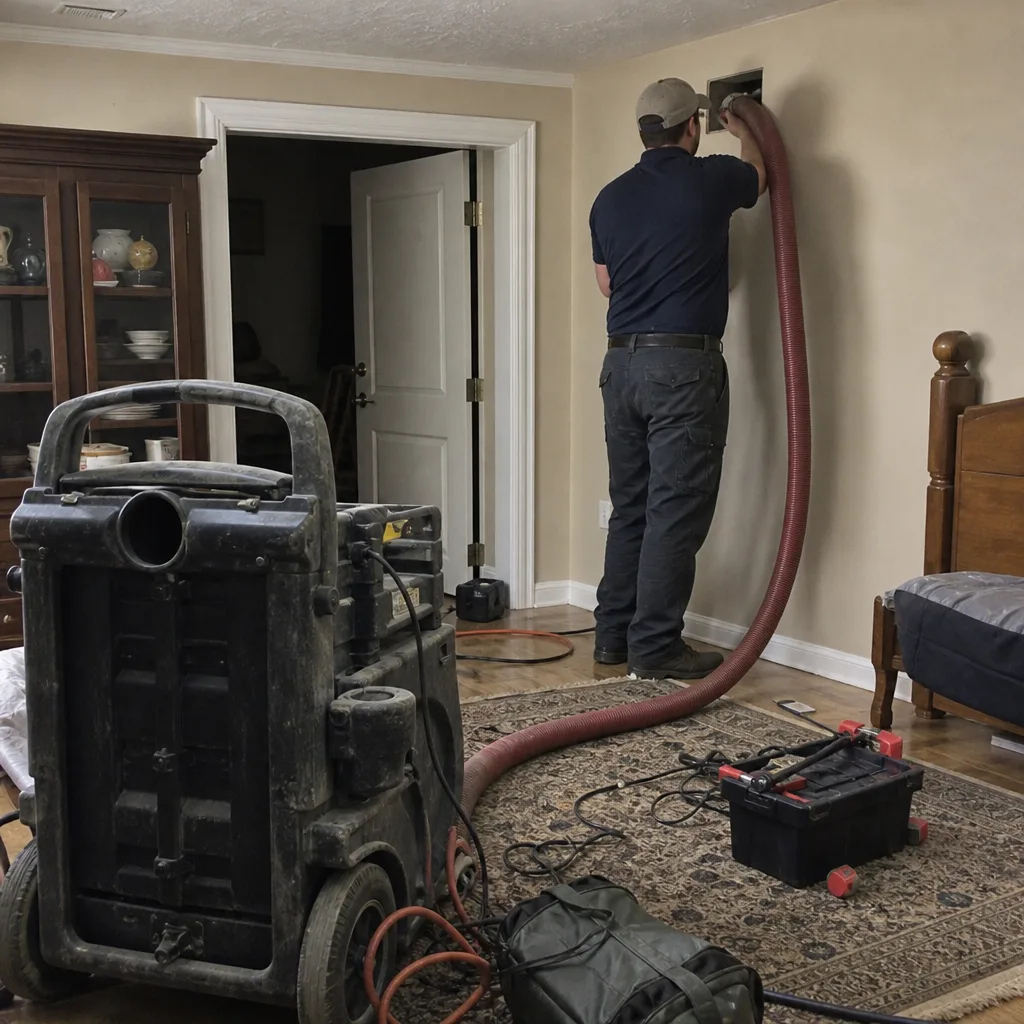 Before
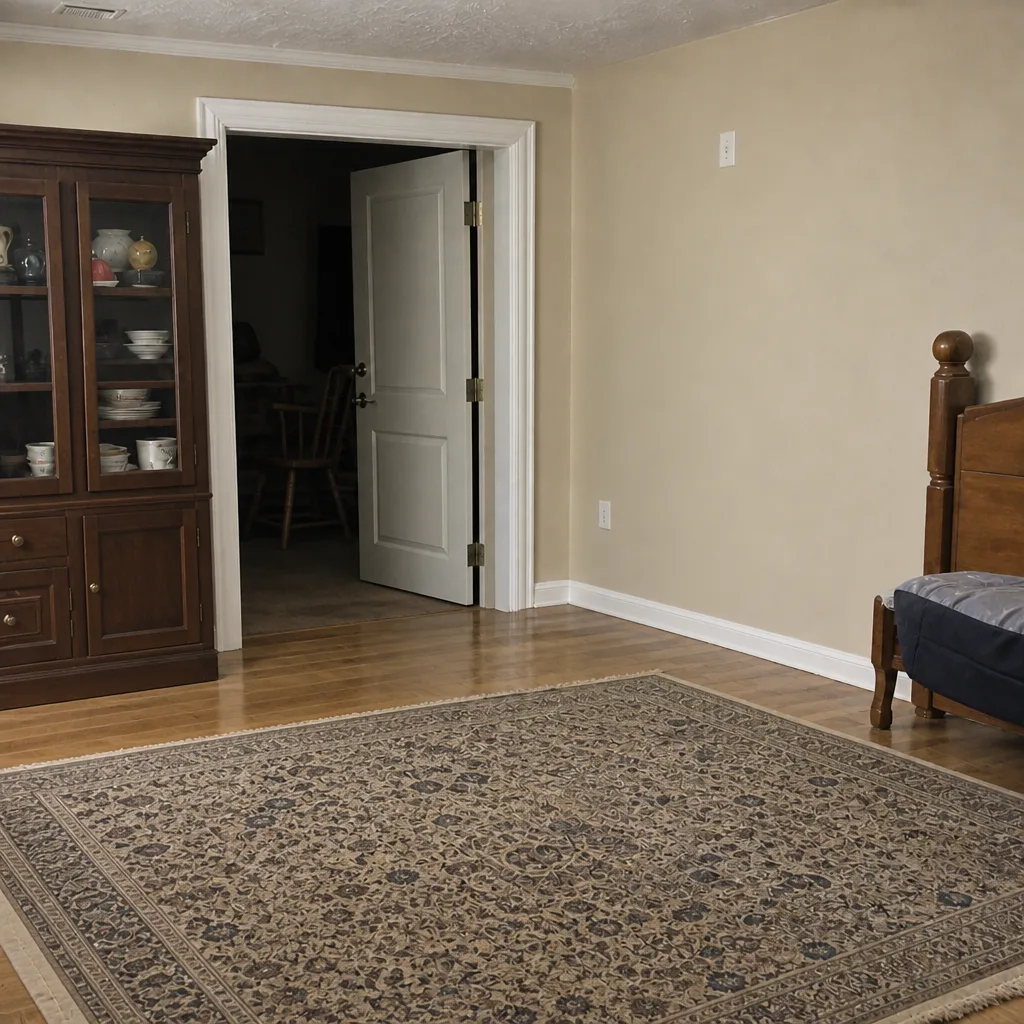 After
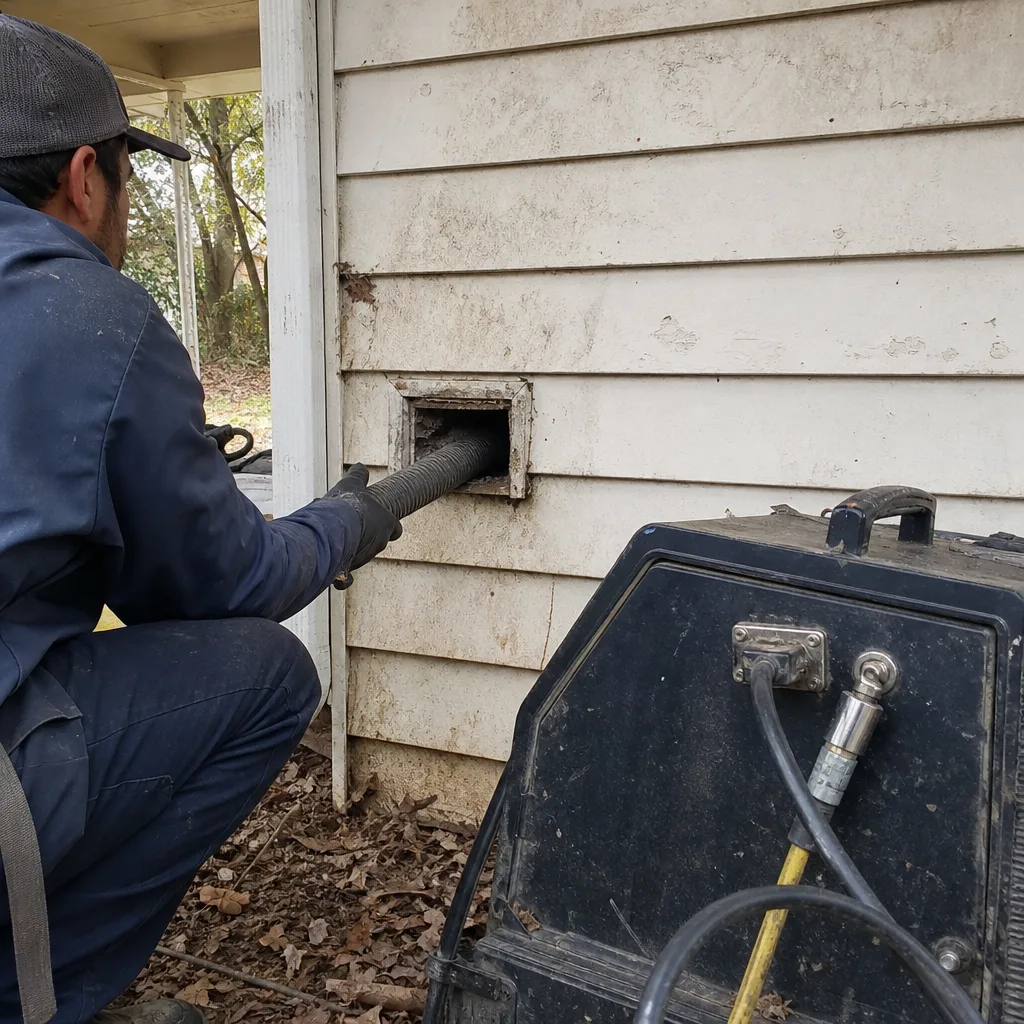 Before
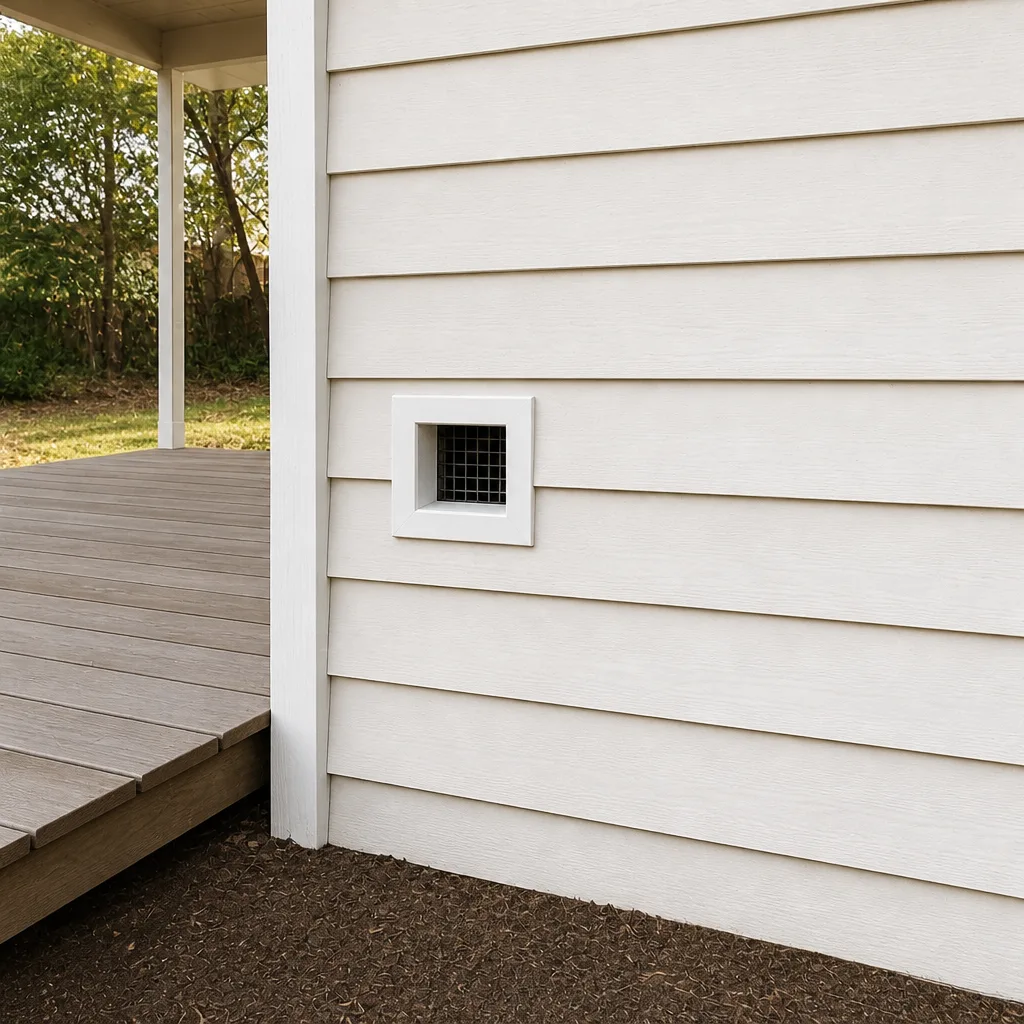 After
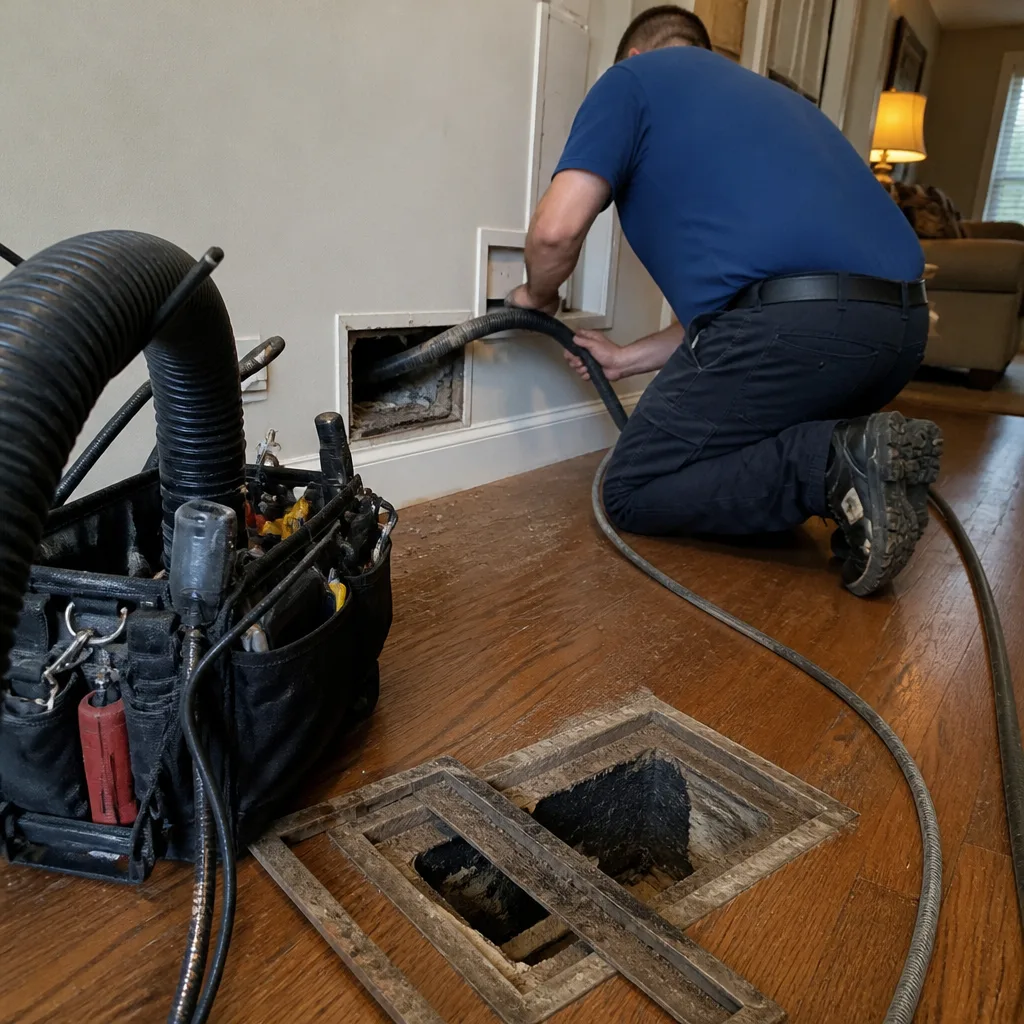 Before
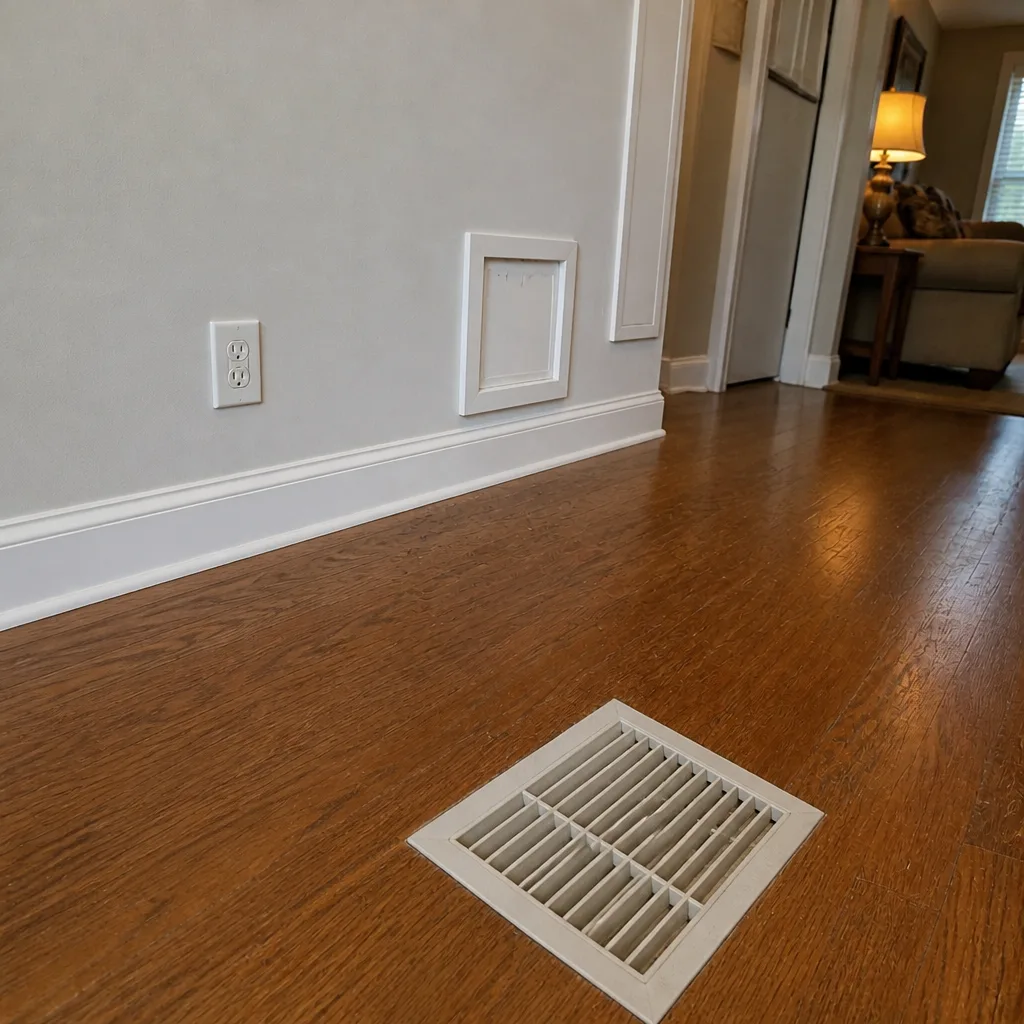 After
When to Call a Professional
Routine dust is a comfort issue, not an emergency. The conditions that justify a visit are specific: visible buildup at the registers, a noticeable increase in dust on horizontal surfaces after the system runs, musty odor when the air handler cycles, recent renovation or a major dust-generating project, pets in the home, or a dryer that’s taking two cycles to finish a load. Allergy-season flare-ups in Charlotte’s summer humidity are a plausible reason to look at the system. None of these require immediate action, but they’re the right triggers for an estimate.
Stratford Air Duct Cleaning is a duct-health specialist offering free estimates in Charlotte. Call (833) 962-6967. We answer 24/7. Fast dispatch from 7am to 7pm, Sunday through Friday. We’re closed Saturday.
Frequently Asked Questions
Most Charlotte jobs fall between roughly $300 and $500 for a single-system home and $500 to $800 for a two-system home or one with crawlspace flex runs. Anything with contamination or repair scope goes higher, and the written estimate sets the final price. The number that matters is the scope behind it, not the total. Call (833) 962-6967 for a free estimate and a clear scope.
Cheap quotes are usually covering less: shorter visits, fewer steps, or equipment that agitates less. A blower-and-hose setup can be done quickly because it doesn’t reach the duct wall. A rotary contact system takes longer, and the operator’s equipment cost per job is higher too. Ask every quote to list its steps. If it can’t, the price has an asterisk on it.
Ask for before-and-after photos of your own system, plus the plenum and trunk opened for inspection. Documentation is the difference between a service and a visit. If a company can’t or won’t produce photos of your ducts, ask yourself what the invoice is really documenting.
Most homes don’t need annual cleaning. The right interval depends on filtration, pets, occupancy, and whether recent work generated dust. In our experience a well-filtered single-family home can go years between cleanings, while a home with pets and a poorly-sealed crawlspace system may need attention sooner. Let the condition of the system drive the schedule.
It’s a separate service, but a visit that covers both the HVAC system and the dryer vent is a sensible way to handle two related maintenance items in one stop. The dryer vent has a fire-safety case behind it that routine duct cleaning doesn’t, so it’s worth taking seriously on its own.
We repair what we find, using the same crew. Disconnected sections, torn flex, and loose seams are visible during agitation more often than before it. If the job changes shape, you get the repair scope and estimate before any work continues. Call (833) 962-6967 and we’ll walk through it.
The Bottom Line
The price gap between quotes isn’t the whole story; the scope behind each price is. A legitimate duct cleaning involves several hours of labor, a rotary contact tool, and HEPA-rated capture. A cheap visit skips some of that. In Charlotte, crawlspace foundations, long flex runs, and double air handlers make the job harder than square footage suggests, which is why a scope-based quote beats a formula every time. Get two or three estimates, compare the steps behind each number, ask for your own before-and-after photos, and know that the written estimate sets the final price.
Stratford Air Duct Cleaning offers free estimates in Charlotte and the surrounding area. Call (833) 962-6967. We answer 24/7. Fast dispatch from 7am to 7pm, Sunday through Friday. We’re closed Saturday. If you’re further out around Locust, you can reach that team through Locust at the same number.
Written by the team at Stratford Air Duct Cleaning, serving Charlotte since 2017.