
Last updated November 14, 2026
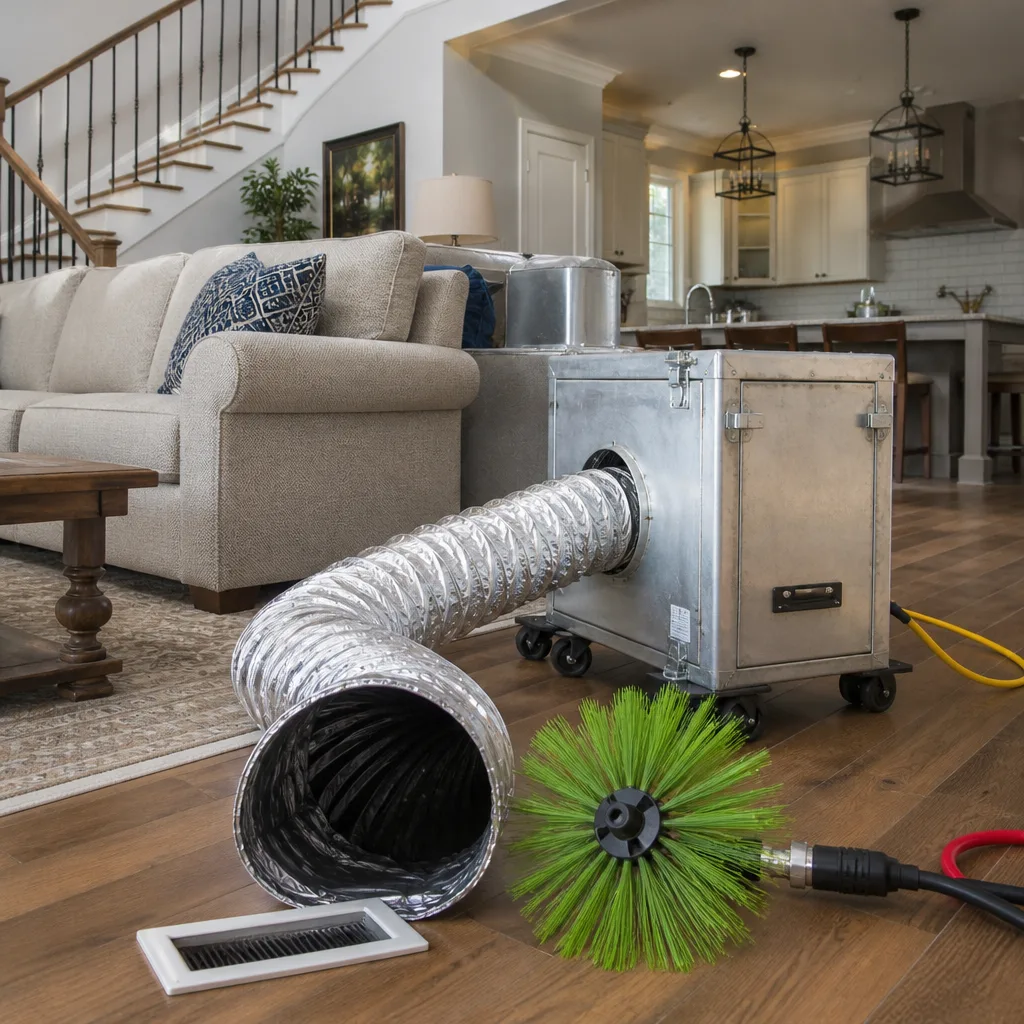 Whole-home duct cleaning
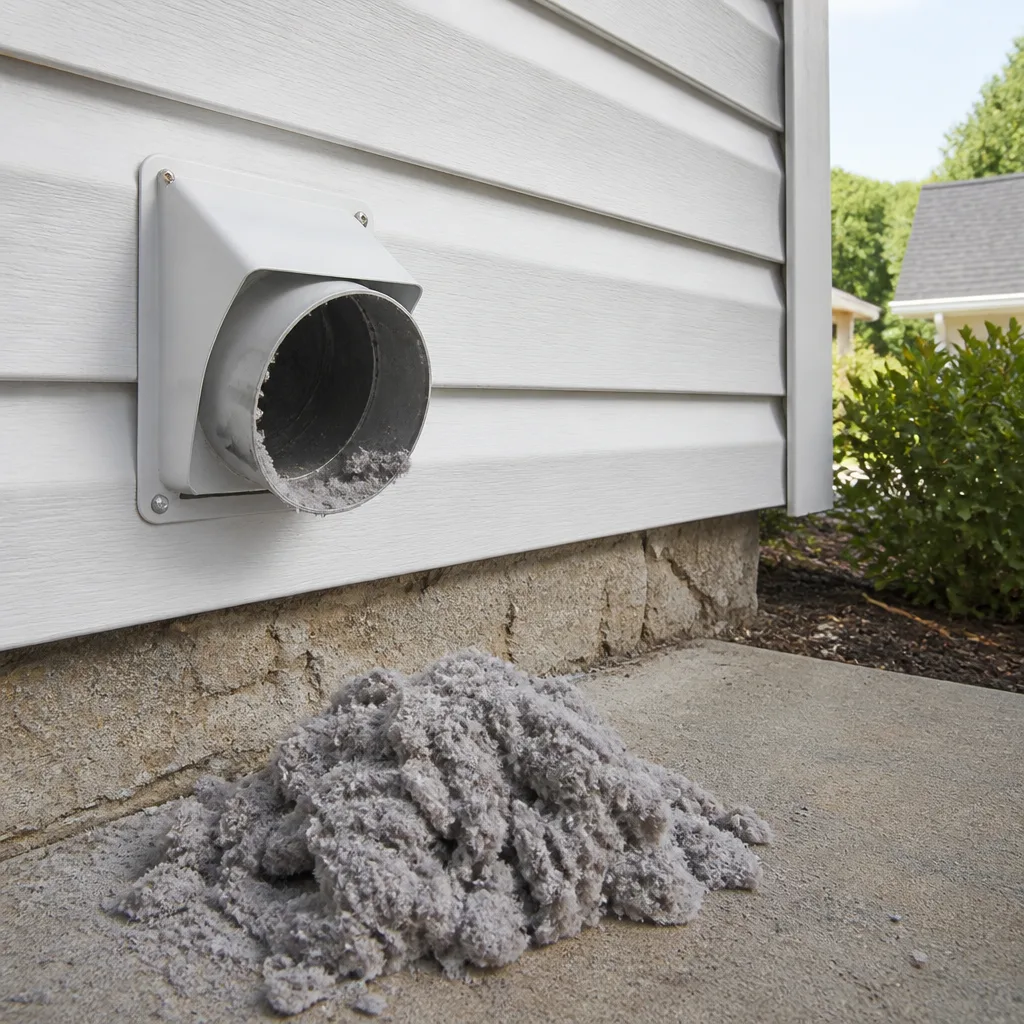 Dryer vent cleaning
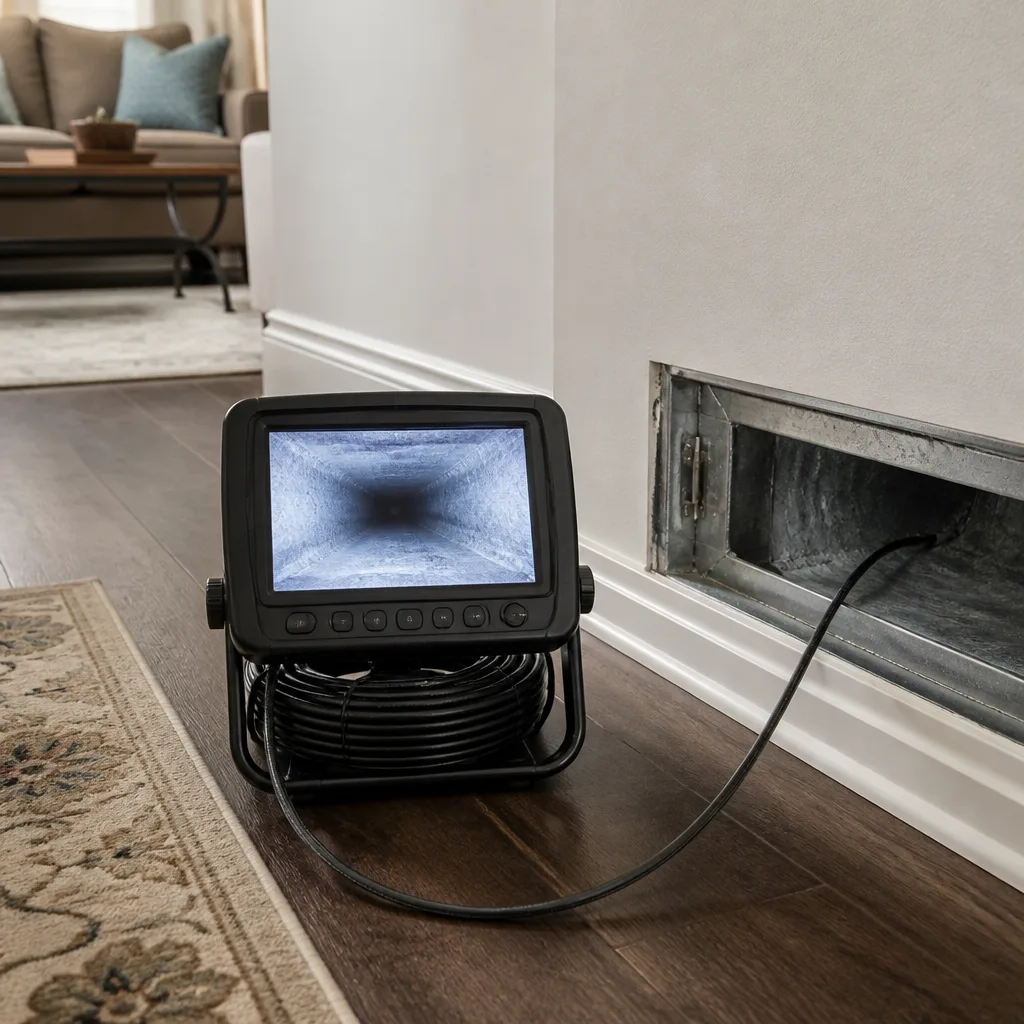 Camera inspection
 Sanitizing & deodorizing
Whole-system duct and dryer vent check with before-and-after photos - you see exactly what came out of your vents
That "$99 whole-house special" is a bait ad - the real number appears once they are in your hallway, or the "clean" is a shop-vac at the register. We photograph the inside of your ducts before and after instead.
DIY vs Professional Air Duct Cleaning: The Charlotte Homeowner’s Decision Guide
Pull up almost any DIY air duct cleaning guide and it recommends the same thing: a shop vac, a long hose, and a brush attachment snaked through the register. It sounds sensible. But that setup generates roughly a twentieth of the suction a professional system produces, which means you’re stirring up dust, pet hair, and construction grit without the extraction pressure to pull any of it out of the system. The debris doesn’t disappear. It just moves and settles somewhere else in the system you can’t see. This guide explains what’s actually happening inside those ducts, what you can genuinely handle on your own, and where a Charlotte homeowner crosses the line from maintenance into making things worse.
Quick Answer
Professional air duct cleaning is the right call for source removal, meaning getting the debris physically out of the ducts and off the system. Consumer equipment can’t produce the negative pressure required to extract contamination, so DIY cleaning mostly displaces it. What homeowners can reasonably do between professional visits is clean the register faces, wash return grilles, handle the dryer vent cap, and choose better filters. For post-renovation debris, mold, rodent intrusion, or a home with unknown duct history, call a professional.
Styles & brands we work with
- Whole-home duct cleaning
- Dryer vent cleaning
- Camera inspection
- Sanitizing & deodorizing
Table of Contents
- Why Duct Cleaning Is a Physics Problem, Not an Effort Problem
- What Consumer Equipment Actually Generates
- What Homeowners Can Legitimately Do Themselves
- When DIY Makes Contamination Worse
- When Professional Cleaning Is Non-Negotiable
- DIY Maintenance Between Professional Visits
- How to Choose a Duct Cleaner in Charlotte
- Common Mistakes to Avoid
- When to Call a Professional
Why Duct Cleaning Is a Physics Problem, Not an Effort Problem
The thing nobody tells you about duct cleaning is that it’s less about scrubbing and more about air movement. Source removal, which is the standard the industry actually works toward, means capturing the contaminant and taking it out of the system entirely. That requires negative pressure: a pressure differential that keeps the debris moving toward the collection point instead of drifting sideways into a nearby run. Airflow gets measured in cubic feet per minute (CFM), and static pressure tells you how hard the system is pushing or pulling. A professional setup puts the whole duct network under negative pressure before any contact cleaning begins, so the moment a brush loosens buildup, the loosened material gets pulled toward the vacuum instead of into the room.
On its own, agitation doesn’t clean anything. It just releases material from the duct wall. If the extraction side can’t keep up with what the brush breaks loose, the contamination redistributes through the system and, in some cases, into the living space. That’s the whole ballgame. In Charlotte’s older neighborhoods, where homes often run ductwork through unconditioned attic space and summer humidity hovers heavy for months, that redistributed debris picks up moisture and turns into a real nuisance rather than a light dust film.
This is why a trained crew starts with pressure and airflow before the first rotary brush goes in. It’s the difference between removing contamination and simply moving it around.
What Consumer Equipment Actually Generates
Here’s the honest comparison. A shop vac moves somewhere in the neighborhood of a fraction of the airflow that a professional rotary system paired with a high-capacity vacuum produces. Truck-mounted or high-volume portable units are built to hold an entire duct network at negative pressure while cleaning happens. A shop vac is built to pick up a bit of debris from a floor a few inches away. Those are not the same job, and no amount of patience bridges the gap.
What the professional side actually looks like
- Contact cleaning with Rotobrush. A rotary whip runs the full length of the duct, physically scrubbing the interior walls rather than blowing air through them. Named method, named tool.
- HEPA-rated extraction with Nikro. The standard here isn’t “we vacuum,” it’s capture. A HEPA-rated system holds fine particulate instead of pushing it back into the air. Standard shop vacuums are not built to that standard and can release the finest particles back into the room while they run.
- Remediation-grade kit from Abatement Technologies. This is the equipment category used when the ducts are contaminated, not just dusty. Mold, post-construction particulate, debris from a compromised section. It’s the reason we keep it on hand.
- Guardsman treatment. A finishing-and-protection step. The work doesn’t stop at extraction, because duct surfaces and system components get treated after the cleaning.
Homeowners in Charlotte who’ve had a vague quote from a discount service and wondered what they actually paid for deserve to know which of these steps they’re getting. Asking that question is fair, and a professional operation should be able to answer it plainly.
For a closer look at what a proper cleaning involves on the professional side, our air duct cleaning page walks through the process step by step.
What Homeowners Can Legitimately Do Themselves
There’s a real list here. We’re not going to tell you the only safe thing to do is call. Between professional visits, a homeowner can handle several maintenance tasks that genuinely help and pose no risk to the system or the ducts.
- Clean the register faces and grille slots. Dust settles on the visible faces of supply registers constantly. Wiping them down regularly keeps that layer from getting pulled back into the airflow.
- Wash the return grilles. Return grilles accumulate more dust than supply registers because the air moving through them is unfiltered on its way back. Pop them off and rinse them. This is one of the highest-value, lowest-effort tasks on the list.
- Disconnect and clear the dryer vent’s exterior cap. Lint collects at the flap and eventually blocks it. Pull the cap, clear the flap and screen, and confirm the vent flapper opens freely. This is basic safety maintenance, not duct cleaning.
- Choose a better filter. A well-selected filter does the upstream work that keeps ducts cleaner longer. This is where familiar products like Honeywell and Aprilaire come in, because the filtration spec matters more than the brand name on the box.
- Keep an eye on visible buildup. If you can see a heavy dust mat forming on a grille or register collar, note where and mention it at your next professional visit. Observation isn’t cleaning, but it’s useful information.
Charlotte homes often have a mix of older rigid duct sections and flexible runs to reach the far side of a generous floor plan. The visible register and grille side is genuinely DIY territory. The interior of the duct is not.
When DIY Makes Contamination Worse
Most DIY duct cleaning advice is well-intentioned and still wrong in specific situations. The most common one: agitating debris in a system without adequate extraction. Running a brush or shop vac hose into a duct loosens material from the walls, but the shop vac can’t hold the system under negative pressure, so the loosened debris drifts downstream and settles in a different run or gets pulled into the return side, where it can cycle through the blower and back into the living space.
The second one is a bigger concern. Disturbing duct sections with structural damage. If a duct run has a disconnected joint, a compressed flexible section, or a taped seam that’s given up, running a cleaning tool through it can make the problem worse. The tool snags on a lifted edge, or the agitation widens an existing gap, and now you have what contractors call duct leakage: unfiltered attic or crawlspace air pulled into the system every time the blower runs. That’s a duct repair job where there was a duct cleaning job. In Charlotte’s climate, where a connected run through an unconditioned attic pulls in hot, humid air all summer, the consequences show up on the energy bill before they show up anywhere else.
That’s why we repair what we find. A trained technician who spots a compromised section during cleaning can flag it and address it as part of the visit rather than leaving it for a second call. A homeowner with a shop vac has no way to know the difference between a solid duct and one that’s about to come apart.
When Professional Cleaning Is Non-Negotiable
There are four scenarios where DIY intervention should stop before it starts. Each one involves contamination the homeowner can’t safely assess, let alone extract with consumer gear.
1. Post-renovation debris
Drywall dust, sawdust, and construction grit from a remodel or addition get pulled straight into the return system and settle throughout the ducts. This material is fine, abrasive, and it doesn’t come out with a shop vac. It takes HEPA-standard capture and contact cleaning from end to end.
2. Confirmed mold
If you’ve seen visible mold growth inside a duct or around a register collar, that’s a remediation-level problem, not a cleaning problem. It requires the equipment standard used for contaminated duct work, which is why we keep Abatement Technologies gear available. This is also where we’re careful to be honest: we can handle contaminated duct environments, and we’ll be straight with you about what the situation calls for.
3. Rodent intrusion
Rodents use duct runs and crawlspaces as highways and nesting sites. The debris they leave behind is a contamination concern that needs professional extraction, not a brush on a shop vac hose.
4. A newly purchased older home with unknown duct history
In a city with as many established neighborhoods as Charlotte, a lot of homes change hands with no record of when the ducts were last cleaned, or whether they ever were. A professional assessment establishes a baseline. From there, you know what you’re maintaining.
DIY Maintenance Between Professional Visits
A professional cleaning resets the system. What extends that result is the maintenance that happens between visits, and this is where homeowners can do real work without professional equipment.
- Stick to a filter schedule. A filter that’s loaded up restricts airflow and pushes the system to work harder. If you haven’t swapped it in a while, that’s the single highest-impact thing you can do this week.
- Keep the return grilles clean. Rinse them regularly. Every bit of dust you catch at the grille is dust that doesn’t enter the duct in the first place.
- Clear the dryer vent cap. The exterior flap needs to open freely. Lint buildup at the cap is a fire-safety concern, not just a performance one, and this is exactly the kind of maintenance a homeowner should own.
- Watch for signs of duct leakage. Rooms that never seem to get comfortable, whistling at register seams, or visible gaps in attic duct runs are worth noting. Mention them so they can be checked and, if needed, repaired by the same team that cleaned.
- Time your professional cleanings around big events. A renovation, a move-in, or a new pet is a natural marker. Cleaning after big dust events and then maintaining in between is the rhythm that holds.
Many towns in the region have their own local quirks in housing stock, from older construction in Locust to newer builds in outlying Charlotte neighborhoods, so the maintenance rhythm should match the home.
How to Choose a Duct Cleaner in Charlotte
The market for duct cleaning in Charlotte includes a lot of operators, and the range in quality is wide. A few questions separate a real cleaning operation from one that shows up, runs a blower through the system, and calls it done.
- Ask what equipment they use. A named system, like a Rotobrush rotary contact tool paired with a HEPA-rated vacuum, tells you they’re set up for source removal. “We use a big truck-mounted vacuum” without more detail is worth pressing on.
- Ask whether they clean and repair. If a technician finds a compromised duct section, someone has to fix it. Ask whether that’s handled in-house or referred out.
- Ask how the work is documented. Photo documentation of before and after states is standard for anyone who stands behind their work.
- Ask whether they handle dryer vents and duct repair. One team covering the full duct-health picture means you’re not tracking down a second contractor for a related problem.
- Ask about filtration recommendations. Familiarity with brands like Honeywell and Aprilaire is a signal they think about whole-home air quality, not just a one-time extraction.
We’ve built Stratford Air Duct Cleaning around the equipment standard used in professional remediation work, and we’re glad to have that conversation before you commit to anything. For homeowners who want the dryer vent side handled at the same visit, the details are on our dryer vent cleaning page.
Common Mistakes to Avoid
- Assuming a shop vac is a duct cleaning tool. It generates a small fraction of the airflow required for source removal. Running one into a duct mostly moves debris around.
- Cleaning the supply side only. The return side carries just as much contamination, often more. A cleaning that skips the returns isn’t a cleaning.
- Pushing a brush through a duct with visible damage. If a seam is separated or a flex run is crushed, agitation can make it worse. Have it assessed first.
- Ignoring the dryer vent. It’s often treated as an afterthought, but lint buildup at the cap is a known fire-safety concern. It deserves its own attention.
- Skipping the filter. A loaded filter undermines the value of every other maintenance step. Filter changes are cheap and effective.
- Choosing on price alone. The cheapest quote is often cheapest because something gets left out, whether it’s the return side, the extraction standard, or the documentation.
- Treating one professional cleaning as a permanent fix. Ducts collect dust continuously. Cleaning resets the system. Maintenance holds it.
When to Call a Professional
If you’ve had a renovation, found visible mold in a duct, had rodents in the crawlspace or attic, or recently bought an older Charlotte home with unknown duct history, that’s a professional job from the start. Similarly, if you can see a heavy dust mat on a return grille or notice a gap in a visible duct run, have it looked at before you run a cleaning tool through it.
Stratford Air Duct Cleaning offers free estimates in Charlotte. Call (833) 962-6967. We answer 24/7. Fast dispatch from 7am to 7pm, Sunday through Friday. We use contact cleaning with Rotobrush and HEPA-rated extraction with Nikro on every job, and we repair what we find rather than referring it out.
See the difference
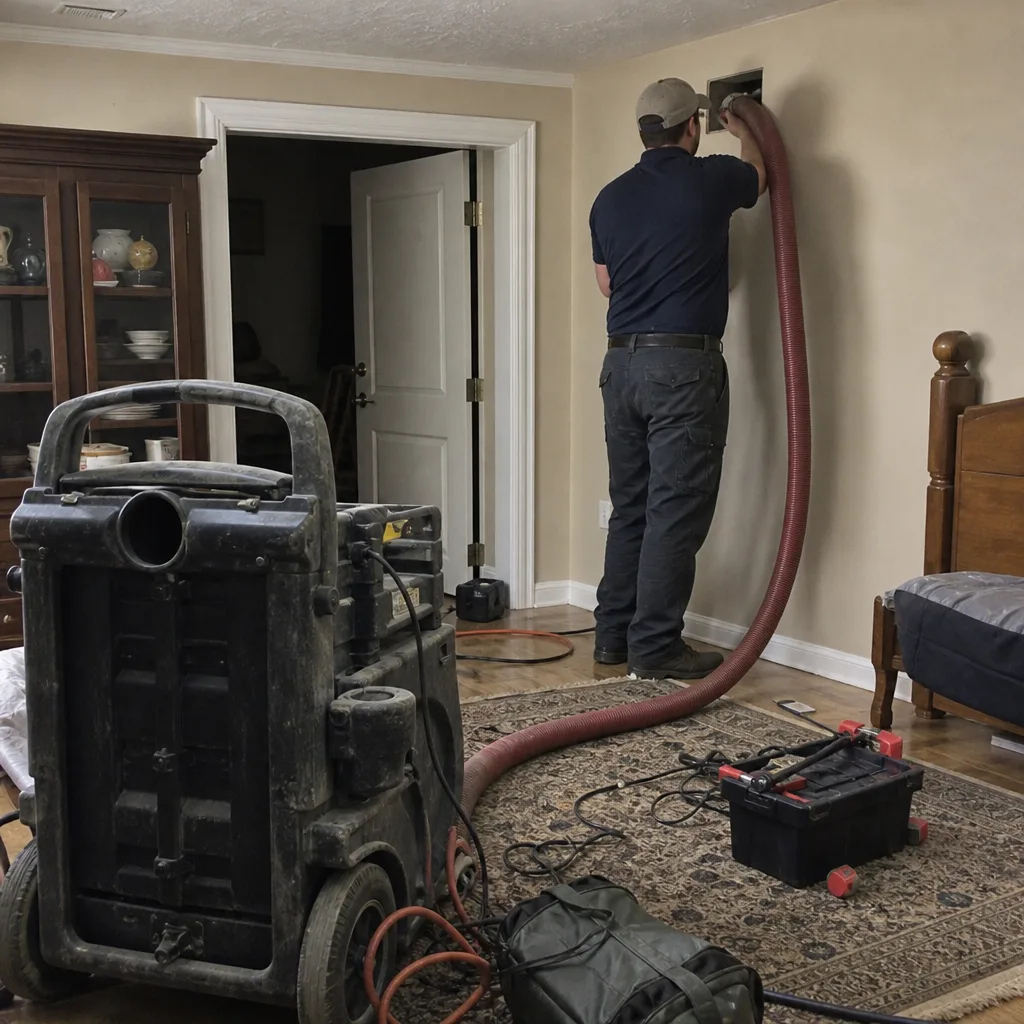 Before
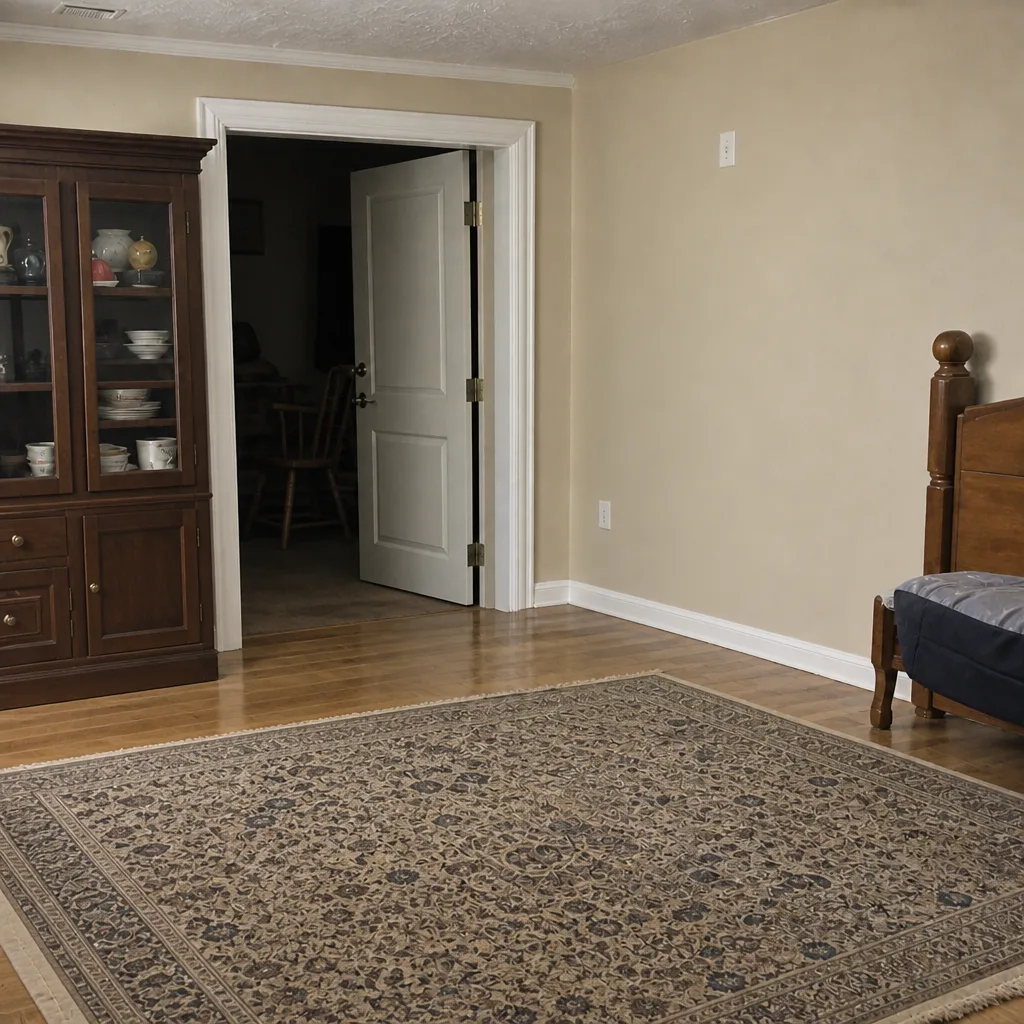 After
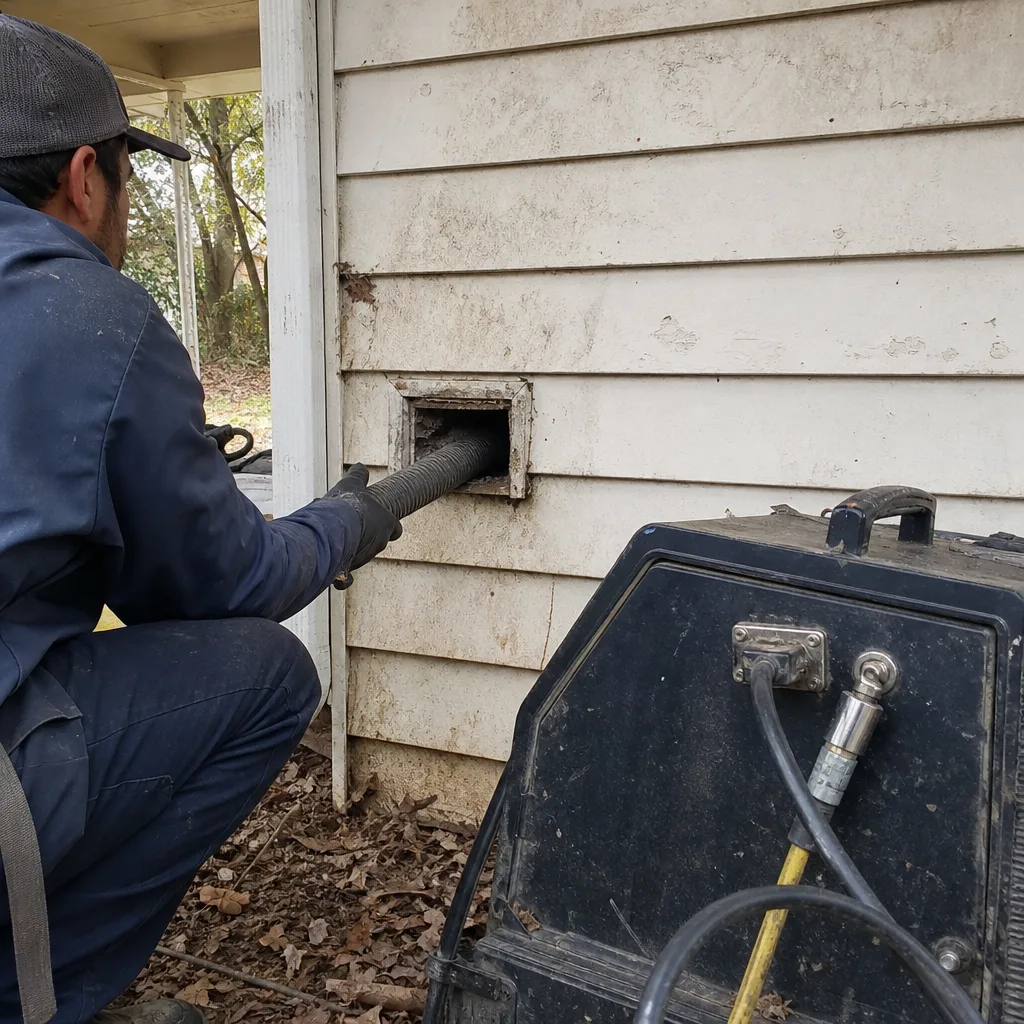 Before
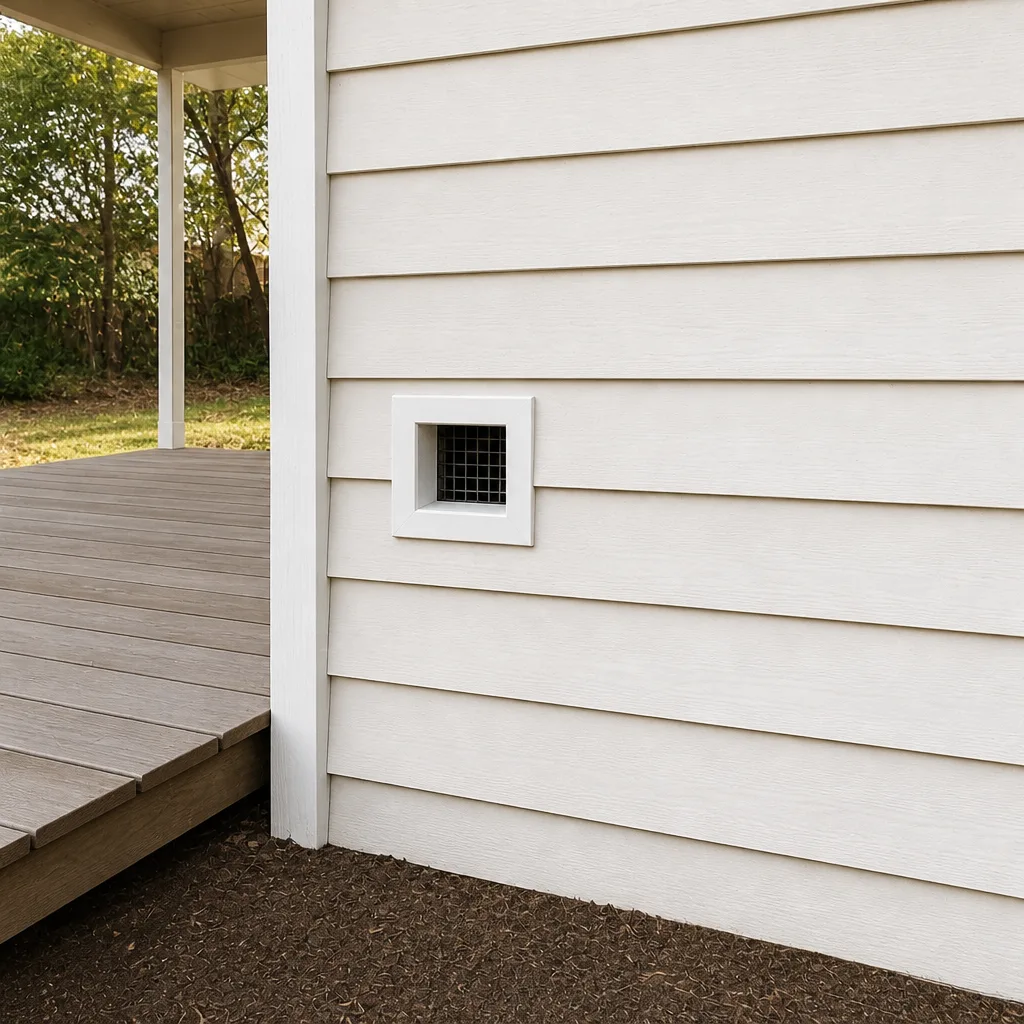 After
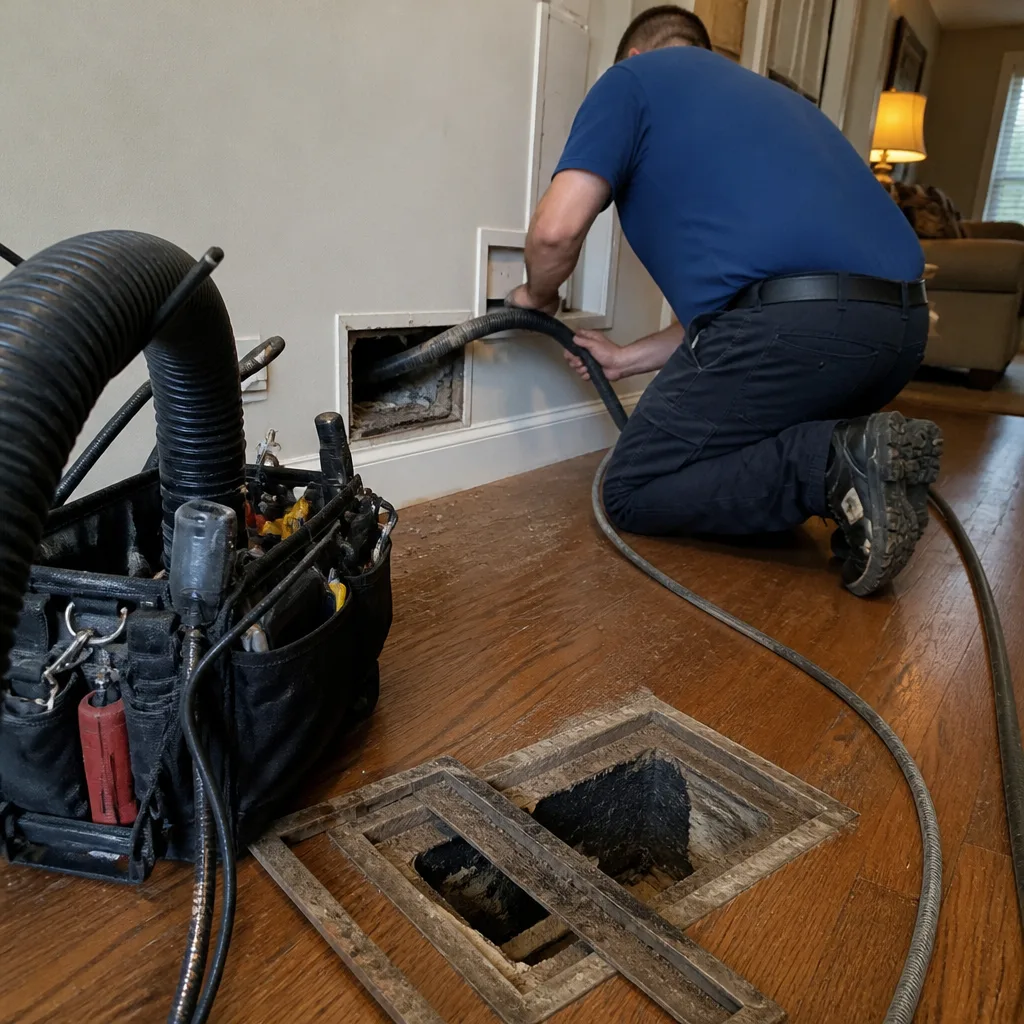 Before
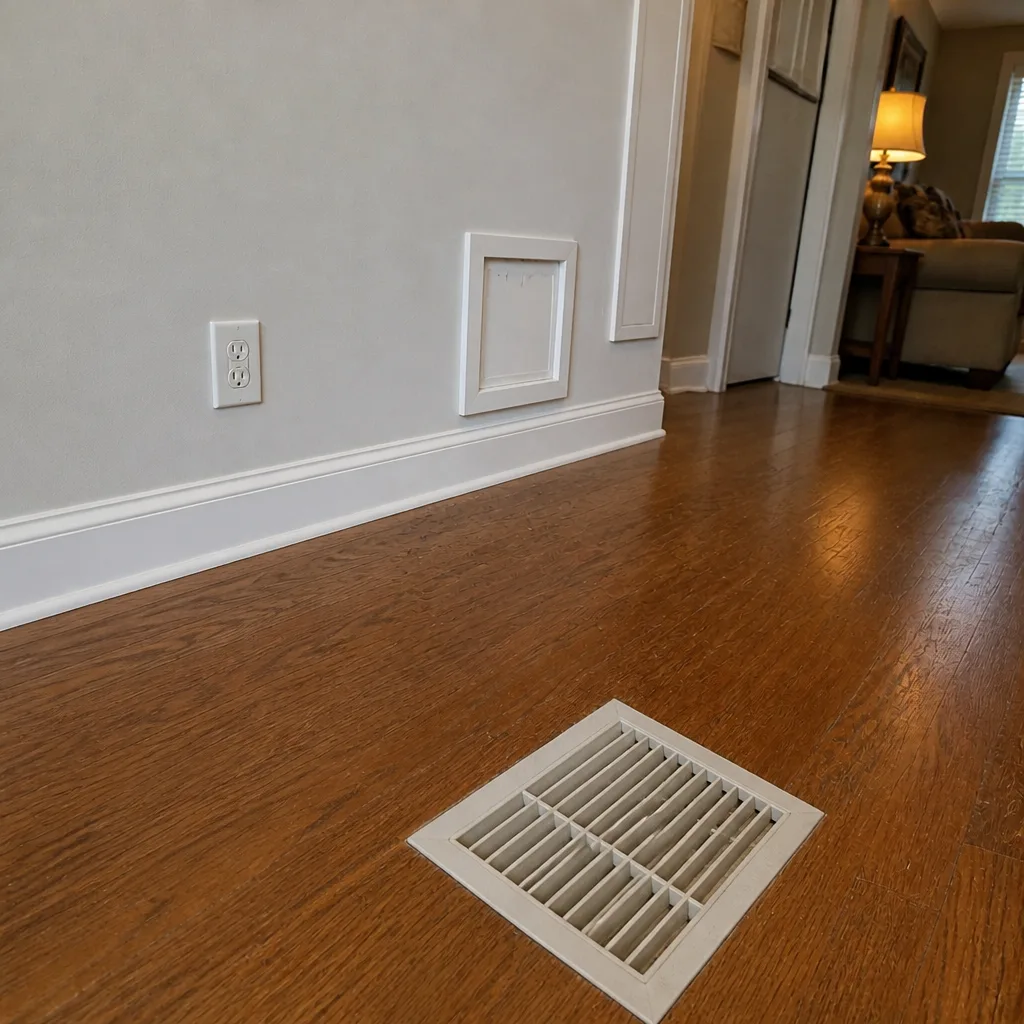 After
Frequently Asked Questions
You can clean the visible register faces and return grilles with a shop vac, but you can’t achieve source removal inside the duct system. A shop vac generates nowhere near the negative pressure needed to extract debris the way a professional system does, so what happens inside the duct is displacement rather than removal.
Ducts typically need professional cleaning every few years in a typical Charlotte home, and more often after a renovation, a pet addition, or a move into an older property. Keep the filters changed and the return grilles clean in between, and let a professional establish the baseline if the home’s duct history is unknown. Call (833) 962-6967 for a free estimate.
Professional duct cleaning is worth it when it’s done as source removal with proper equipment, and it’s a waste when it’s a blower run through the system with no real extraction. The difference is the method and the tools. Ask what equipment a company uses before you book. Call (833) 962-6967 and we’ll explain what a visit involves.
Airflow capacity, mainly. Consumer vacuums move a small fraction of the air that a professional rotary system paired with a high-capacity vacuum does, and only the professional setup can hold an entire duct network under negative pressure during cleaning. That’s what makes source removal possible.
Yes. Construction dust is fine, abrasive, and distributed throughout the return system by the blower during the project. It won’t come out with consumer equipment. A professional cleaning after drywall work is finished, before the first full heating season, keeps that material out of the system. Call (833) 962-6967 for a free estimate.
It can, because agitation without adequate extraction spreads spores and debris through the system rather than removing them. If you see visible mold in a duct or around a register collar, don’t run a brush through it. Have it assessed. Call (833) 962-6967 and we’ll talk through what the situation calls for.
The Bottom Line
The DIY vs professional question isn’t really about whether you’re handy enough. It’s about whether the equipment generates the negative pressure that source removal requires. A shop vac doesn’t, and no brush attachment fixes that. What homeowners can do well is maintain the visible side: clean the registers, wash the return grilles, clear the dryer vent cap, and change the filter on schedule. What they can’t do safely is extract contamination from inside a compromised or contaminated duct system. For post-renovation debris, mold, rodents, or a home with unknown duct history, call (833) 962-6967. We answer 24/7. Fast dispatch from 7am to 7pm, Sunday through Friday. Estimates are free.
Written by the team at Stratford Air Duct Cleaning, serving Charlotte since 2017.