
Last updated November 14, 2026
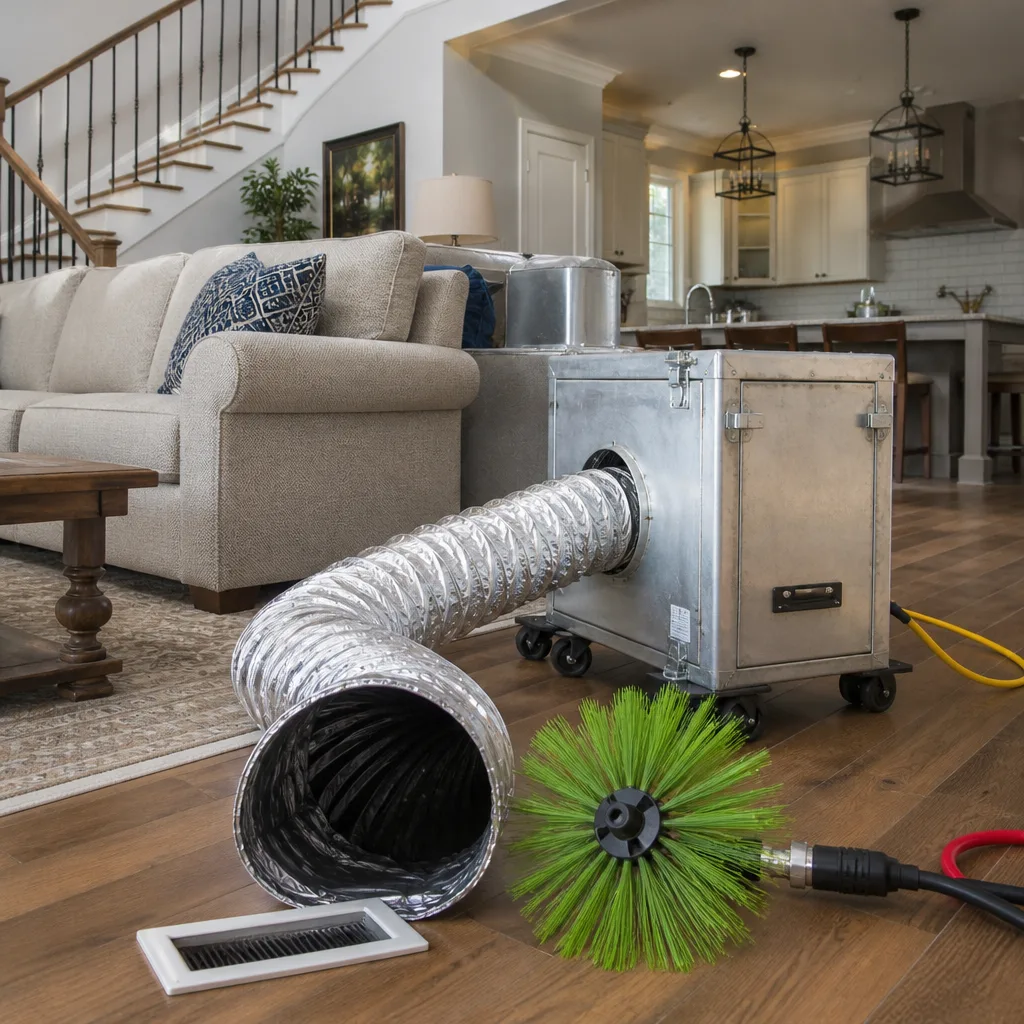 Whole-home duct cleaning
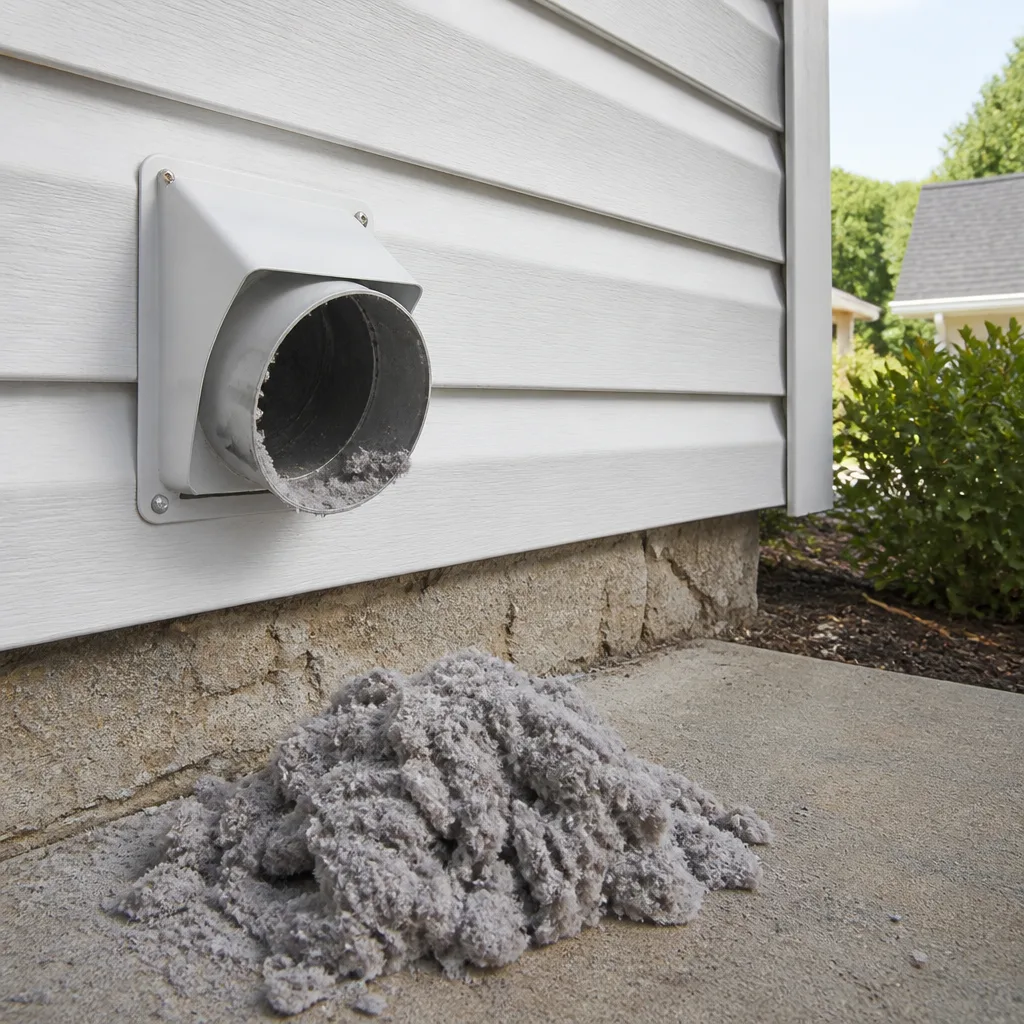 Dryer vent cleaning
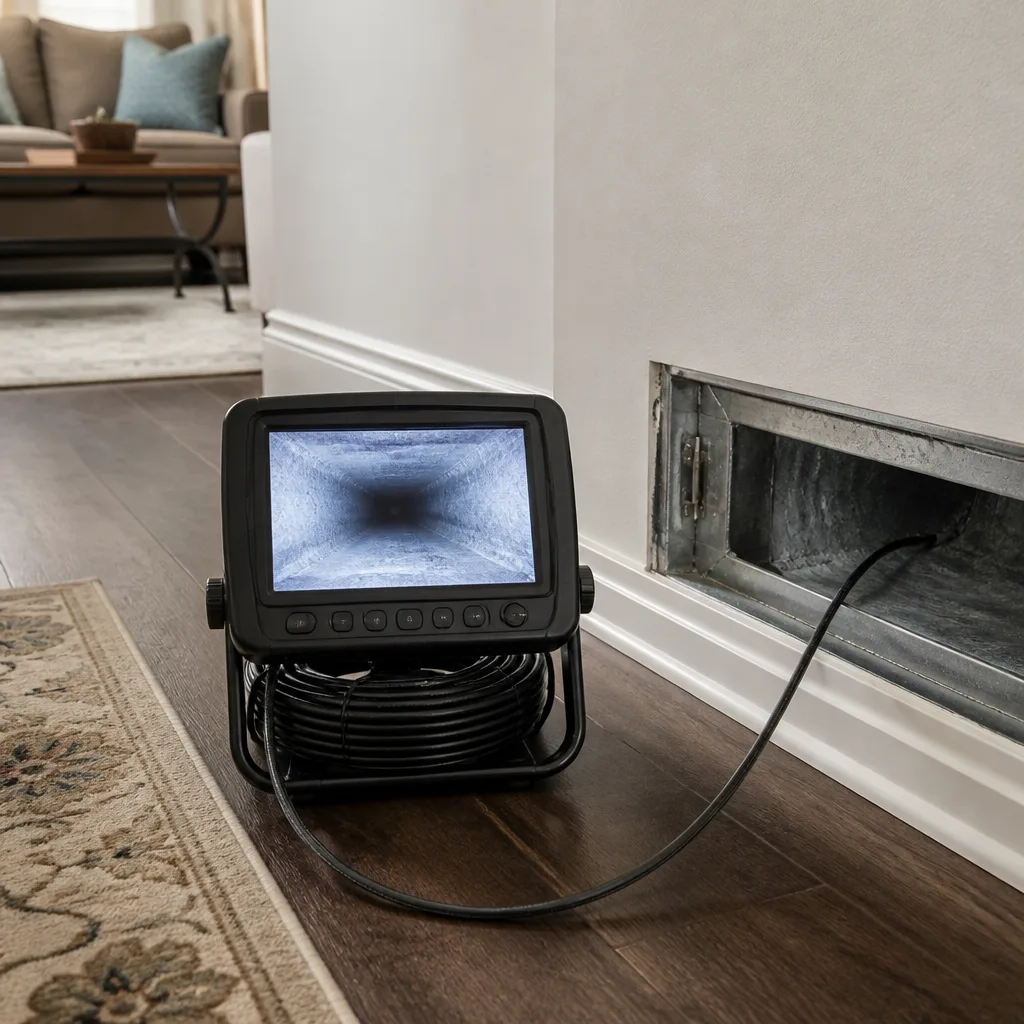 Camera inspection
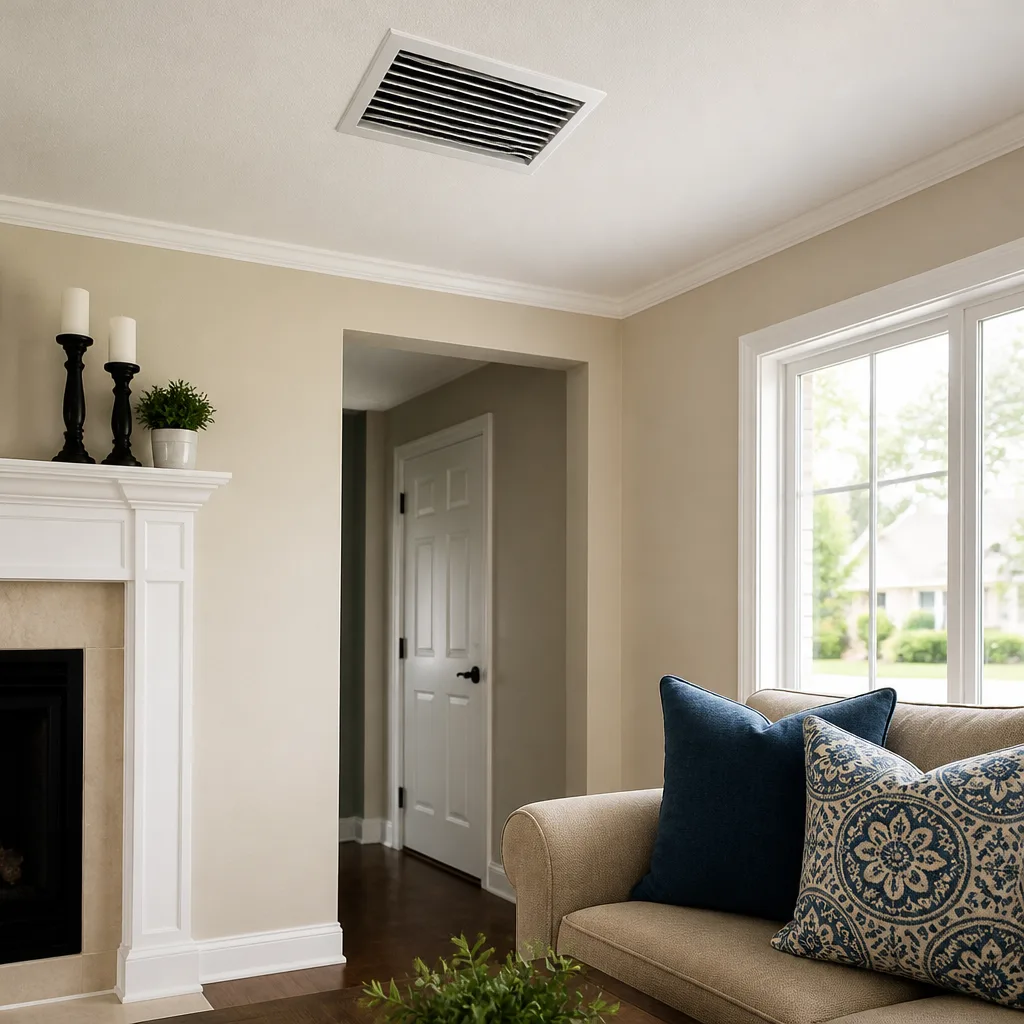 Sanitizing & deodorizing
Whole-system duct and dryer vent check with before-and-after photos - you see exactly what came out of your vents
That "$99 whole-house special" is a bait ad - the real number appears once they are in your hallway, or the "clean" is a shop-vac at the register. We photograph the inside of your ducts before and after instead.
How to Hire an Air Duct Cleaning Contractor in Charlotte: A Step-by-Step Guide
Of all the questions you could ask an air duct cleaning contractor before booking, “Are you NADCA-certified?” is one of the least useful. That’s not because certification is bad. It’s because a certificate tells you a technician passed a knowledge test. It tells you nothing about the machine on the truck, the vacuum’s actual capacity, or whether the crew plans to reach the last branch duct at the far end of your upstairs hall. In Charlotte, where the market mixes genuine remediation-grade contractors with $99 bait-and-switch operators using the same search terms, the equipment and the written scope are what separate them. This guide teaches you what to ask, how to read a quote, and how to structure the visit so you can verify the work instead of taking it on faith.
Quick Answer
To hire an air duct cleaning contractor in Charlotte, vet them on three things: the equipment they bring (a real vacuum source plus mechanical agitation, not just a shop vac), the written scope of work (access points, number of zones, coil inspection, before-and-after photos), and their willingness to explain all of it before you book. Price and star reviews alone will not tell you whether the crew can reach your branch ducts or whether they’ll apply a mold treatment you didn’t need. Ask specific equipment questions, get the scope in writing, and observe the work.
Styles & brands we work with
- Whole-home duct cleaning
- Dryer vent cleaning
- Camera inspection
- Sanitizing & deodorizing
Table of Contents
- The Five Equipment Questions That Separate Pros From Pretenders
- How to Read an Air Duct Cleaning Quote in Charlotte
- Red Flags in Contractor Behavior
- Charlotte’s Licensing Landscape and What It Means for You
- How to Structure the Visit So You Can Verify the Work
- When Duct Cleaning Actually Needs Doing
- Common Mistakes to Avoid
- Frequently Asked Questions
The Five Equipment Questions That Separate Pros From Pretenders
This is the heart of the guide. A duct cleaning crew arrives with two categories of gear: the vacuum source that pulls debris out, and the agitation tool that loosens it so the vacuum can capture it. Ask about both. A contractor who can’t answer these five questions specifically, in plain language, is either new to the trade or using consumer-grade equipment dressed up as professional service.
- What is your negative pressure source? Professional duct cleaning relies on a powerful vacuum connected to the duct system that creates negative pressure, so loosened debris flows toward the collection point instead of into your rooms. Ask whether the vacuum is truck-mounted, trailer-mounted, or a portable HEPA unit. All three can be legitimate; a shop vac cannot.
- What is the CFM rating of that vacuum? CFM (cubic feet per minute) is the airflow the vacuum moves. A true duct-cleaning vacuum runs in the thousands of CFM. If the contractor doesn’t know the number, that’s your answer about whether the equipment is commercial. A rental-grade blower moves a fraction of that.
- What mechanical agitation method do you use? Vacuum alone doesn’t move caked dust off duct walls. Contact cleaning with a rotary brush system, like a Rotobrush, physically scrubs the interior surfaces while the vacuum captures what’s released. Blower-only or compressed-air “cleanings” push dust around without scrubbing it loose.
- What grade of filtration captures the fine particulate? HEPA-rated extraction matters because the finest dust is also the most irritating to allergy sufferers. Nikro HEPA vacuums capture particles that ordinary vacuums exhaust back into your air. Ask what filtration standard the equipment meets.
- What do you do if you find contamination or a compromised duct? Some jobs turn up mold, rodent debris, post-construction particulate, or crushed flex duct. A contractor with remediation-grade equipment, such as Abatement Technologies systems, can handle contaminated conditions in place. A discount crew will either walk away or charge you a surprise add-on.
If you get vague answers to any of these, you’ve learned what you needed without paying for it. Our own crews run Rotobrush contact-cleaning and Nikro HEPA vacuums on every job, and we keep Abatement Technologies gear on hand for jobs that turn out to be bigger than a routine dust removal. That’s the equipment standard you should expect from anyone quoting remediation-level work in Charlotte.
How to Read an Air Duct Cleaning Quote in Charlotte
A legitimate duct cleaning quote describes a scope of work. A bait-and-switch quote describes a price. That’s the entire distinction, and it’s usually visible on the first page.
Here’s what a real quote should spell out before you sign:
- Access points. Where the crew will cut or open into the system to reach the main trunk and branch runs. A thorough job often needs a handful of access points, and they should tell you where those will be. A quote that doesn’t mention access is planning to vacuum through the registers only.
- Number of zones or systems. Most Charlotte homes have one HVAC system, but larger homes and two-story builds often have two or more zones. A flat rate that ignores zone count is a number with no scope behind it.
- Coil inspection. The evaporator coil sits inside the air handler and catches debris that passes the filter. A competent quote includes at least a visual inspection of the coil. If the coil is fouled, cleaning the ducts without addressing it is a waste of money.
- Before-and-after documentation. Photos of your own ducts, taken before and after cleaning. This is the simplest accountability tool in the trade, and any contractor serious about quality will offer it.
- Scope for the blower and air handler. Debris collects at the blower wheel and housing. If the quote doesn’t mention the air handler, ask.
- One price for the whole job. Not a per-vent charge. Not a low teaser that grows once the van is on the drive. One stated price agreed before work starts.
If you also want your dryer vent cleared while a crew is on site, ask whether it’s in the scope. For context on how that visit usually goes, our page on dryer vent cleaning walks through what the process involves.
Red Flags in Contractor Behavior
The equipment questions tell you what’s on the truck. Behavior tells you what happens once it’s parked in your drive. Watch for these:
- They won’t explain the process. A contractor who deflects equipment questions with “we use the best stuff” is hiding something, or doesn’t know. Either way, you learn nothing useful before signing.
- No truck-mounted or trailer-mounted vacuum. Portable units can be legitimate, but a crew that pulls a hardware-store blower out of a hatchback is not doing duct cleaning. It’s doing dust redistribution.
- Pressure to add mold treatment before inspection. Mold treatment is not a default add-on. It’s a response to a condition someone has actually seen. If you’re offered “mold treatment” before anyone has looked inside the system, you’re being up-sold.
- Extreme discounts as the opening pitch. A very low advertised price for whole-house cleaning usually means the crew is counting on add-ons or cutting the job to a vacuum pass over the vents. A legitimate price reflects a real scope of work.
- No willingness to put the scope in writing. Verbal estimates you can’t review are estimates you can’t hold anyone to.
- No before-and-after photos offered. For a process you can’t watch inside the ducts, photos are your only independent record.
We hear from Charlotte homeowners who felt something was off during a visit but couldn’t name why. Usually it’s one of these behaviors, and usually it’s more than one.
Charlotte’s Licensing Landscape and What It Means for You
Here’s a fact that surprises a lot of people: duct cleaning in North Carolina does not have a dedicated licensing requirement the way electrical or plumbing work does. That means the barrier to entry for calling yourself a duct cleaning contractor in Charlotte is low. The diligence burden shifts to you, and it shifts toward the things credentials can’t tell you: equipment, process, and specificity.
So what should you actually verify before booking? Here’s a practical list:
- General business standing. Confirm the company is a registered entity and carries general liability insurance. Ask for a certificate of insurance. A legitimate contractor will send one without fuss.
- Trade membership. Membership in a trade organization like NADCA is a useful positive signal of professional commitment. It’s not a substitute for equipment questions; treat it as one data point, not the whole vetting process.
- Equipment specifics. This is where most of the risk lives. Ask the five equipment questions above. A contractor who can answer them specifically is telling you something real about their operation.
- Written scope. Get the access points, zone count, coil inspection, and documentation terms in writing. What’s in the scope is what you’re buying.
- Reviews with detail. Look for reviews that name the process, describe the equipment, or mention the after-cleaning photos. A wall of five-star ratings with no detail tells you very little.
For homeowners near the south Charlotte communities, the same standard applies. Whether you’re hiring in Ballantyne, Matthews, Mint Hill, or up in Huntersville, the licensing landscape is the same statewide. Diligence is on you. A contractor who welcomes detailed questions is showing you their work before you’ve paid for it.
How to Structure the Visit So You Can Verify the Work
The single biggest mistake homeowners make is booking a job and disappearing to another room. You don’t need to hover, but you should set up the visit so the work is observable. Here’s how to structure it:
- Ask what the crew plans to do, and in what order, before they start. A two-minute conversation on the driveway tells you whether they have a plan or are improvising.
- Be present for the setup. Watch them connect the vacuum and cut the access points. You don’t need to supervise, but seeing which equipment actually comes off the truck answers your five questions without another word.
- Ask to walk the access points when the job is done. Look at the openings yourself. They’ll also show you what was pulled out, and the before-and-after photos should be ready.
- Ask how the access points get sealed. Any opening cut into your ductwork has to be closed properly. A crew that seals access points with tape or a loose patch and no final check is a crew cutting corners.
- Get the documentation at the end of the visit, not later by email. Photos taken during the job should be ready when they wrap up. “We’ll send those to you” from a discount service often means never.
For the record, if a crew cuts a damaged section or finds a crushed flex duct run, what happens next matters. Some companies hand the problem off to a second contractor. We repair what we find, and our air duct cleaning service covers the repair work alongside the cleaning itself.
During a Charlotte summer, ducts running through a garage or attic can also collect condensation-related issues, and it’s worth asking a contractor about what they see during the visit. If you’re outside the city limits and closer to Locust, the same diligence applies. Ask the same questions, request the same written scope.
When Duct Cleaning Actually Needs Doing
Air duct cleaning is not an annual maintenance item for every home. It’s a response to a condition. Some honest triggers:
- Visible debris at the registers. If you can see dust, pet hair, or small debris on the vent grates or inside the register boot, the ducts themselves are likely fouled.
- Construction or renovation nearby. Drywall dust, sawdust, and construction particulate end up inside ductwork when renovation work happens in a home. Post-construction cleaning is a genuine need, and it’s a job for remediation-grade equipment, not a blower.
- New home, unknown history. You don’t know what the previous occupants did or when the last cleaning happened. A documented cleaning gives you a baseline.
- Allergy or respiratory complaints in the household. We don’t make health claims, but if a family member reacts to what’s circulating, cleaning plus a filter upgrade is a reasonable first step. We work with Honeywell and Aprilaire filtration products to close filtration gaps a cleaning visit can’t fix alone.
- Pest activity in the ducts. Rodent or insect activity in ductwork is not a routine cleaning job. It’s a job for equipment built for remediation work.
- The system moves less air than it used to. Sometimes the cause is cleaning, sometimes it’s a crushed duct, sometimes both. It’s worth finding out.
If a contractor tells you your ducts need cleaning every year without asking a single question about your home, you’re being sold a schedule, not a service. Charlotte homes with pets and heavy pollen seasons may need a visit sooner than others, but ask about your specific conditions, not a calendar.
To understand more about how we approach the work, head over to Stratford Air Duct Cleaning and read what the full visit covers.
Common Mistakes to Avoid
- Hiring on price alone. A quote that’s far below every other quote is either a different scope or a different quality of work. Ask what’s included before you ask what it costs.
- Accepting a flat rate with no written scope. A number with no access points, zone count, or coil inspection attached is not a quote. It’s a starting point for a bigger bill.
- Not asking about the vacuum source. The machine on the truck is the single most reliable indicator of the quality of the job you’ll get. Ask about it.
- Skipping the coil inspection. Cleaning ducts while ignoring a fouled evaporator coil wastes the cleaning. Ask for the coil inspection up front.
- Letting the crew add mold treatment without an inspection. If you’re offered mold treatment before anyone has looked inside the system, decline and ask for an inspection first.
- Not requesting before-and-after photos. In Charlotte, where the same truck can quote two very different services depending on who answers the phone, documentation is your accountability.
- Forgetting the dryer vent. A dryer vent blocked with lint is a leading cause of residential fires, and it’s easy to skip because it’s not part of the HVAC system. Ask about it during the same visit.
See the difference
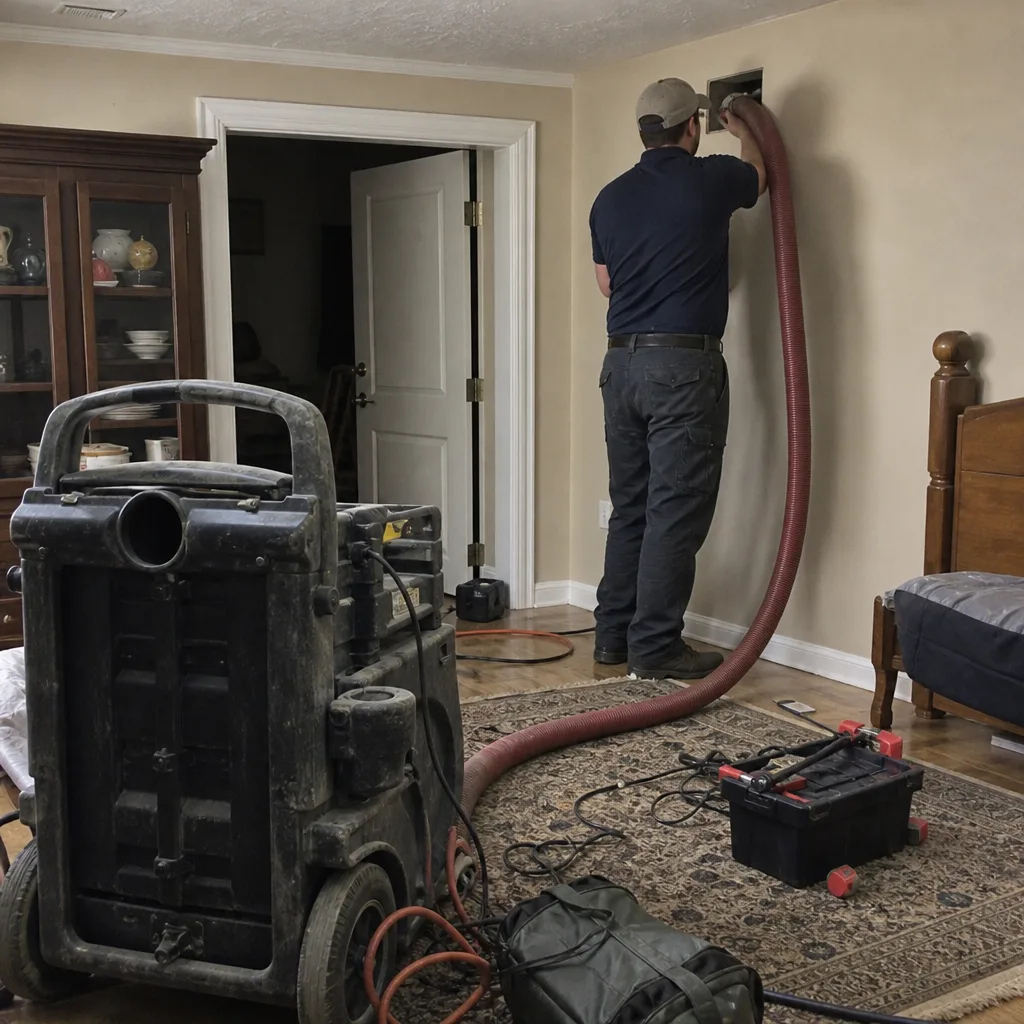 Before
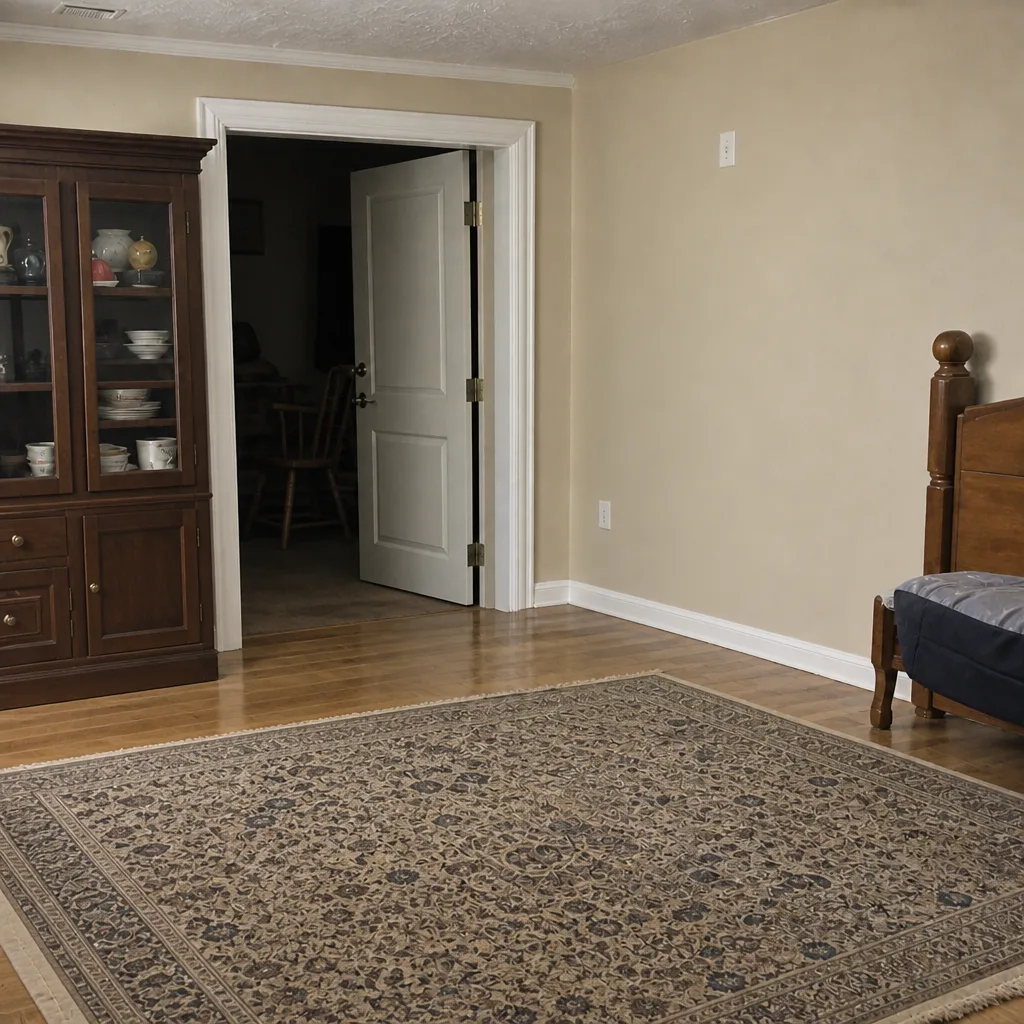 After
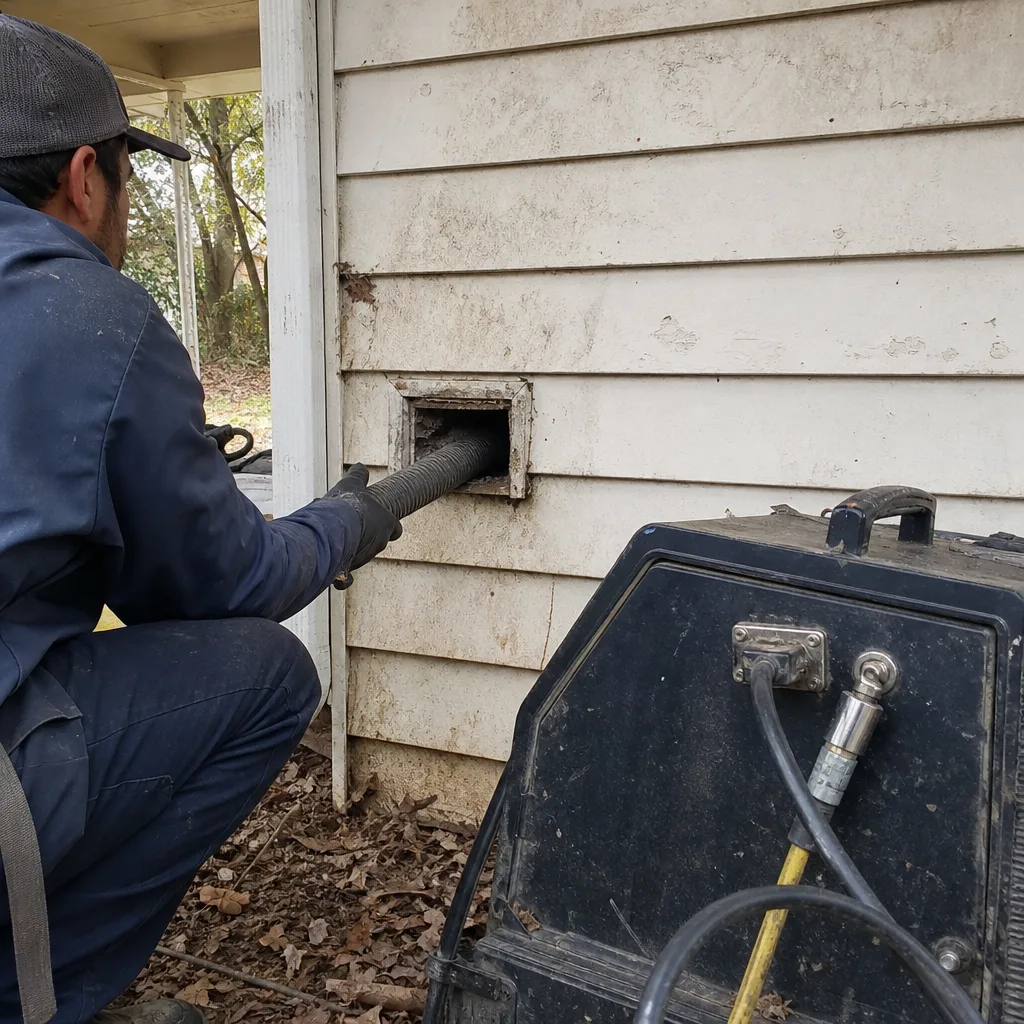 Before
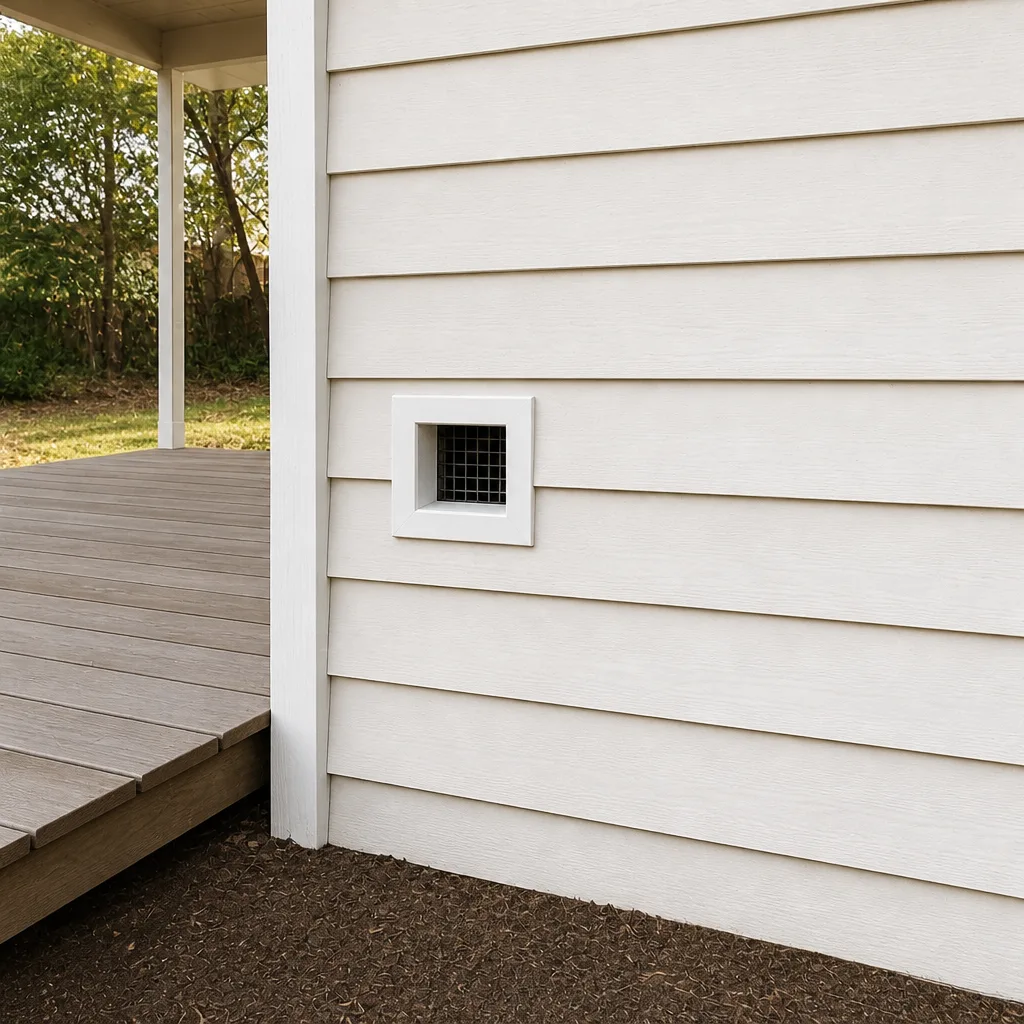 After
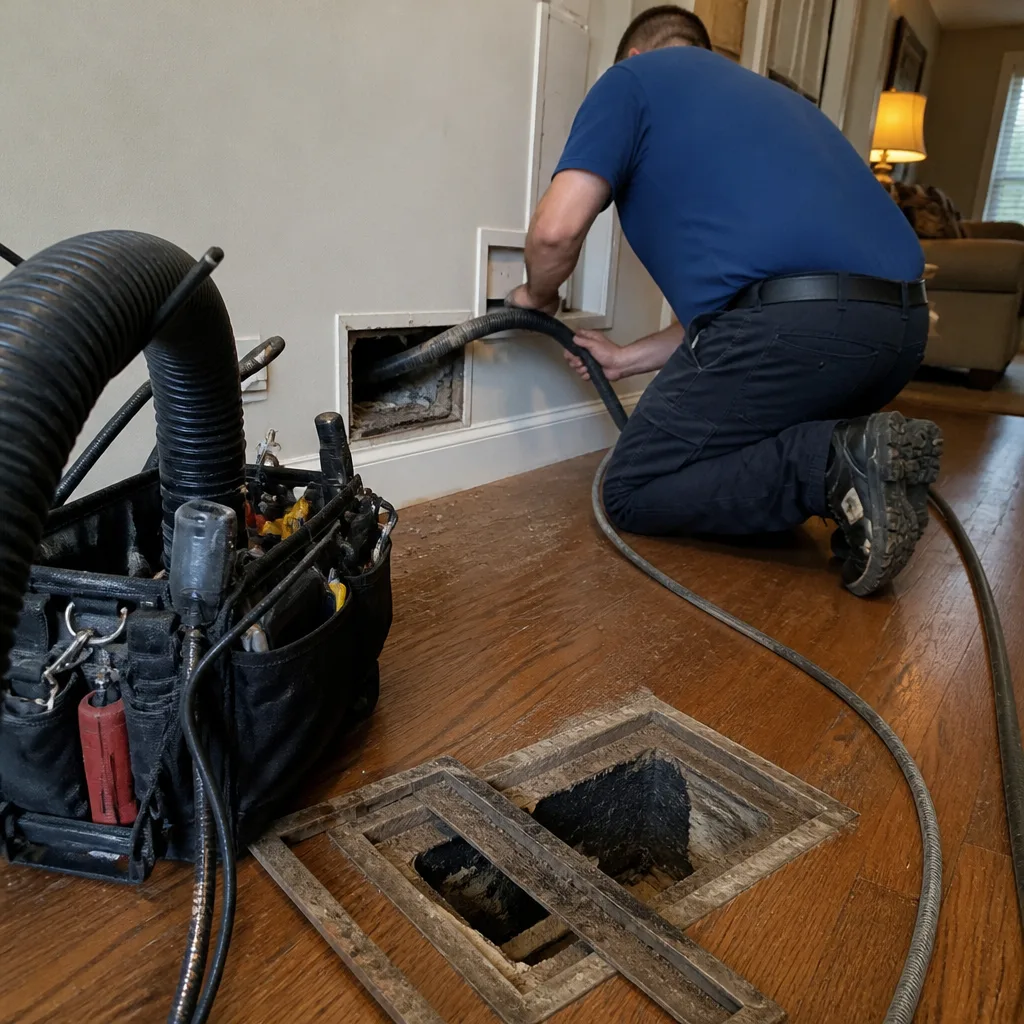 Before
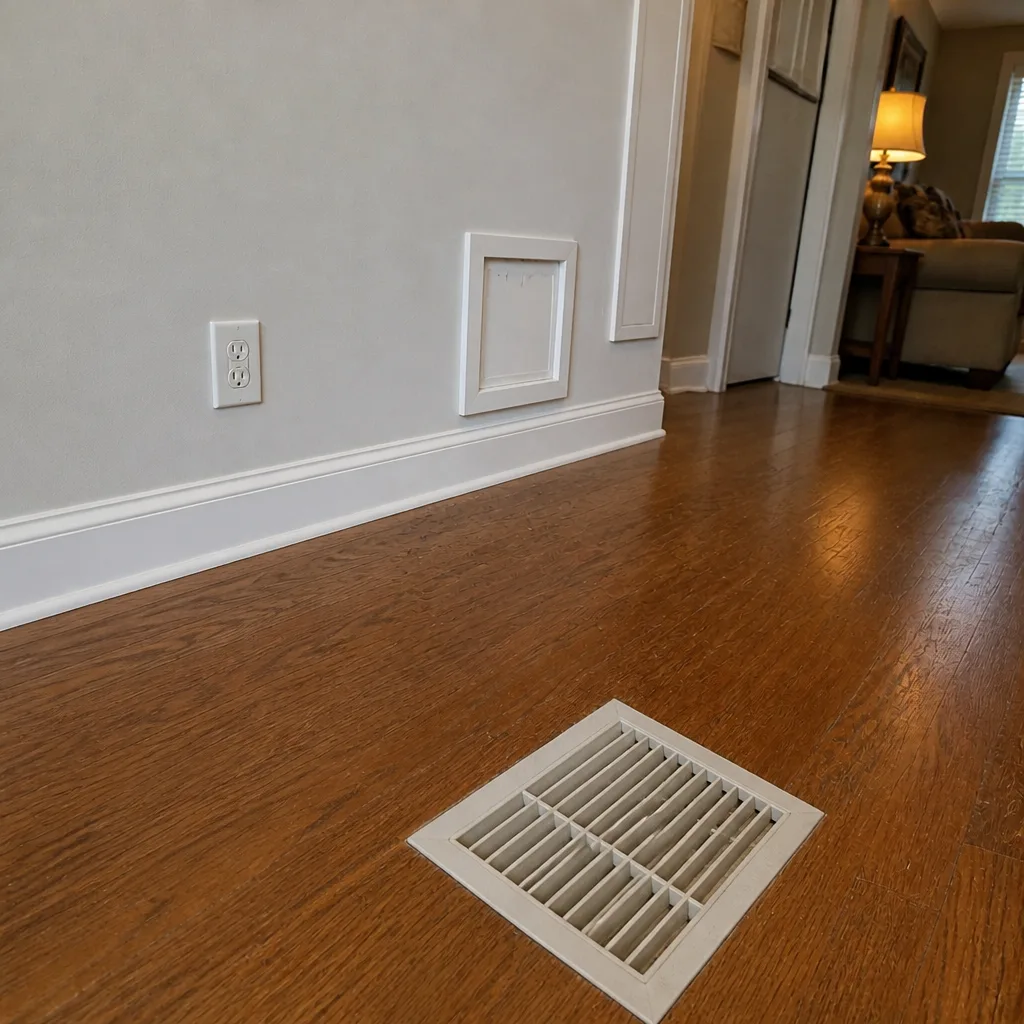 After
When to Call a Professional
Some conditions clearly need a trained crew. Heavy debris visible in the ducts, pest activity, mold growth, post-construction dust, a drier taking longer to dry clothes, or a system not moving air as it should all point to a professional visit. So does wanting a documented baseline for a home you’ve just moved into. In these cases, a consumer-grade vacuum and a weekend’s effort won’t reach the problem.
Stratford Air Duct Cleaning offers free estimates in Charlotte. Call (833) 962-6967. We answer 24/7. Fast dispatch from 7am to 7pm, Sunday through Friday. We’ll walk the system with you, answer the five equipment questions, and put the scope in writing before any work begins. Our crews use Rotobrush contact cleaning and Nikro HEPA extraction, and we keep Abatement Technologies equipment for contaminated conditions.
Frequently Asked Questions
A legitimate company can answer specific equipment questions: negative pressure source, CFM rating, mechanical agitation method, filtration grade, and their plan for contaminated conditions. They put the scope of work in writing, offer before-and-after photos of your own ducts, and don’t upsell mold treatment before inspecting anything. Certifications and reviews help, but they don’t tell you what machine is on the truck. If you’re not sure, call (833) 962-6967 and we’ll walk you through what to ask any contractor, including us.
Pricing depends on the number of systems or zones, access points, coil condition, and whether repair work is required. There’s no honest flat number that fits every home. The right approach is a free written estimate after a short conversation about your specific system. If you’re quoted a very low teaser price for whole-house cleaning, ask exactly what’s included in the scope. That question alone will tell you a lot. Call (833) 962-6967 for an exact quote, free of charge.
Usually because the scope is different. A low quote often covers vacuum-only cleaning through the registers, no branch duct access, no coil inspection, and no documentation. A higher quote covers proper access cutting, mechanical agitation, HEPA extraction, and repair capability if needed. Same search term, different service. Ask for the written scope and compare line by line, not price to price.
Ask for before-and-after photos of your own ductwork, walk the access points yourself, and ask how the openings were sealed. A crew that takes documentation seriously will produce it during the visit, not weeks later if you remember to ask. If they offer no photos, ask why. Call (833) 962-6967 with any questions about what to look for on your own system.
Not automatically. Duct cleaning responds to a condition: visible debris, recent renovation, pest activity, mold, or a home with an unknown history. If your system moves air properly and there’s been no renovation or pest issue, you can often wait. A free estimate will help you decide whether cleaning is worth doing in your home. Call (833) 962-6967 to talk it through.
Duct cleaning removes accumulated debris from inside the system. Duct sealing closes leaks in the joints and connections to improve efficiency. They’re different jobs, and fixing a crushed or poorly connected duct run sometimes calls for both. If a contractor finds a damaged section during cleaning, a full-service crew repairs it in-house rather than referring you out. That’s how we handle it at Stratford.
The Bottom Line
Hiring a duct cleaning contractor in Charlotte comes down to equipment, scope, and verification. Ask the five equipment questions: negative pressure source, CFM rating, agitation method, filtration grade, and contamination plan. Get the scope in writing. Confirm access points, zone count, coil inspection, and before-and-after photos. Be present for setup, walk the access points at the end, and don’t accept mold treatment you weren’t inspected for. Price and certifications matter, but they don’t answer the questions that determine whether the job actually gets done. A contractor who welcomes the questions is showing you what kind of work you’ll get.
Contact
Ready to see the full duct-health visit for yourself? We clean, clear dryer vents, and repair ductwork as part of one visit, with no patching you through to a second contractor. Our crews use equipment built for remediation work: Rotobrush contact cleaning, Nikro HEPA extraction, and Abatement Technologies for contaminated conditions. We work with Honeywell and Aprilaire filtration products to close gaps a cleaning alone can’t fix.
Call (833) 962-6967 for a free estimate. We answer 24/7. Fast dispatch from 7am to 7pm, Sunday through Friday. One flat price per system, agreed before work starts, and before-and-after photos of your own ducts when the job is done.
Written by the team at Stratford Air Duct Cleaning, serving Charlotte since 2017.